
PhoneBot humanoid robot uses old Android phones for control
UCLA’s PhoneBot uses an Android smartphone for computing and sensing, with a reported $400 build cost and a walking controller trained in simulation.
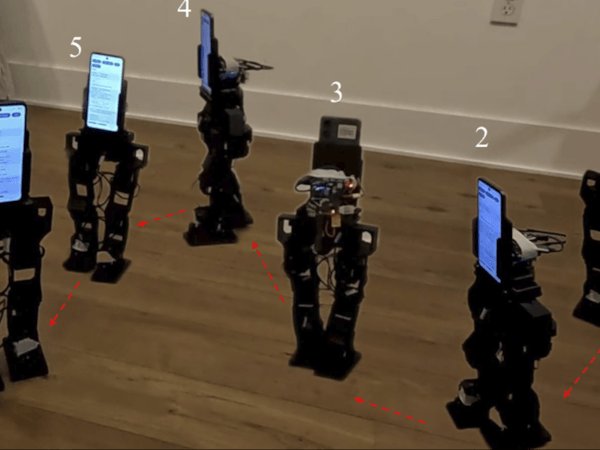
UCLA’s PhoneBot uses an Android smartphone for computing and sensing, with a reported $400 build cost and a walking controller trained in simulation.
Dyna reports daily napkin and towel handling at paying customers, while Dyna 2.1 targets complete workflows that demand more than single task reliability.
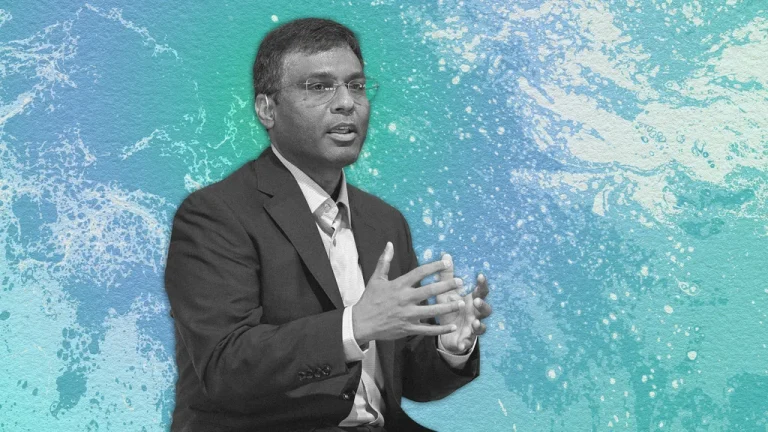
Former Amazon AI executive Rohit Prasad will lead Boston Dynamics as owner Hyundai plans a factory capable of producing 30,000 robots annually by 2028.
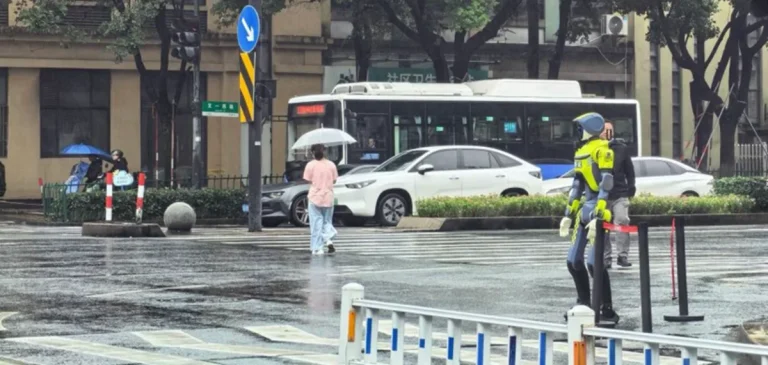
Deep Robotics says its DR02 humanoids handled traffic guidance and tourist queries in rainy Hangzhou trials, but provides no measured performance results.
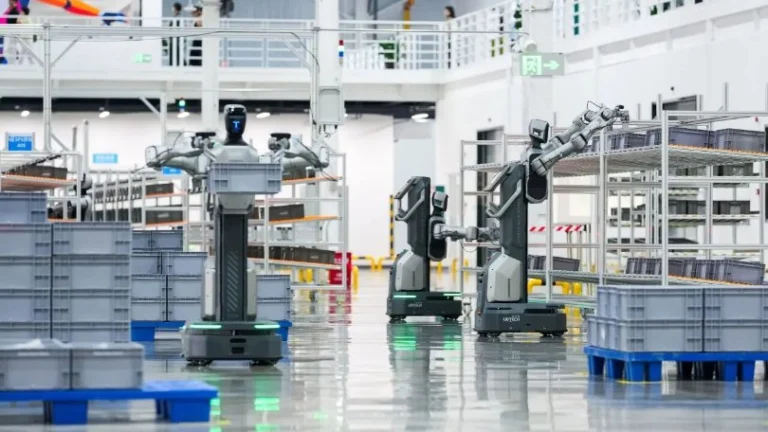
UBTECH and FAW-Volkswagen will develop and test robots for factory logistics, with demonstration scenarios planned to support humanoid manufacturing use.

A video analysis argues Tesla’s reported Optimus production ramp could support a physical AI training fleet, while a 5,000 robot reveal remains speculation.
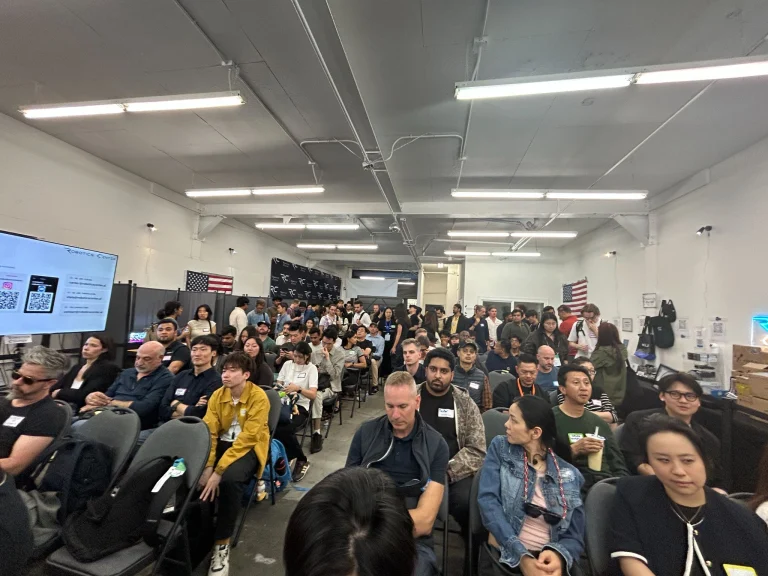
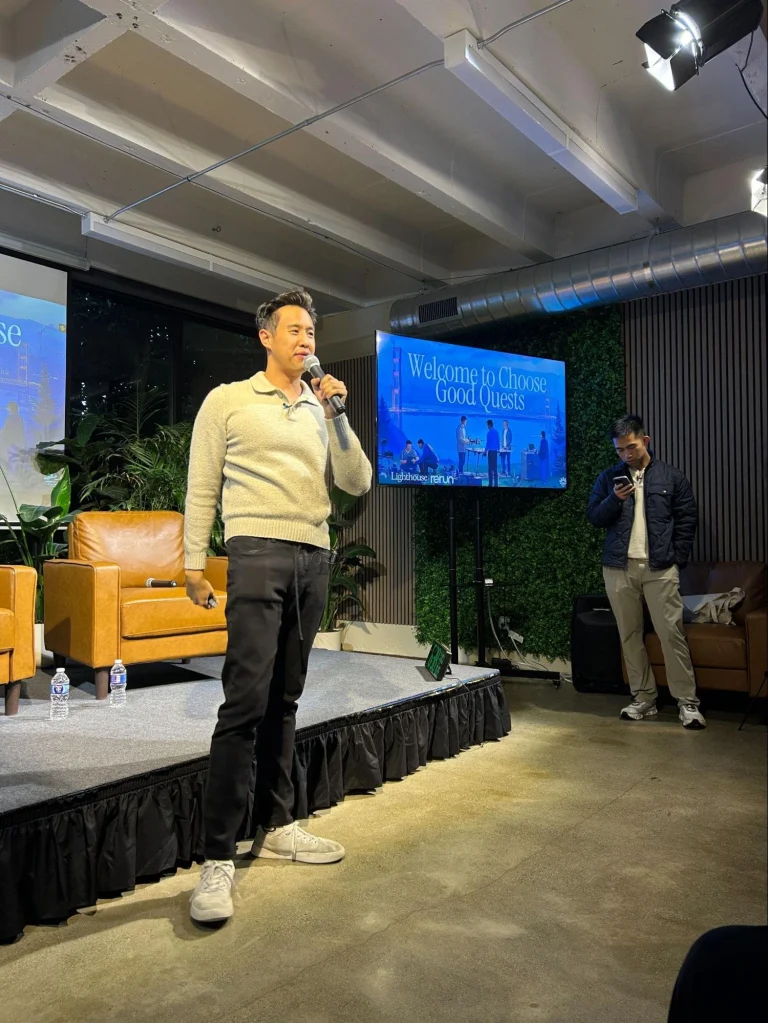
Physical AI Operators’ second event filled the Robotics Center garage in San Francisco, where AgiBot, Astera Robotics and Veesion named data as the bottleneck for physical AI.
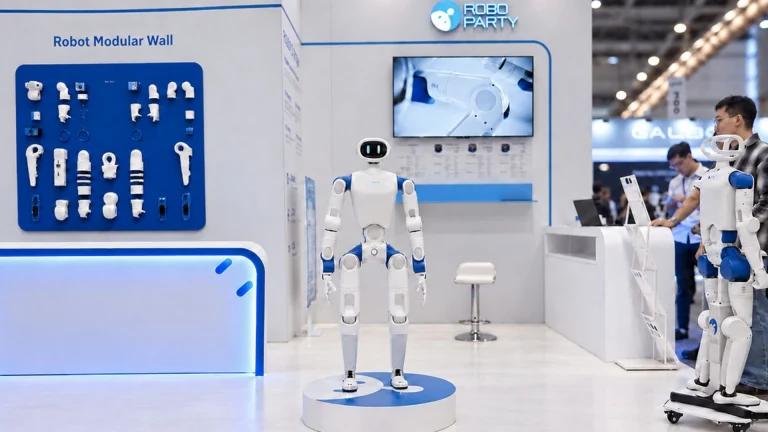
RoboParty demonstrated RP1’s balance recovery at IROS and outlined hardware and software releases, though its full stack open source rollout remains pending.
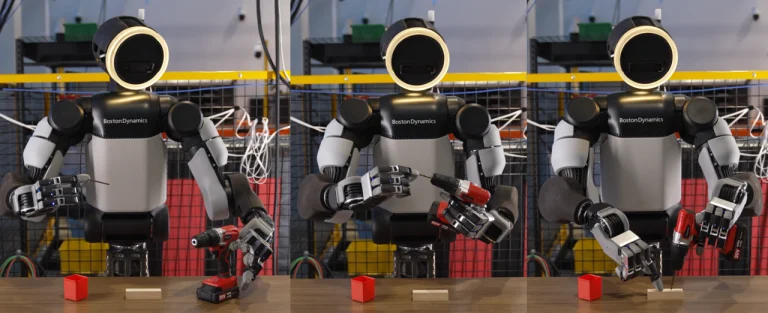
Atlas gains a 13-DOF hand with tactile sensing, designed to balance dexterity with the cost, durability and maintenance demands of factory work.
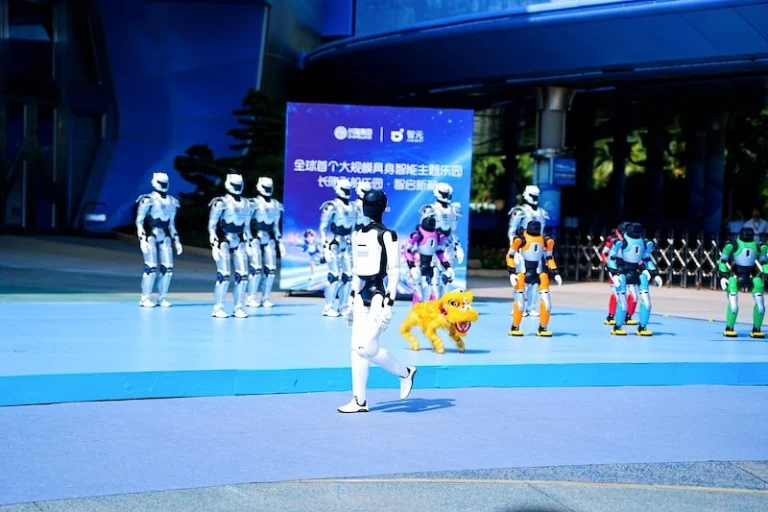
IDC figures put Agibot at more than 8,600 humanoid shipments in the first half of 2026, about 35 percent of a market nearing 25,000 units.


