
Optimus V3 analysis probes Tesla’s unfinished robot ramp
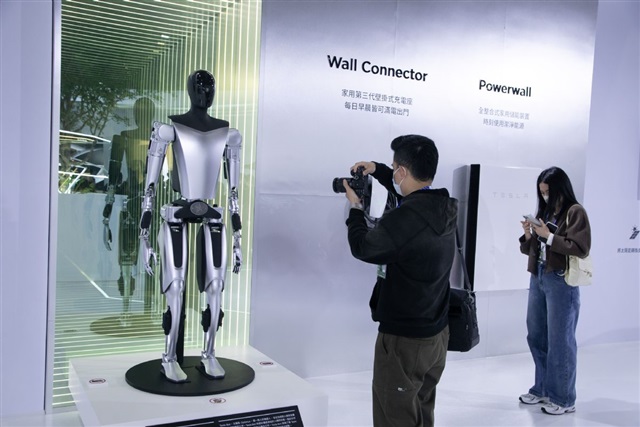
Tesla is reportedly building hundreds of Optimus robots each week despite unresolved hand and AI development, according to a YouTube analysis by Dr. Know-it-all Knows it all. The video examines whether an early Optimus V3 fleet could serve as development infrastructure rather than inventory ready for factory work. It also explores a much more speculative proposition: a reveal featuring roughly 5,000 robots.
Published on October 5, the video builds on an article by Scott Walter. The presenter explicitly describes Walter’s proposed mass reveal as speculation, not information from Tesla. No confirmed event, venue or demonstration plan is established in the supplied material.
A production ramp with unfinished hardware
The presenter cites reporting from The Information that Tesla is producing several hundred robots weekly, with an ambition to exceed 1,000 per week by the end of the year. He also references reports of component orders covering roughly 5,000 robots. These are secondhand claims in the video, not production figures independently verified here.
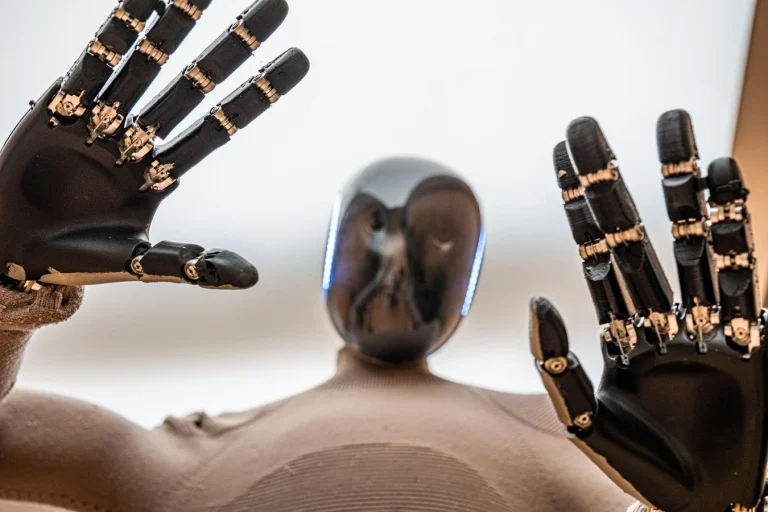
The same account describes difficulties with the robot’s hands and AI, alongside hand assembly, supplier constraints and production equipment problems. The presenter says the Optimus V3 reveal has been delayed repeatedly, leaving a gap between reported manufacturing activity and publicly demonstrated capability.
Walter’s explanation is that Tesla could develop manufacturing capacity while continuing to refine the robot. Larger builds could expose inconsistent components, assembly problems and failure modes that small prototype fleets would miss. That is a plausible engineering rationale, but it does not establish that the reported production volume has been achieved or that the resulting robots can perform useful work autonomously.
A training fleet, not necessarily a working fleet
The video’s more substantive argument concerns robot learning. Thousands of machines could provide physical experience for policy evaluation, manipulation attempts and reliability testing, complementing simulation rather than replacing it.
According to the presenter’s account of The Information’s reporting, Tesla has accumulated more than 500,000 hours of Optimus training data and wants to double that total by year’s end. The video also describes Tesla job postings covering walking, balancing, disturbance recovery and manipulation, using large scale simulation, hardware evaluation and deployment to a robot fleet. Those details support a focus on learning infrastructure, but do not prove the proposed fleet strategy.
A large physical training fleet would also create operating demands of its own: charging, maintenance, human supervision and tracking component failures. Building many robots can generate more opportunities to test policies, but unit count alone is not evidence of manipulation quality, robustness or autonomy.
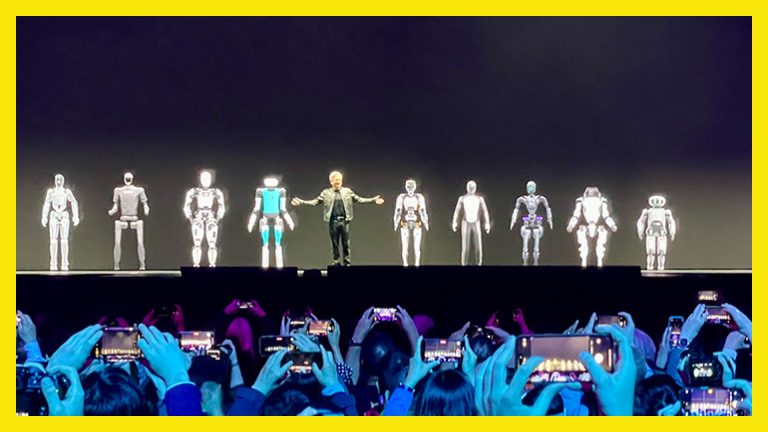
The proposed 5,000 robot reveal is a separate conjecture. Walter argues that manufacturing scale could become the spectacle, with a convention center providing room for staging and charging. The video offers no evidence that Tesla has booked such a venue.
For operators, a mass formation would demonstrate something different from a productive deployment. The relevant test remains whether the robots can perform manipulation tasks reliably, and how much human assistance that work requires.