Welcome, Centaur G1!
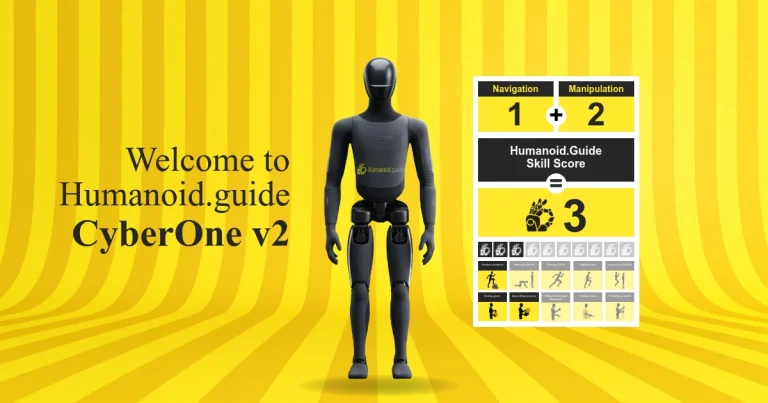
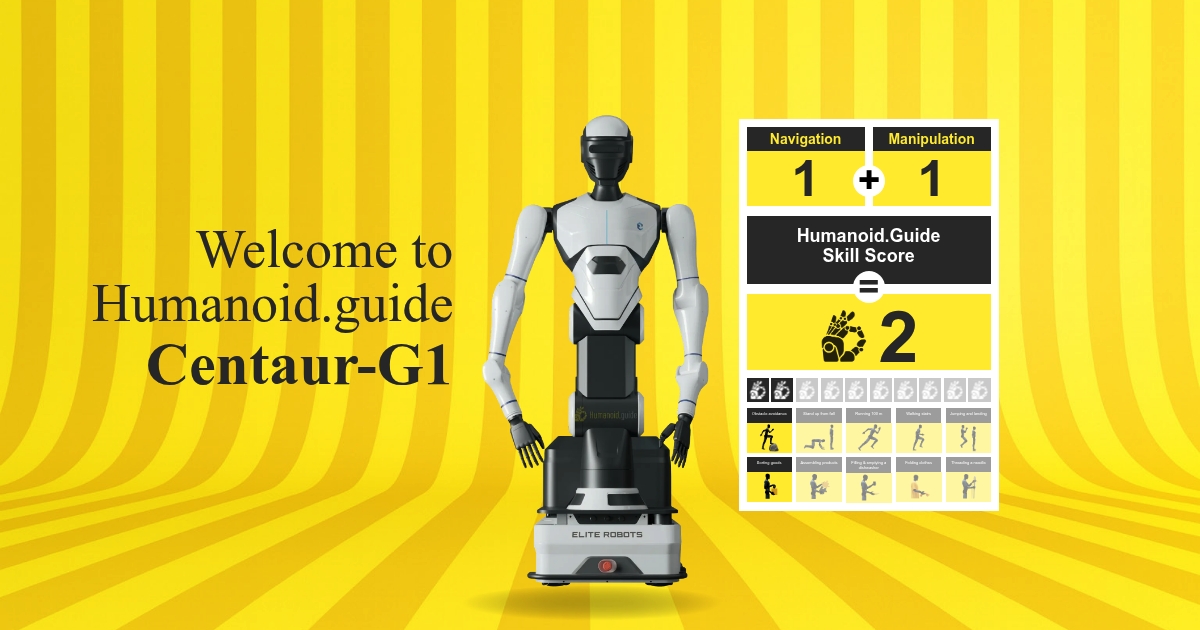
Centaur G1 is a wheeled humanoid from Elite Robots designed for precision manufacturing environments. Its physical architecture combines two articulated arms with a mobile base, bringing manipulation and navigation into a single platform. The robot stands 150 cm tall, weighs 260 kg, and has 20 degrees of freedom across its structure. Each arm provides seven degrees of freedom, with stated repeatability of ±0.1 mm. Two finger grippers provide the contact interface for handling goods, while six axis force sensing supports compliant control. Mecanum wheels provide mobility, with a listed maximum speed of 5.4 km/h and runtime of four hours per charge. Its demonstrated capability profile includes obstacle avoidance and sorting goods. A total skill score of 2 out of 10 places it at an early stage, with Navigation and Manipulation each rated 1 out of 5. These ratings distinguish its preliminary capability assessment from its detailed hardware specifications, which include integrated joint modules derived from Elite Robots’ collaborative robot technology.
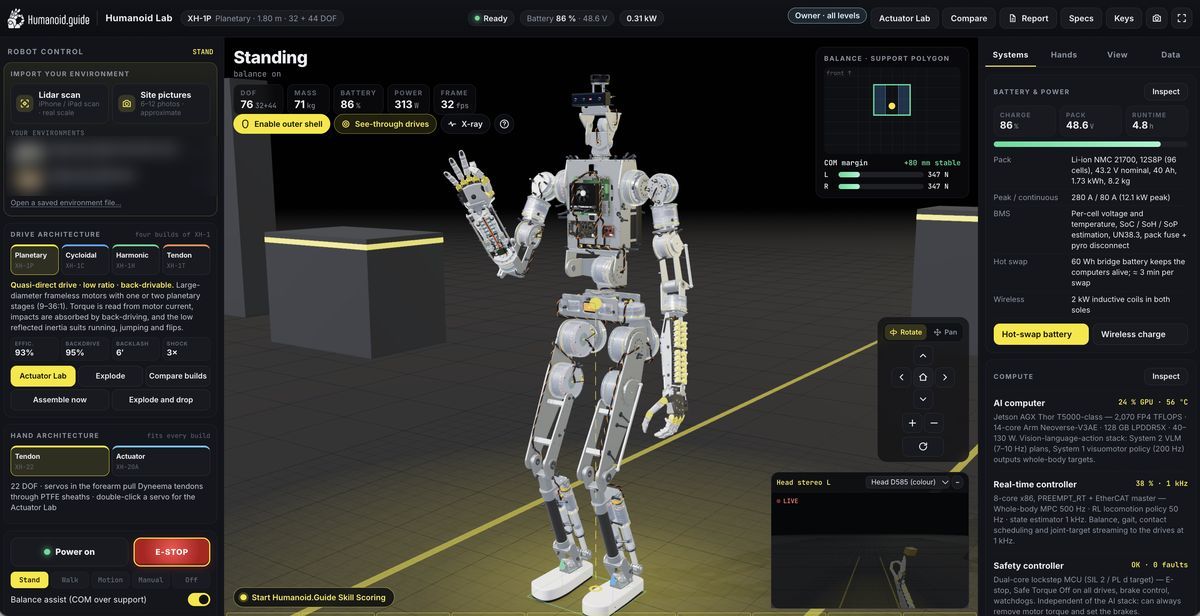
Obstacle avoidance and sorting goods are the central capabilities for evaluating this platform. Its sensing arrangement includes an Orbbec Gemini 335Lg RGB D camera in the head and Intel RealSense D405 close range stereo cameras at the wrists. This combination provides environmental and nearby object information relevant to navigation and sorting. SLAM navigation supports the wheeled base, while onboard compute is specified at 275 TOPS. The control stack supports ROS 2 and includes an Elite Control Interface with whole body forward and inverse kinematics. Elite’s Primo embodied AI platform adds natural language instructions, a spatial intelligence model, and a vision language action approach incorporating force feedback. These technical elements support a mobile sorting architecture without changing its preliminary skill rating.
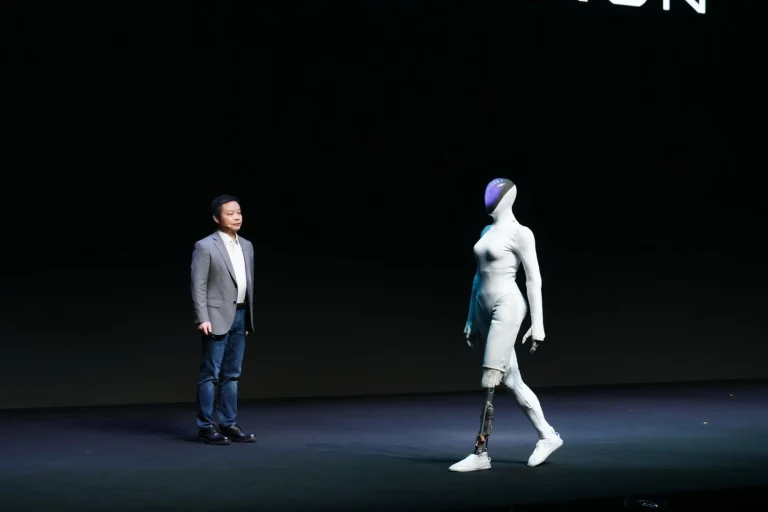
Centaur G1 is listed as in production, with a published price of USD 48,000. Elite Robots, a Chinese collaborative robot manufacturer founded in 2016, launched the platform in Hangzhou on May 21, 2026. Its stated commercial focus includes precision manufacturing, particularly optical module and AI infrastructure production. For those environments, obstacle avoidance and goods sorting offer a concrete starting point for assessing practical relevance. The broader significance lies in combining an established collaborative arm design approach with wheeled mobility and an embodied AI control platform. Buyers should distinguish the platform’s intended market positioning from its current capability ratings: its industrial specifications describe the hardware, while its score reflects an early stage assessment of navigation and manipulation.