Welcome, DH-5-6!
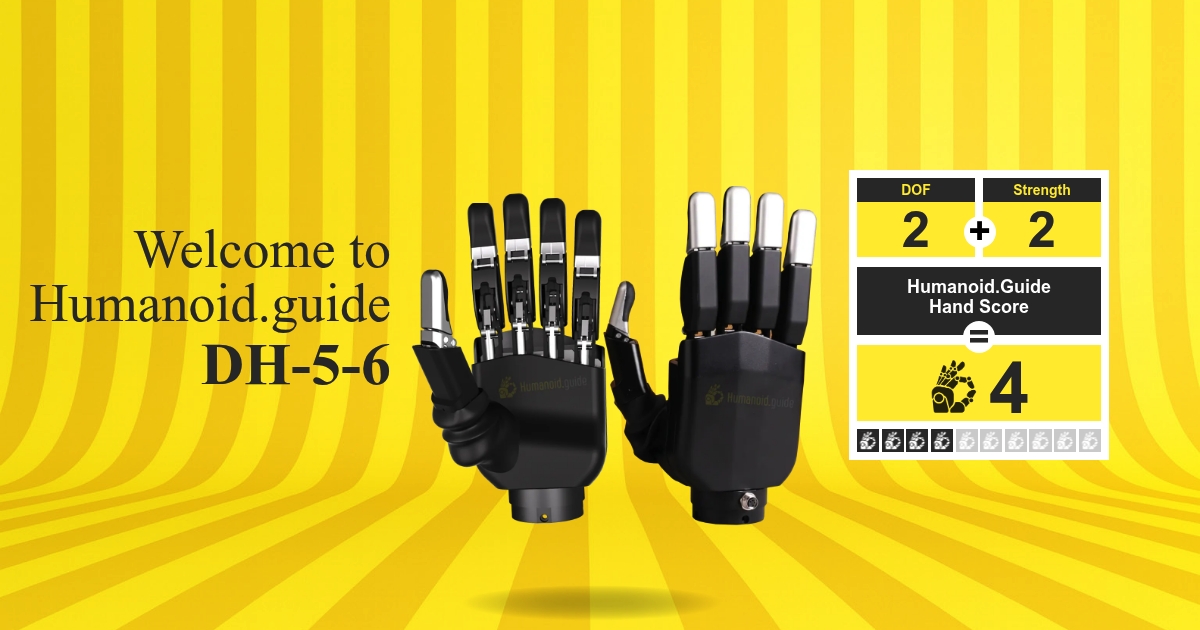
The DH Robotics dexterous hand carries an overall Humanoid.Guide Hand Score of 4 out of 10, placing it in the developing range rather than the mature or leading performance categories. Its assessment combines a Degrees of Freedom rating of 2 out of 5 with a Strength rating of 2 out of 5. These are category ratings, not physical measurements or counts of joints, and they should be read as comparative indicators of dexterity and gripping performance. The balanced subscores give neither category a clear lead within this assessment. For prospective buyers, that makes the hand a candidate for application specific evaluation rather than an automatic choice for demanding manipulation requirements. Its positioning is particularly relevant when comparing the relative importance of movement flexibility and grip strength in a purchasing decision. A useful assessment should distinguish the overall score from the requirements of a particular task, since an aggregate rating cannot establish whether a hand will meet every operational constraint.
Dexterity and strength deserve separate attention when evaluating a robotic hand. A Degrees of Freedom rating addresses one aspect of manipulation, while a Strength rating addresses another; neither substitutes for a complete assessment of task suitability. Here, both categories receive 2 out of 5, supporting a measured interpretation of the overall result. For any proposed application, evaluation should begin with the objects involved, the required movements, and the consequences of an unsuccessful grip. Those considerations help establish what performance must be demonstrated before integration. Comparative testing should use consistent conditions across candidate hands, with acceptance criteria defined in advance. This keeps the purchasing decision grounded in application requirements rather than treating a single composite score as a guarantee of performance.
The hand is in production and comes from Shenzhen DH Robotics Technology Co., Ltd., a Chinese manufacturer with a background in electric robot grippers. Its listed price is USD 4,000, with an inquiry option for prospective customers. Commercial evaluation should therefore include confirmation of the quoted configuration, delivery arrangements, and support terms before purchase. The manufacturer also emphasizes maintenance and dependable delivery as design priorities. More broadly, this product illustrates the expansion of established gripper suppliers into dexterous robotic hands. Its developing score provides a useful point of comparison within that market, while production availability makes procurement considerations relevant alongside technical assessment. Buyers should weigh price, integration requirements, and demonstrated task performance together.