
Spirit v1.5
$ 0
Spirit v1.5 is Spirit AI’s open-source robot foundation model. It learns from varied, real-world data and ranked first on the RoboChallenge real-robot benchmark.
Showing 81–96 of 96 results
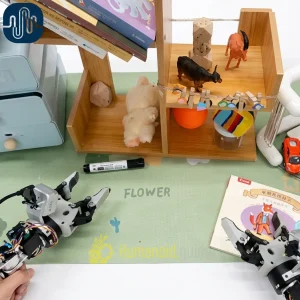
Spirit v1.5 is Spirit AI’s open-source robot foundation model. It learns from varied, real-world data and ranked first on the RoboChallenge real-robot benchmark.
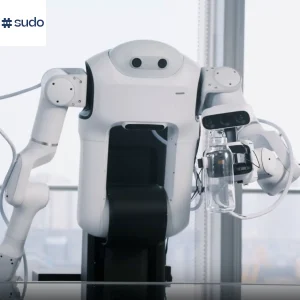

Sudo R1 is a simulation-trained embodied AI model that links vision, language, and action. It enables robots to perform flexible, real-world tasks without relying on extensive real-world training data.
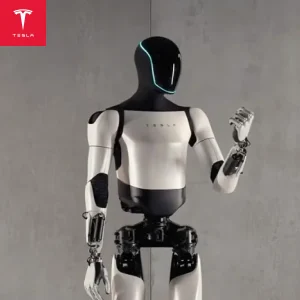

Adapted from Tesla’s autonomous-driving AI for humanoid manipulation and navigation; fully proprietary, not published
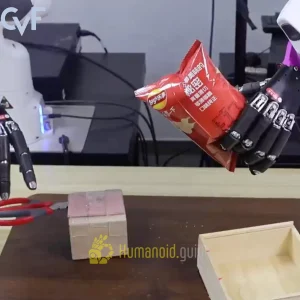

UniDex is an open foundation suite for dexterous robot hands from Tsinghua University. It lets one AI model control many different robot hands and learns largely from videos of human hands.
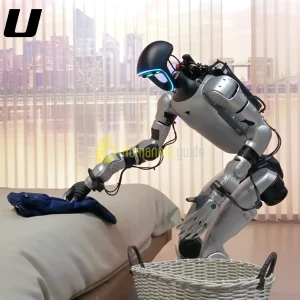

UnifoLM-OminiA-0.3 is a single AI model from Unitree Robotics that lets its G1 humanoid robot see, hear, reason, and move using one unified system. It focuses on home-care and wellness tasks, such as tidying rooms and assisting around a bed, without needing separate programs for each skill.
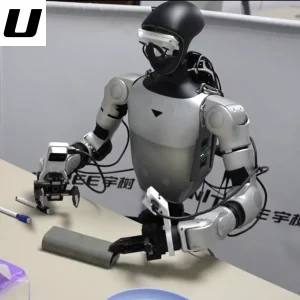
Open-source VLA for general-purpose humanoid manipulation; built on Qwen2.5-VL and Isaac-GR00T
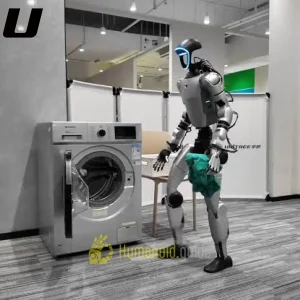

UnifoLM-WLA-1.0 is Unitree’s open foundation model for humanoid robots. One set of weights runs 64 tabletop and whole-body tasks on the Unitree G1.
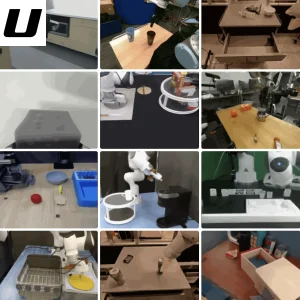
Open-source world model-action architecture for general-purpose robot learning; includes simulation engine and policy head
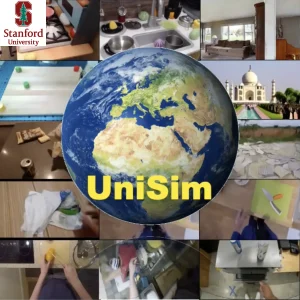

Universal simulator trained on diverse interaction data; generates realistic robot action consequences for policy learning
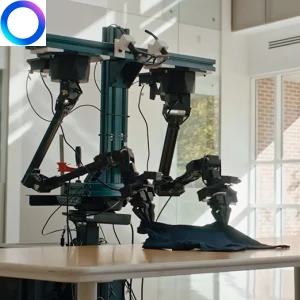

Video Joint Embedding Predictive Architecture; predicts future video representations for robot action planning from passive video
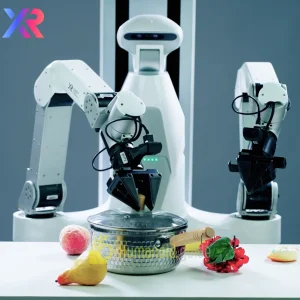

Wall-B is X Square Robot’s AI model for home robots. It combines vision, language, action and physical prediction to help robots handle new, unpredictable household tasks.
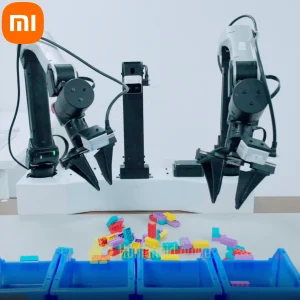

Xiaomi-Robotics-0 is Xiaomi’s open-source robot foundation model. It turns vision and language into smooth, real-time robot actions and handles two-handed tasks such as folding towels.
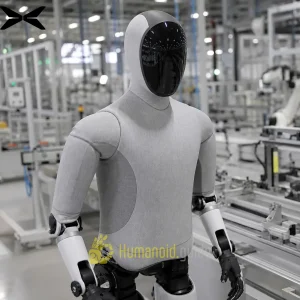

XPENG VLA 2.0 is XPENG’s physical-world AI model. It turns vision directly into action and powers the company’s cars, robotaxis and IRON humanoid robot.
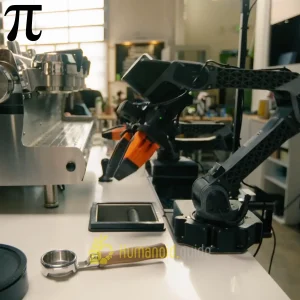

π*0.6 is Physical Intelligence’s robot foundation model that learns from real-world practice. It improves through human corrections and its own experience, which makes everyday tasks faster and more reliable.
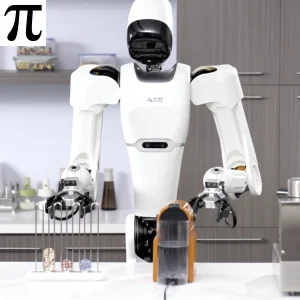
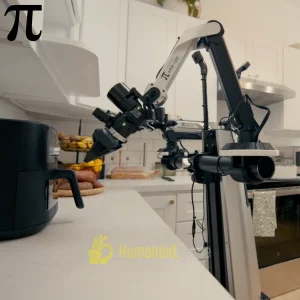
π0.7 is Physical Intelligence’s general-purpose robot foundation model. It follows detailed instructions, combines learned skills in new ways and works on robots it has never seen before.


