Welcome, 4NE1 Gen 4!
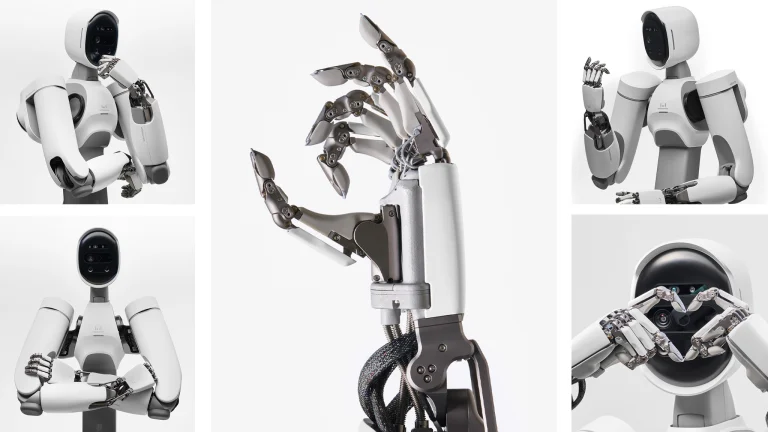
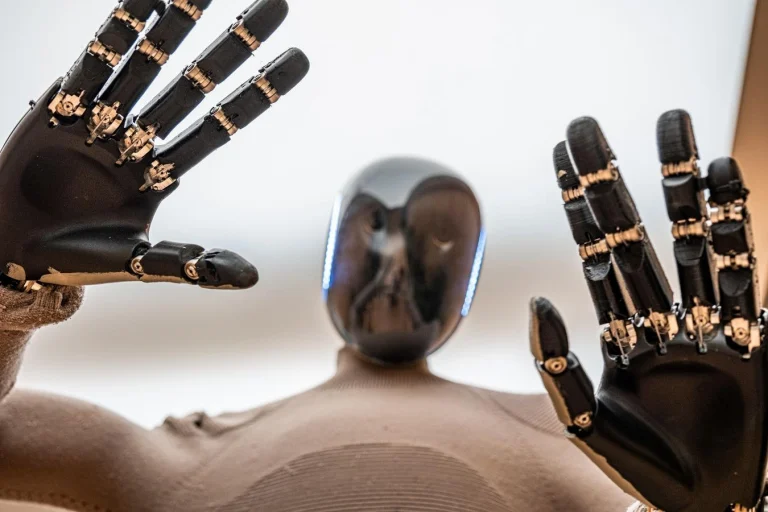
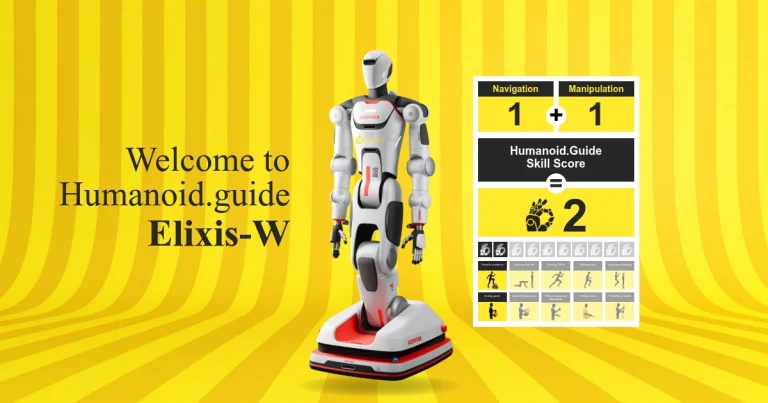
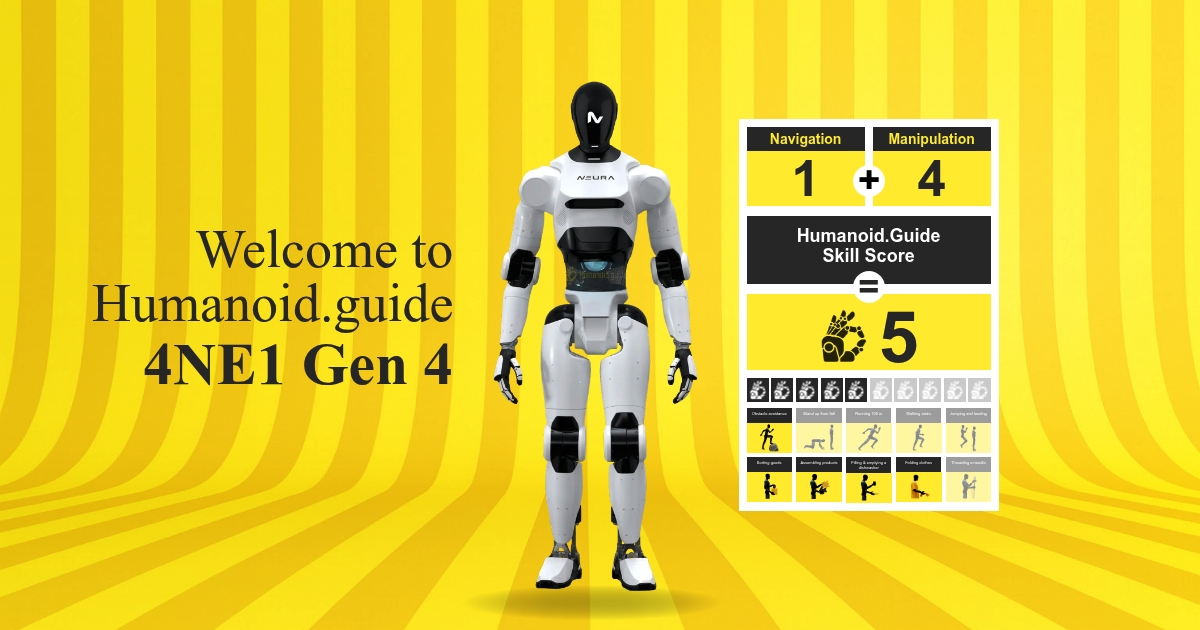
4NE1 Gen 4 is a humanoid robot developed by NEURA Robotics in Metzingen, Germany, for industrial work and home assistance. Standing 180 cm tall and weighing 65 kg, it combines a full size humanlike form with textile skin, electric actuators developed by NEURA, and onboard computing. Its overall skill score of 5 out of 10 places it in the developing category, with a stronger manipulation rating of 4 out of 5 and a lower navigation rating of 1 out of 5. Its listed capabilities include obstacle avoidance, sorting goods, assembling products, filling and emptying a dishwasher, and folding clothes. The robot has 55 overall degrees of freedom and five fingers per hand. Its body is described as 20 percent lighter than the preceding design, while its hands offer greater precision. Sensor skin, force and contact sensing, limb reflexes, and perception covering 360 degrees support operation alongside people. These features address physical interaction without making safety independent of the task or operating environment.
The technical architecture centers on NEURON AI, a Perception Language Action model that runs locally on the robot. It combines vision, touch, force, sound, language, and memory, bringing multiple sensing channels into a shared control framework. For sorting goods and assembling products, the combination of articulated hands and contact sensing is relevant to handling objects and managing physical contact. Filling and emptying a dishwasher and folding clothes extend the manipulation focus into domestic tasks involving varied objects and materials. Obstacle avoidance is its listed navigation capability, and the navigation rating remains substantially below the manipulation rating. Connectivity includes 5G and Wi Fi, while NEURA’s software stack and Neuraverse provide the surrounding software environment.
Availability is listed as in production, while NEURA also describes preparation for series production. The listed price is USD 70,000, with an inquiry option for prospective buyers. Development, manufacturing, and training take place in Germany, giving the platform a shared national base across those activities. Its broader significance lies in the combination of locally running multimodal AI and a physical platform intended for both industrial and domestic settings. The current score presents a developing robot rather than a finished general purpose solution. For prospective adopters, the clearest evaluation priorities are its listed manipulation tasks, obstacle avoidance, and the practical requirements of deploying it around people in a specific workplace or home environment.