Unitree develops Rehearsal to improve humanoid robot skills
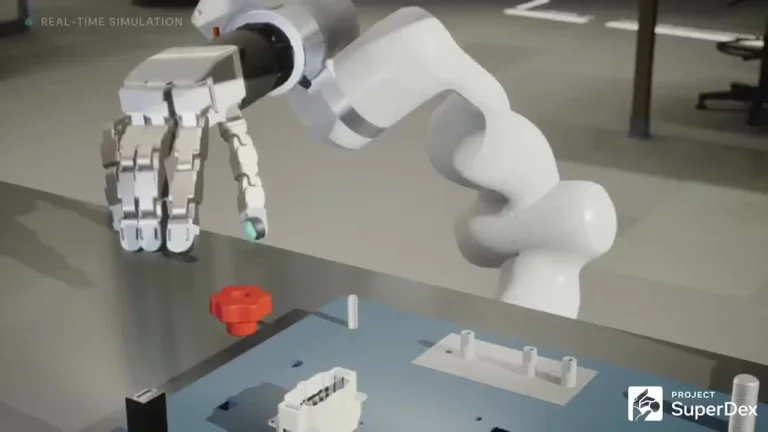
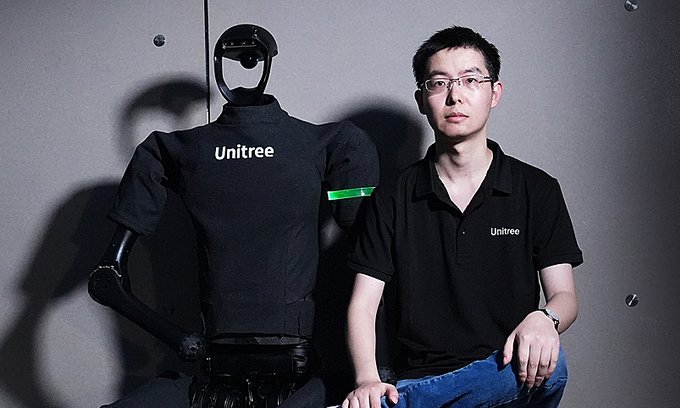
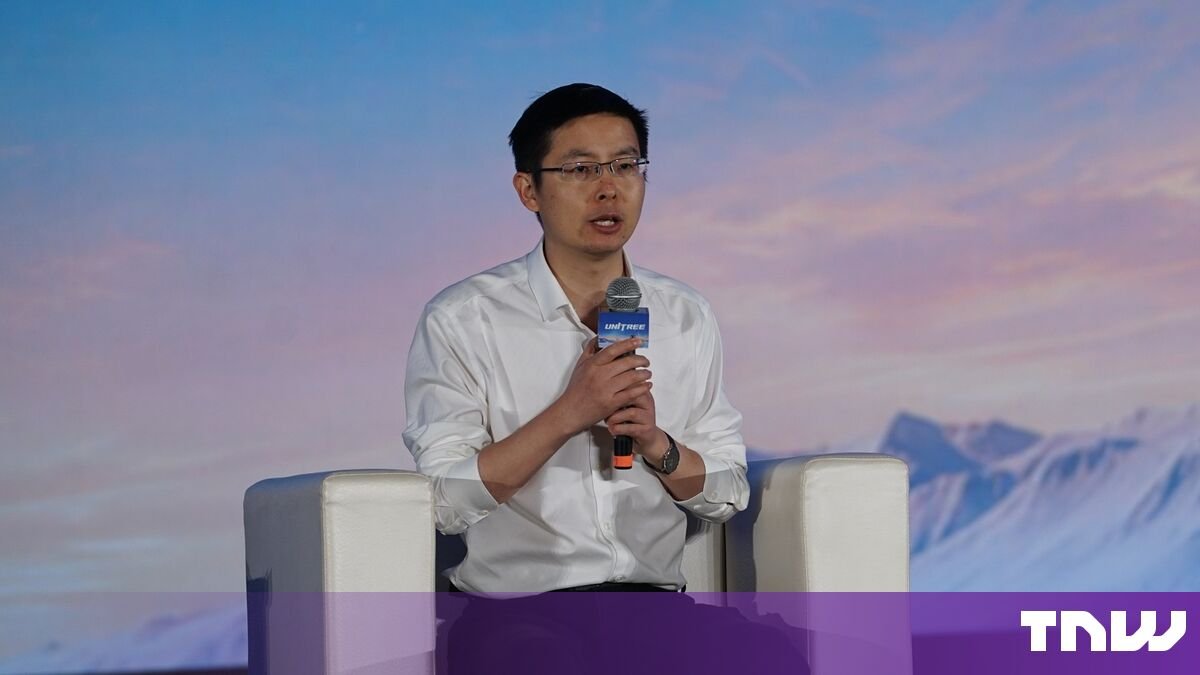
Unitree Robotics is developing Unitree Rehearsal, a system intended to help its humanoid robots improve through AI research, code generation, simulation and physical testing. Founder Wang Xingxing called it the company’s most important project of the year at a Unitree physical AI conference in Hangzhou, according to The Next Web, citing the South China Morning Post. Under the proposed workflow, AI would search research papers, write code and test it in simulation before trials on real robots. Bloomberg reported that Unitree already uses AI in this way, collecting feedback from physical tests to adjust its models.
The project accompanies a more aggressive forecast for practical humanoids. Wang now expects robots to complete 80% of tasks assigned by voice as soon as 2028, Bloomberg reported, citing a transcript supplied by Unitree. His forecast covers factory and household work, which he described as an “aha” moment for practical robots. At the World Robot Conference in Beijing in August, he had said mass use in factories and homes could take 10 years, according to Bloomberg. His own assessment of current household capability was blunt: “If you take a humanoid home now and ask it to clean the room, honestly I don’t think it can complete that task,” Wang said in the transcript.
For robotics developers, the concrete element is the proposed feedback loop between simulated tests and physical trials, rather than the forecast date. Wang said Unitree humanoids running GPT-6 can paint, including changing colours and rinsing the palette, and play Go. Those are specific capability claims, narrower than the factory and household task coverage he anticipates. According to Bloomberg, Unitree is developing its own models while working with AI laboratories in China and abroad. The company also plans to expand production to meet possible demand for tens of millions of robots; Bloomberg puts its current robot output at tens of thousands annually.
Source: TNW | Robots