US humanoid supply chain push tests China dependence
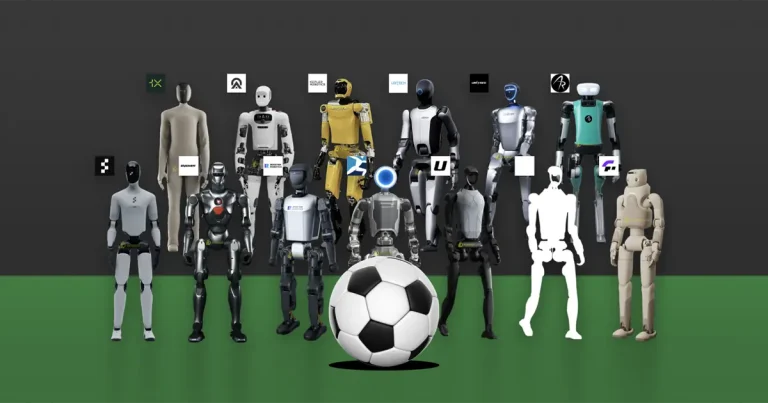
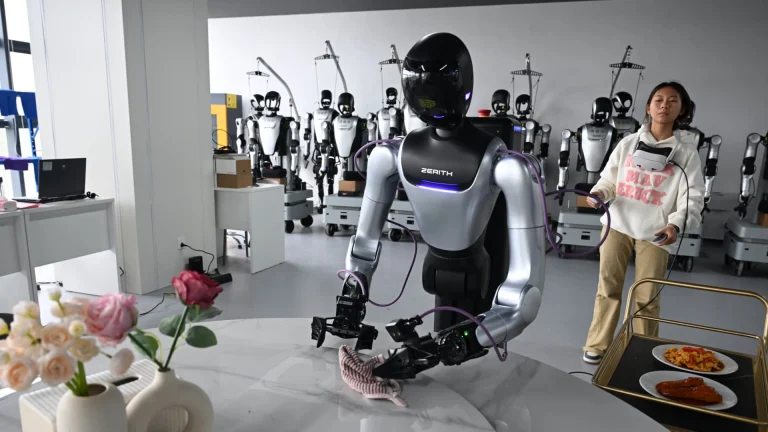
US humanoid developers including 1X and Figure AI are trying to reduce dependence on Chinese component supply by bringing more of the robot stack inside their own factories, according to a Forbes report. The article directly challenges a New York Times framing that building a humanoid robot without China is “nearly impossible,” arguing that several American companies are taking a different route rather than trying to match China supplier by supplier.
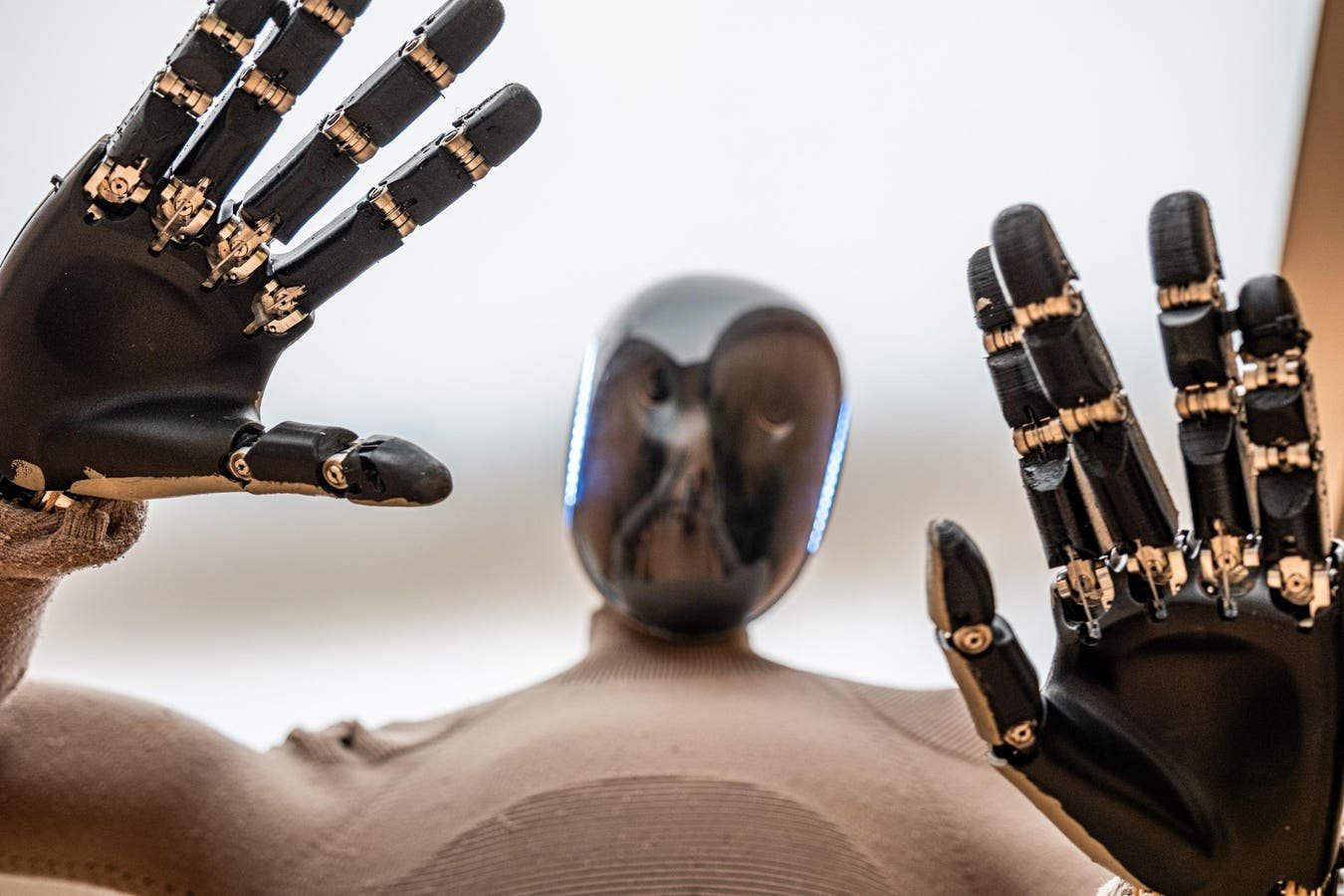
The claim is strongest where the source points to concrete manufacturing choices. 1X, maker of the NEO humanoid, is cited as designing and manufacturing critical components in house at its Hayward, California operation, including motors, batteries, structures, transmission systems, soft goods and sensors. Forbes also says NEO is expected to ship this year at $20,000, or $500 a month on a subscription plan.
Vertical integration becomes the supply chain strategy
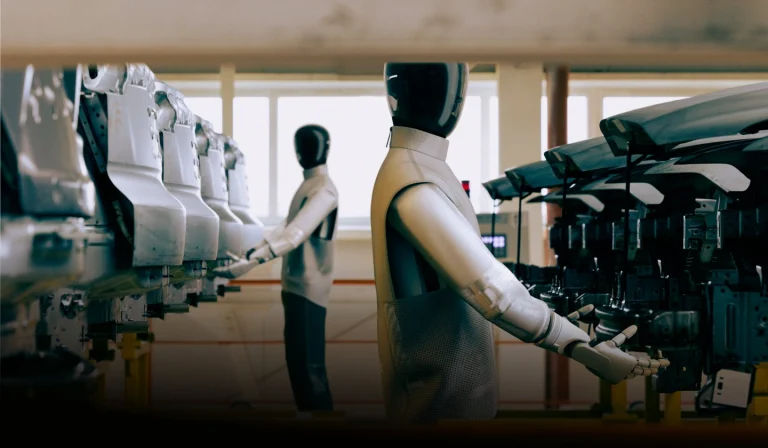
Forbes describes 1X as doing more than final assembly. The company is said to cut metal parts, operate automated motor manufacturing lines that form copper coils, make tendons used to move NEO’s limbs and digits, produce robot clothing, manufacture finger components and build batteries. Dar Sleeper, 1X’s head of design and product, told Forbes that the company has driven bill of materials cost down by making many parts itself and manufacturing in the United States.
Figure AI is presented as following a similar pattern for Figure 03. The company has said it is focusing heavily on assembling core technology in house, including actuators, hands, batteries and final assembly, while using outside vendors for piece part manufacturing when needed. Forbes also cites Figure’s in house battery work as a response to one of the most China dominated parts of the broader electronics and robotics supply base.
The same report names several other US robotics manufacturers with domestic manufacturing plans or facilities. Standard Bots, which Forbes says recently raised $200 million, plans to make everything in America. Phantom is described as manufacturing proprietary cycloid actuators. Apptronik is building in Texas, while Agility Robotics operates its RofoFab factory in Salem, Oregon. 1X is said to be building toward more than 100,000 units of annual production capacity by the end of 2027, with a second California facility in the pipeline, and Figure is described as planning similar numbers.
China’s advantage is real, but not uniform
The Forbes piece does not dismiss China’s position. It cites a McKinsey report showing that China has a significant share of key robotics component supply, especially magnets for motors. In other categories named by the report, including driver boards, bearings and sensors, Forbes says suppliers exist across South Korea, Japan, Germany, the United States and other countries.
McKinsey’s framing is useful for humanoid operators and buyers because the sector is still in a premodular phase. According to Forbes’ summary of the report, humanoid OEMs are generally choosing between two imperfect paths: deep vertical integration or close codevelopment with a small group of partners using adjacent industrial components redesigned for humanoid needs. Both can speed development. Neither automatically produces low cost scale. Vertical integration puts manufacturing overhead on one company, while repeated codevelopment can force expensive redesign work for each platform.
China retains clear advantages in government support, local supplier density and cost structure. Rare earth magnets remain a particularly sensitive bottleneck, with Forbes noting that China controls most of the global supply and is becoming more selective in exports. The article points to developing alternatives, including MP Materials’ domestic magnet capacity with Department of Defense backing, Niron Magnetics’ rare earth free magnet materials and Evolution Metals & Technologies’ plan for 10,000 metric tons of annual magnet making capacity based largely on recycling.
The AI layer is part of the sourcing picture
Forbes also places the humanoid supply chain discussion beyond hardware alone. Its argument is that companies such as Figure, 1X, Apptronik, Tesla and other American humanoid robot manufacturers are trying to own actuator design, battery production, final assembly and physical AI rather than source every major subsystem from an external vendor.
That approach reduces some supplier dependencies, but it also raises execution risk. A company that builds its own actuators, batteries and intelligence stack has fewer outside firms in the critical production path, but it also absorbs more factory complexity and capital burden. A Bessemer Venture Partners report cited by Forbes suggested that vertical integration through intelligence and data is critical at this stage of humanoid robotics development.
High end AI chips are another counterweight in Forbes’ analysis. The article says western companies may have better access to Nvidia chips and other advanced AI hardware, while noting that the New York Times reported UBTech imports chips that control robot movement. Unitree is also cited as relying on Nvidia simulation software and announcing a partnership around Nvidia chips and software for reasoning and decision making.
The practical question for the US humanoid supply chain is not whether every foreign component can be eliminated. Forbes acknowledges that raw materials and components may still come from other countries. The harder test is whether vertically integrated humanoid OEMs can hit their stated production rates while keeping reliability, cost and useful physical intelligence under control.
Source: forbes.com