A Mix of Fascination and Fear
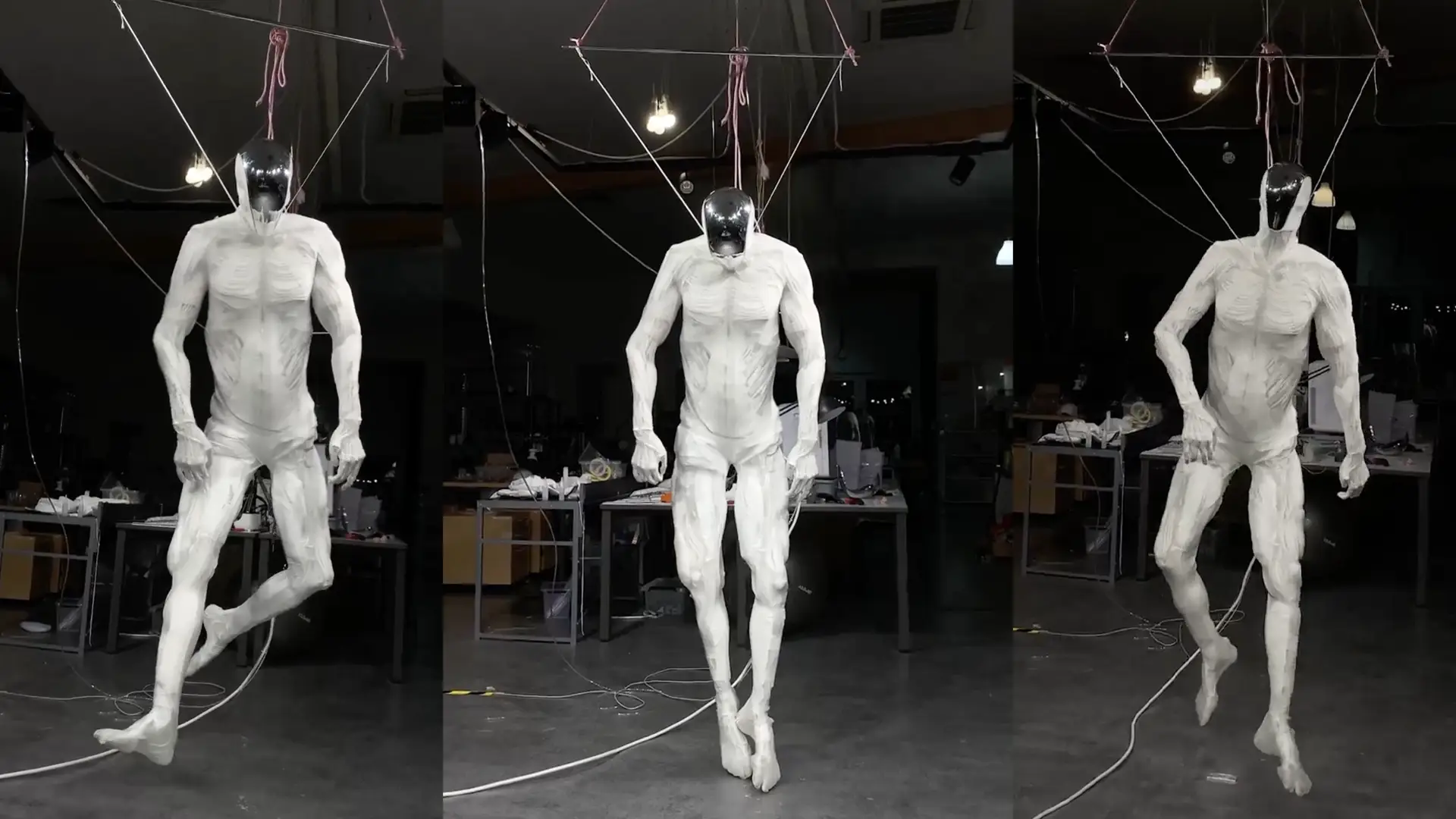
In a groundbreaking announcement, Clone has introduced the Protoclone, the world’s first musculoskeletal bipedal android. Described as a “faceless, anatomically accurate synthetic human,” this technological marvel is equipped with over 200 degrees of freedom, more than 1,000 Myofibers, and 500 sensors. The post on LinkedIn has already drawn significant attention, and reactions have been a blend of admiration, excitement, and a fair amount of concern.
1. A Revolutionary Leap in Robotics:
For many, the Protoclone marks a massive step forward in the field of robotics. Its ability to mimic human movement so accurately makes it an exciting development. Jason Braverman, a CTO known for his critical views on humanoid technologies, expressed his admiration for the android, noting that it could be a revolutionary tool for repairing damage to human body parts by providing a synthetic but incredibly lifelike experience. If this is just the beginning, the potential for even more advanced versions in the future is staggering.
2. A Mix of Fascination and Fear:
While the innovation is undeniable, not everyone feels entirely comfortable with the implications of such advancements. Yana Vereshchaga succinctly captured the dual feelings surrounding the Protoclone, describing it as both “amazing and scaring at the same time.” This combination of awe and trepidation has been echoed in many comments, as people recognize the profound impact such technology could have on both society and individual lives.
3. Pop Culture References and the “Westworld” Effect:
It’s not surprising that references to dystopian themes have made their way into the conversation. The uncanny valley effect is palpable, and many have drawn comparisons to shows like Westworld—a series known for its eerily lifelike robots. One comment even quipped, “Westworld is here,” while another humorously remarked, “Man-made horrors beyond comprehension.” It’s clear that while the Protoclone is a technological marvel, it also carries the weight of all the cultural baggage that comes with human-like machines in popular media.
4. Technical Questions and Criticism:
As impressive as the Protoclone is, some have pointed out that its capabilities are still a work in progress. Gustavo Chelles noted that while the hardware is stunning, the software is still in need of refinement. Many commenters also inquired about the android’s potential to walk, asking how it would be trained for such tasks, with one user wondering if reinforcement learning techniques are being utilized. These questions suggest that while the Protoclone has a lot of promise, there’s still much to be done before it’s fully functional.
5. A New Era of Human-Robot Interaction?
Rafael Hostettler, a robotics CEO, pointed out that musculoskeletal bipedal robots aren’t exactly new. He referenced the work of Inaba Masayuki, whose Kengoro and Kenshiro robots predate the Protoclone by over 20 years. Hostettler’s comment highlights how Protoclone is part of a long-standing effort to create more human-like machines, and how this field has already seen significant progress. The difference, however, might lie in the Protoclone’s more refined integration of sensors and Myofibers, which could give it an edge in future developments.
The Protoclone has certainly captured the imagination of many, but it has also ignited discussions about the future of robotics and its potential risks. From those who see it as a breakthrough in human-robot interaction to those who fear the ethical and social implications, this announcement is just the beginning of what could be a transformative journey. As the Protoclone evolves, the world will be watching closely, grappling with both the possibilities and the potential perils of humanoid technology.