Advanced Robotics Conference Aachen
Physical AI is expanding the possibilities of industrial robotics. The Advanced Robotics Conference (ARC) at the end of November 2026 in Aachen, Germany, will explore what it takes to turn advanced prototypes into reliable applications and viable business cases.
Robots have been an integral part of industry for decades. What is changing now is the range of tasks they can perform. Conventional industrial robots are particularly efficient when movements and operating conditions are clearly defined. Advanced robotic systems, by contrast, are designed to handle changing environments, recognize objects, and adapt their actions accordingly.
ARC 2026 · Physical AI at the Advanced Robotics Conference
This development is bringing robotics and artificial intelligence closer together. The concept of Physical AI describes systems in which AI does more than process digital information: it connects perception with physical action. Sensors capture information about the environment, AI models interpret the data, and actuators translate the results into physical movements. Humanoid robots are currently the most visible example of this development, but the same principles apply to intelligent robotic arms, mobile platforms, quadruped robots, and drones.
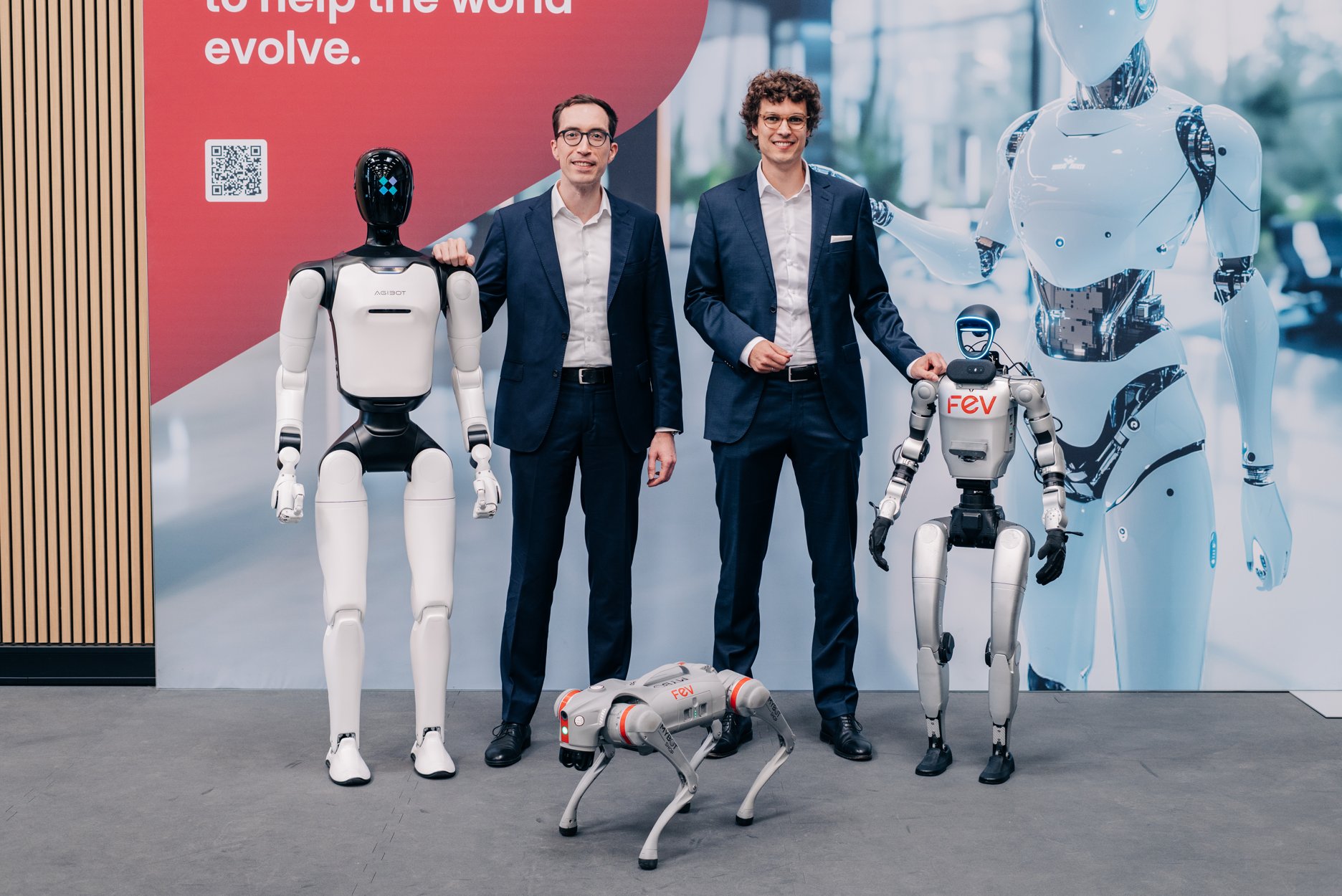
How these technologies can be translated into practical industrial applications will be a central topic at ARC 2026, hosted by engineering service provider FEV on November 25–26, 2026. The conference will bring together robotics OEMs, suppliers, distributors, industrial users, and research institutions. Topics will range from Physical AI and humanoid robots to sensors, actuators, end effectors, teleoperation, data collection, training, integration, and safety.
From prototype to reliable application
A powerful AI model alone is not enough for industrial deployment. What matters is the performance of the entire system. Sensors, actuators, control systems, software, computing power, and energy supply all need to work together reliably. At the same time, robots must be able to cope with variations in their surroundings. Components are not always positioned in exactly the same way, environmental conditions change, and people move within the working area.
This is one of the key challenges facing advanced robotics. A demonstrator that performs well under controlled conditions must also deliver consistent, safe, and reliable results over thousands of operating cycles in everyday production. This makes commissioning, maintenance, and system integration just as important as the AI itself.
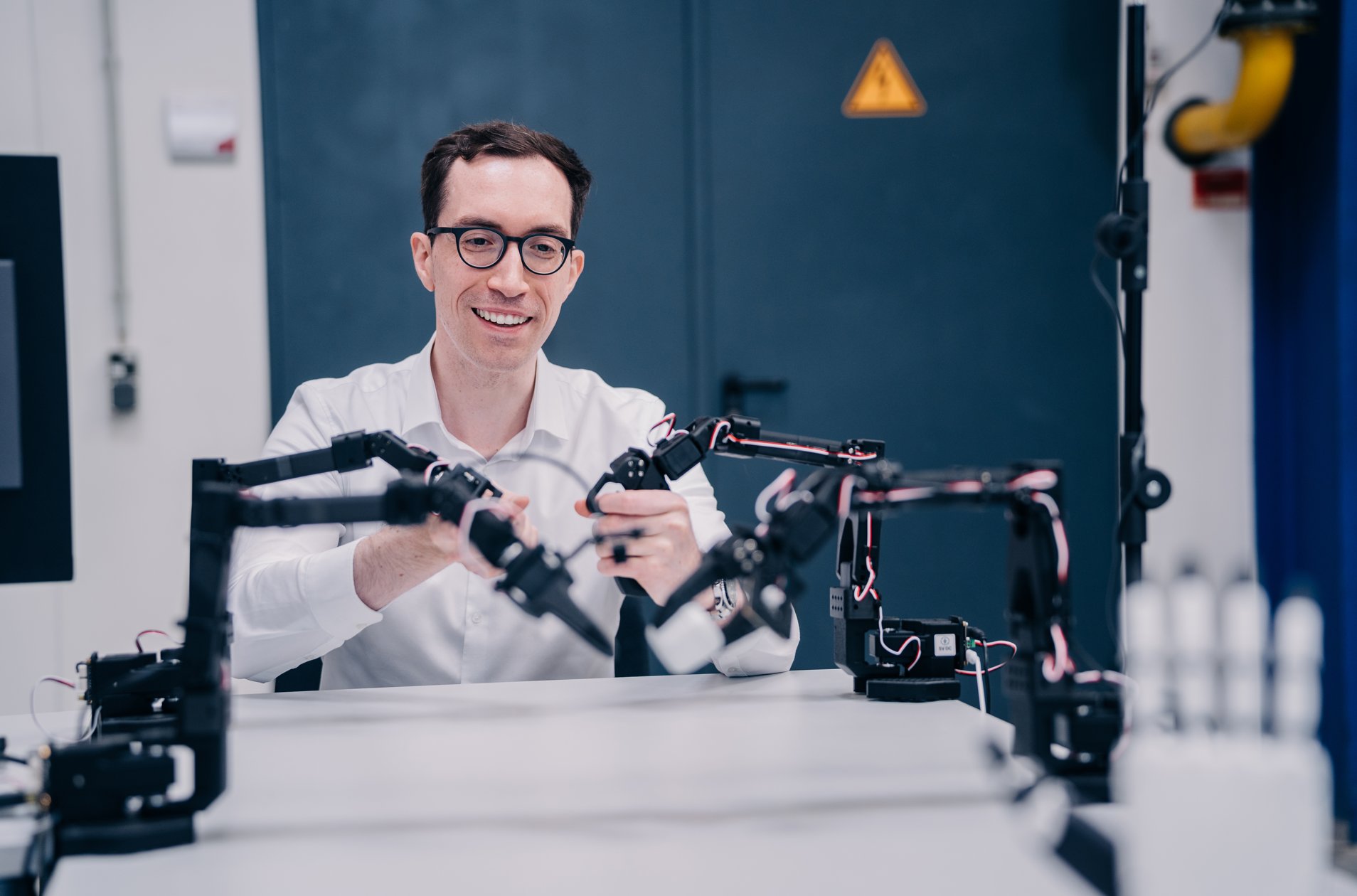
Data also plays a crucial role. Teleoperation and data collection make it possible to capture movement and environmental information that can be used to train robotic systems. Simulation can support the development process before functions are tested on physical hardware. However, validating performance in real working environments remains essential.
New! 2026 Humanoid
Robot Market Report
198 pages of exclusive insight from global robotics experts — uncover funding trends, technology challenges, leading manufacturers, supply chain shifts, and surveys and forecasts on future humanoid applications.

now Google DeepMind
Where advanced robotics can make a difference
Advanced robotics is particularly promising for tasks that are difficult or costly to automate using conventional solutions. In intralogistics, for example, intelligent systems can identify, pick, and sort different objects. In manufacturing, potential applications include machine loading and unloading, material handling, assembly, and inspection. Service applications are another possibility, particularly in environments that cannot be fully standardized.
Humanoid robots take a different approach. Their movement capabilities and mechanical structure are modeled on the human body, making them potentially suitable for workplaces, tools, and infrastructure, originally designed for people. However, whether a humanoid robot offers advantages over a specialized robotic arm or mobile platform always depends on the specific process and its requirements.
Making the business case
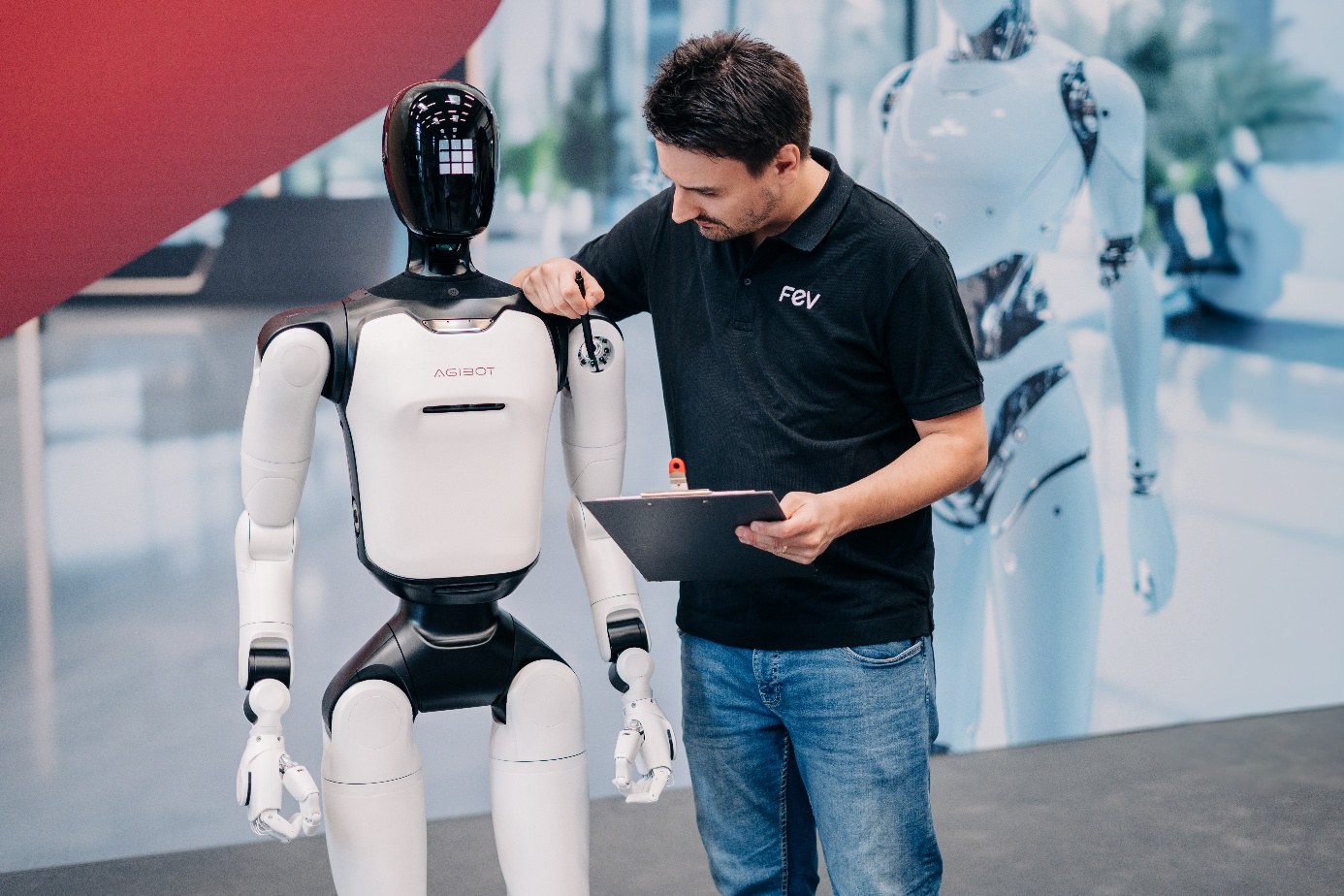
Alongside technical feasibility, economic viability is becoming increasingly important. Cycle times and labor costs are only part of the equation. Other relevant factors include flexibility when switching between product variants, improved ergonomics, equipment availability, and the automation of tasks that have previously required manual work. These potential benefits must be weighed against integration costs, ongoing operation, maintenance, and energy consumption. FEV is exploring these questions using its own humanoid robots, testing applications both in simulation and in real-world environments. At ARC 2026, this practical approach will also be reflected in the ARC Robo Gym, where conference participants will experience demonstrations of robotic systems.
Advanced robotics brings together expertise from several fields, combining AI and software with sensor technology, semiconductors, drive systems, automation, and mechanical engineering. Aachen provides an environment where research, engineering, and industrial applications are closely connected, creating opportunities to turn technological developments into practical solutions. Ultimately, the key question is not what a robot can achieve in a single demonstration, but how reliably it can perform in everyday industrial operations. Robust processes, safe integration, and a clear business case are what matter most. Only when these elements come together can Physical AI become a practical technology for everyday use in factories and workplaces.
Further information on ARC 2026, including speakers, the conference program, and registration, is available at: fev.com/arc-2026
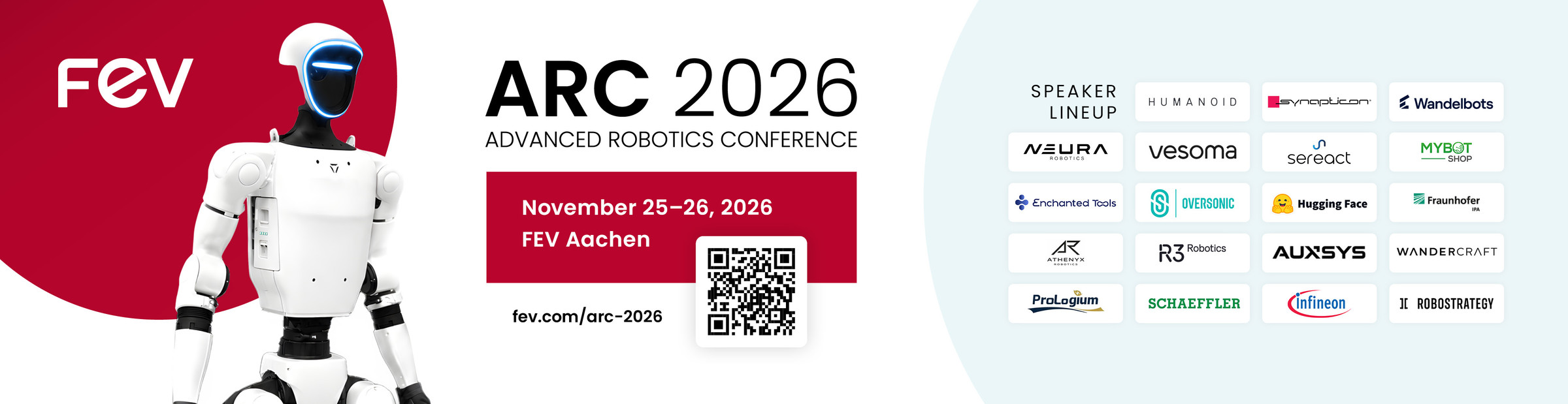
The Programme · Who Speaks at ARC 2026
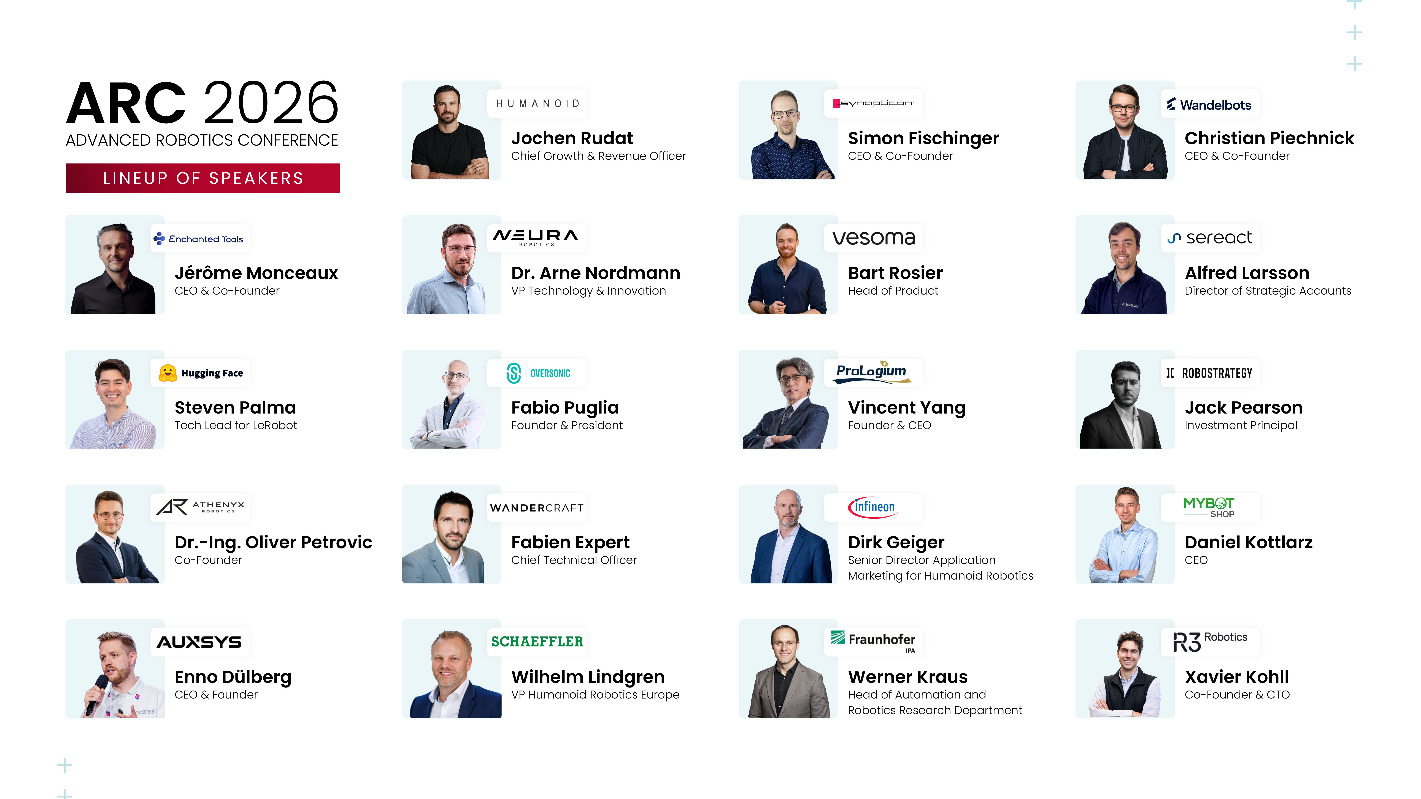
The Advanced Robotics Conference packs fifteen talks and a panel into one Thursday. Wednesday 25 November is the evening opener – registration and welcome drinks from 17:00, an opening by FEV's Dr. Dominik Lückmann and Dr. Dominik Boemer, the exhibition and live robot area, then an open bar and flying dinner until 22:00. On Thursday 26 November the talks start at 09:10:
- 09:10Jochen Rudat · HumanoidBeyond automation: Humanoid as a business transformation partner
- 09:30Steven Palma · Hugging FaceLeRobot: Making AI Robotics more accessible with end-to-end learning
- 09:50Simon Fischinger · SynapticonHumanoids out of the cage: Why a stopped robot isn't necessarily a safe robot
- 10:10Christian Piechnick · WandelbotsPhysical AI: The key to scaling robotics
- 11:10Dr. Arne Nordmann · NEURA RoboticsFrom Europe, for the world: Building the ecosystem for physical AI
- 11:30Bart Rosier · Vesoma
- 11:50PanelWilhelm Lindgren · Schaeffler, Jack Pearson · RoboStrategy, Werner Kraus · Fraunhofer IPA, Daniel Kottlarz · MYBOTSHOPHumanoids in Europe: Keeping pace or falling behind?
- 13:30KeynoteJérôme Monceaux · Enchanted ToolsThe Ordinary Magic of Robots
- 13:50Vincent Yang · ProLogiumPowering Physical AI: Next-Generation Batteries for the Humanoid Robotics Era
- 14:10Dirk Geiger · InfineonStart with the job. Not the robot.
- 14:30Fabio Puglia · Oversonic RoboticsA new era for cognitive cobot?
- 14:50Alfred Larsson · SereactFrom first deployment to Industrial scale: The customer journey to triple-digit AI robotic fleets
- 15:30Fabien Expert · Wandercraft
- 15:50Xavier Kohll · R3 RoboticsBuilding the next generation of robotic dismantling: R3's path towards Physical AI
- 16:10Oliver Petrovic · Athenyx RoboticsFrom lab demos to industrial applications: building the intelligence layer for Physical AI
- 16:30Enno Dülberg · AUXSYSBeyond Humanoids: Designing Robots for Heavy Physical Work
Thursday 26 November, local time, as published by FEV on 22 October 2026 – the programme may still change.
In our guide: HMND 01 (Humanoid) · 4NE1 (NEURA Robotics) · Mirokaï (Enchanted Tools) · CALVIN-40 (Wandercraft) · RoBee (Oversonic)
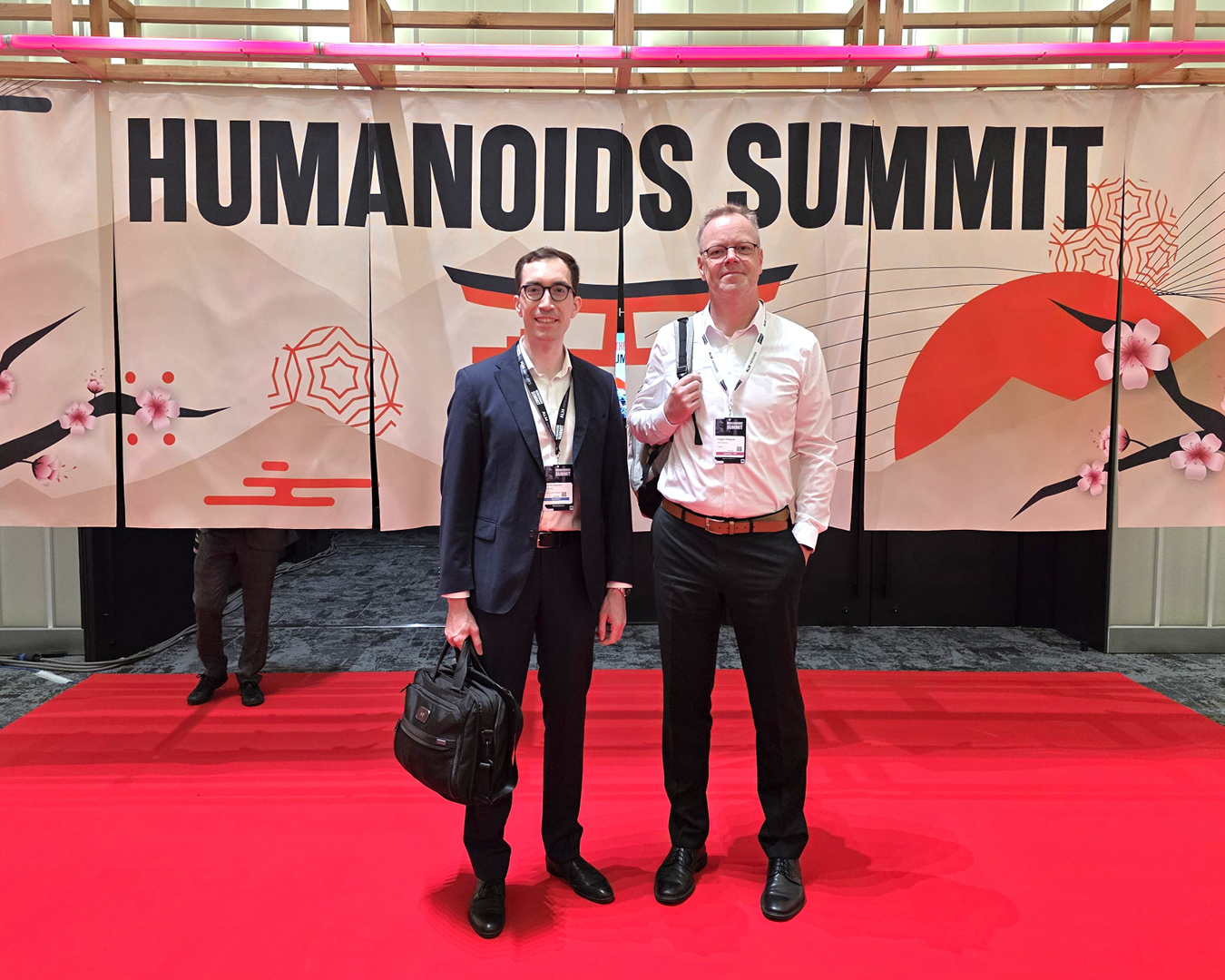 Related readingHumanoids Summit Tokyo – Dr. Dominik Boemer of FEV Consulting reports from Takanawa Gateway
Not what a robot can do in one demo – but how reliably it works every day.
The Advanced Robotics Conference runs 25–26 November 2026 at FEV headquarters, Neuenhofstraße 181, Aachen. Speakers, programme and registration: fev.com/arc-2026
New! 2026 Humanoid
Robot Market Report
198 pages of exclusive insight from global robotics experts — uncover funding trends, technology challenges, leading manufacturers, supply chain shifts, and surveys and forecasts on future humanoid applications.
now Google DeepMind