Humanoids Summit Tokyo
with humanoid.guide on the floor
The fourth edition drew roughly 2,000 attendees to Takanawa Gateway – matching the Silicon Valley event in scale, and signalling Japan's momentum behind humanoid robotics.
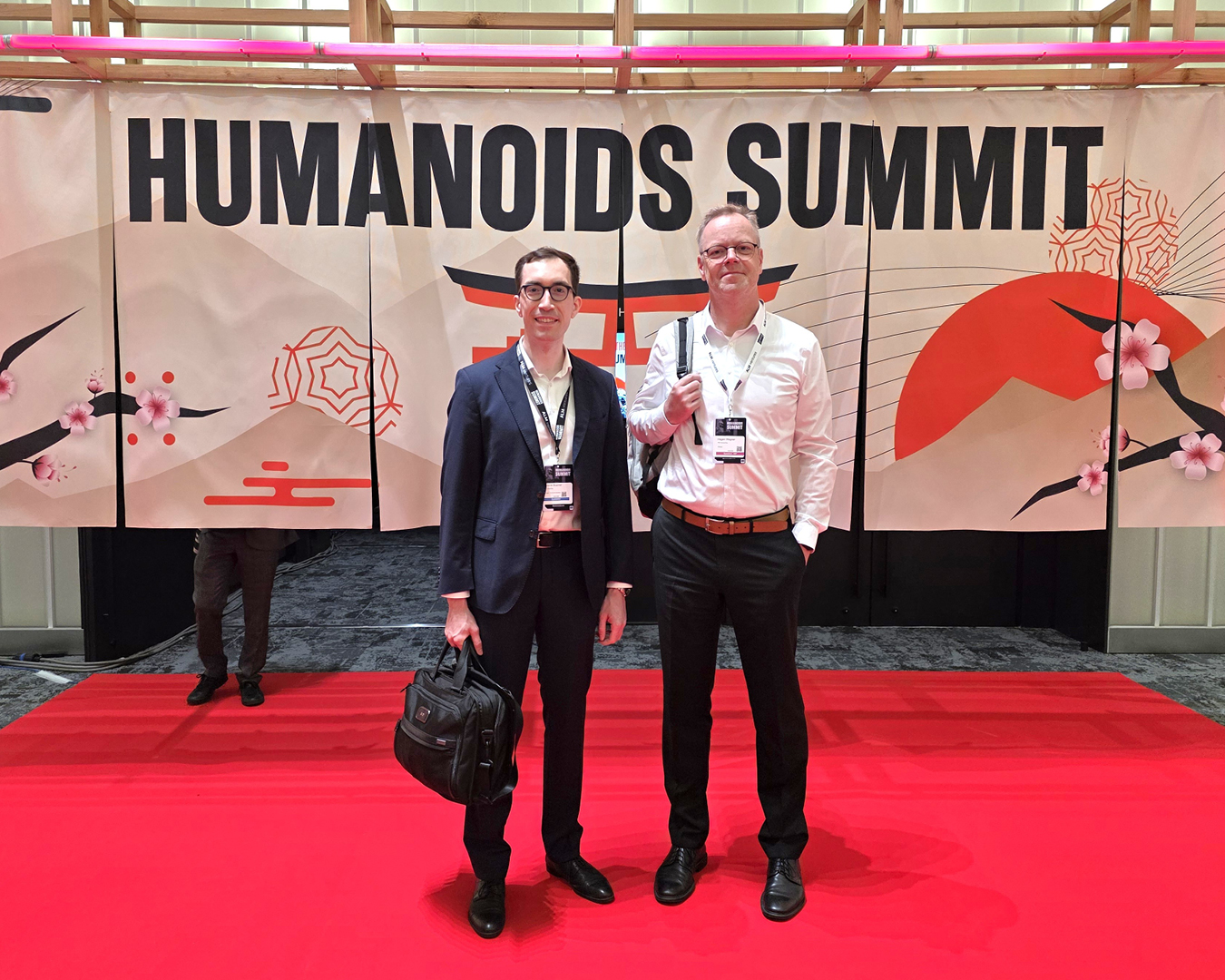
The fourth edition of the Humanoids Summit took place at the Takanawa Gateway Convention Center in Tokyo from May 28-29, 2026, following the previous edition in Silicon Valley. The event gathered approximately 2,000 participants, with 55+ speakers, 35+ exhibitors, and over 80 journalists.
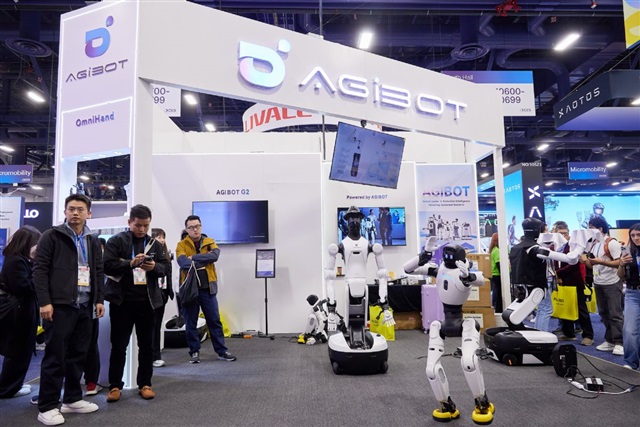
Overall, the summit highlighted the strong momentum behind humanoid robotics in Japan, reaching a scale comparable to the Silicon Valley event in December and roughly twice the size of last year's London edition. Particularly notable was the high-quality exhibition, featuring a traditional noren at the entrance to the presentation area and a wide range of hands-on demonstrations by humanoid OEMs and suppliers across the booths.
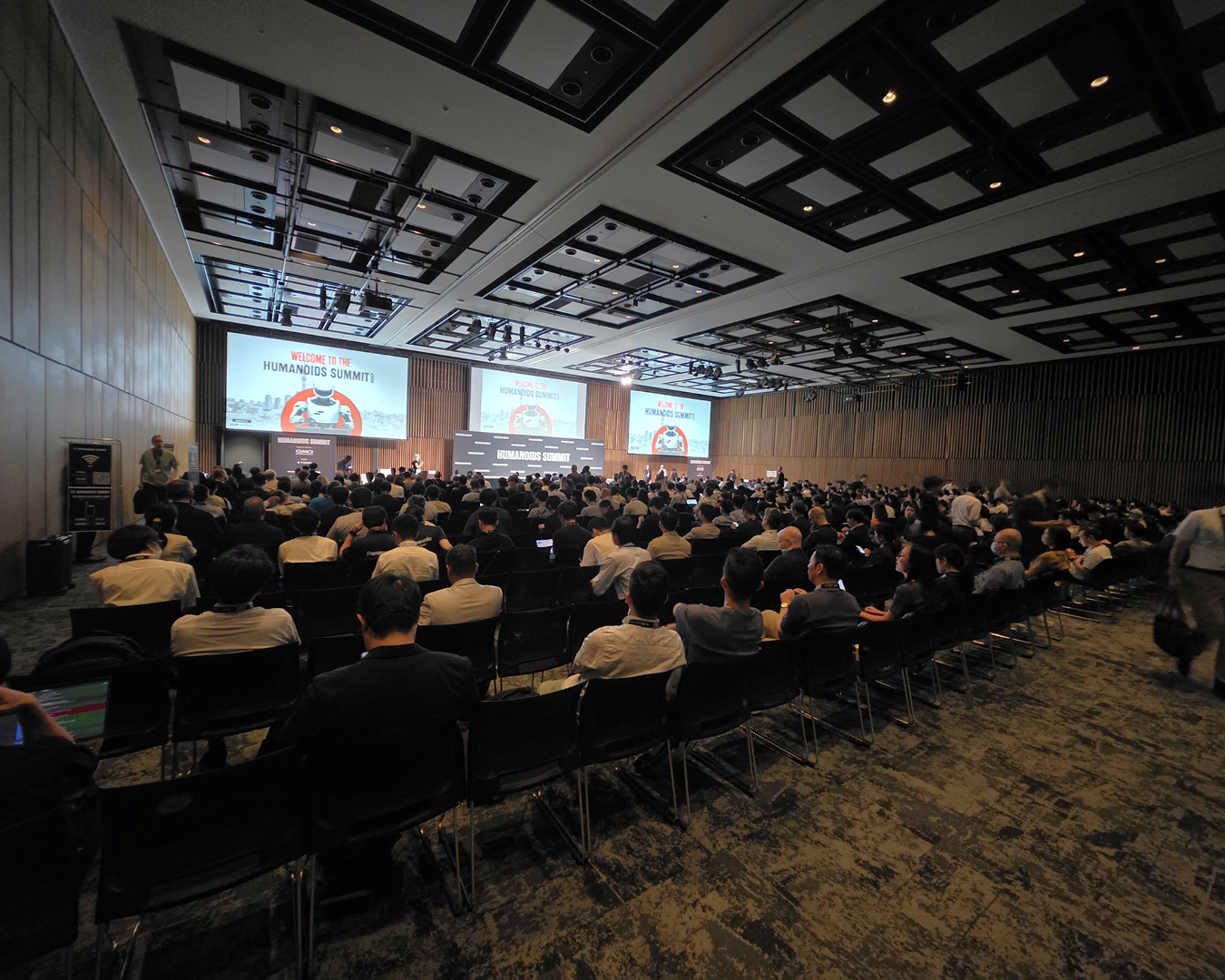
As in previous editions, the conference included presentations, panel discussions and exhibition booths, underscoring the growing global interest in humanoid robotics.
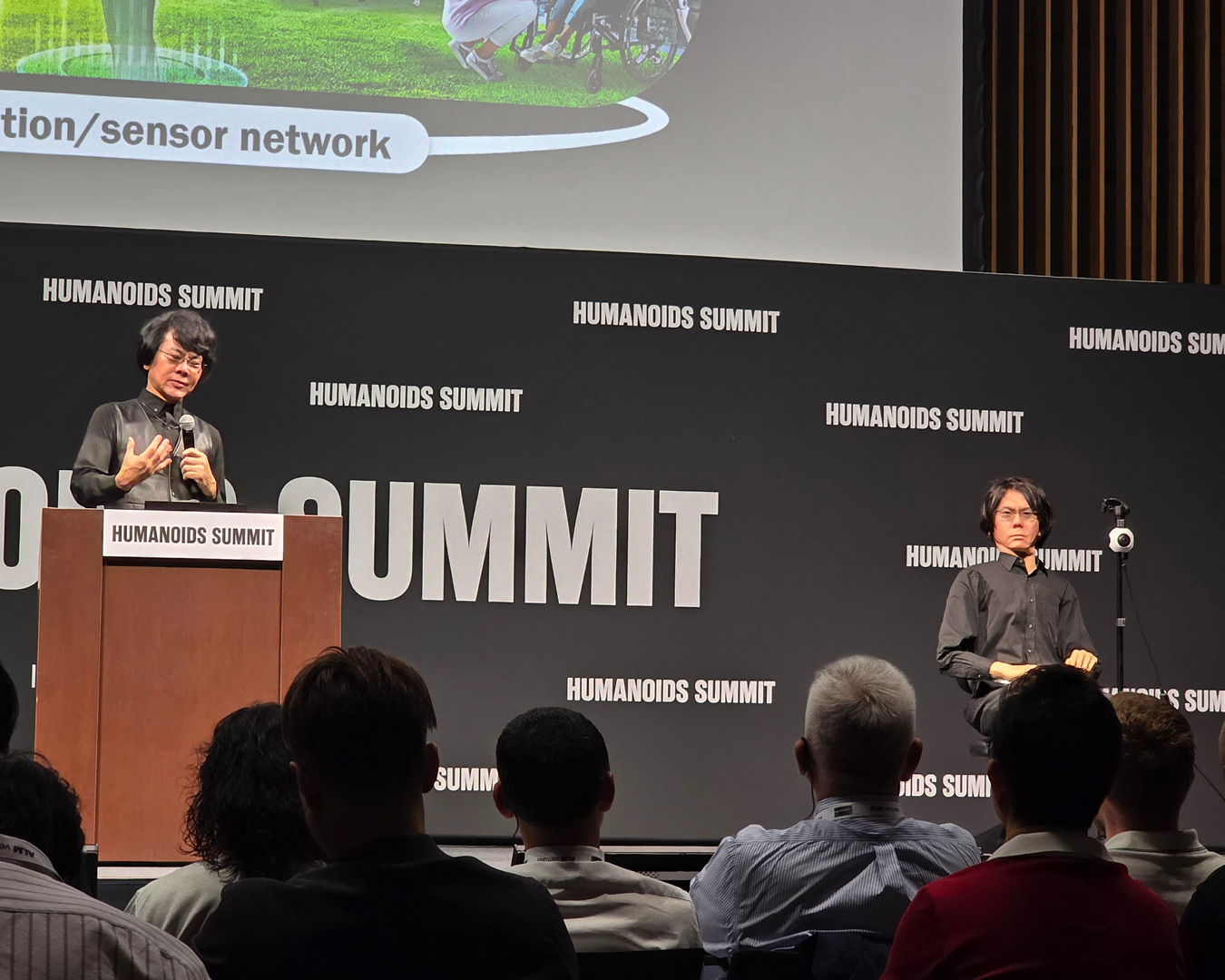
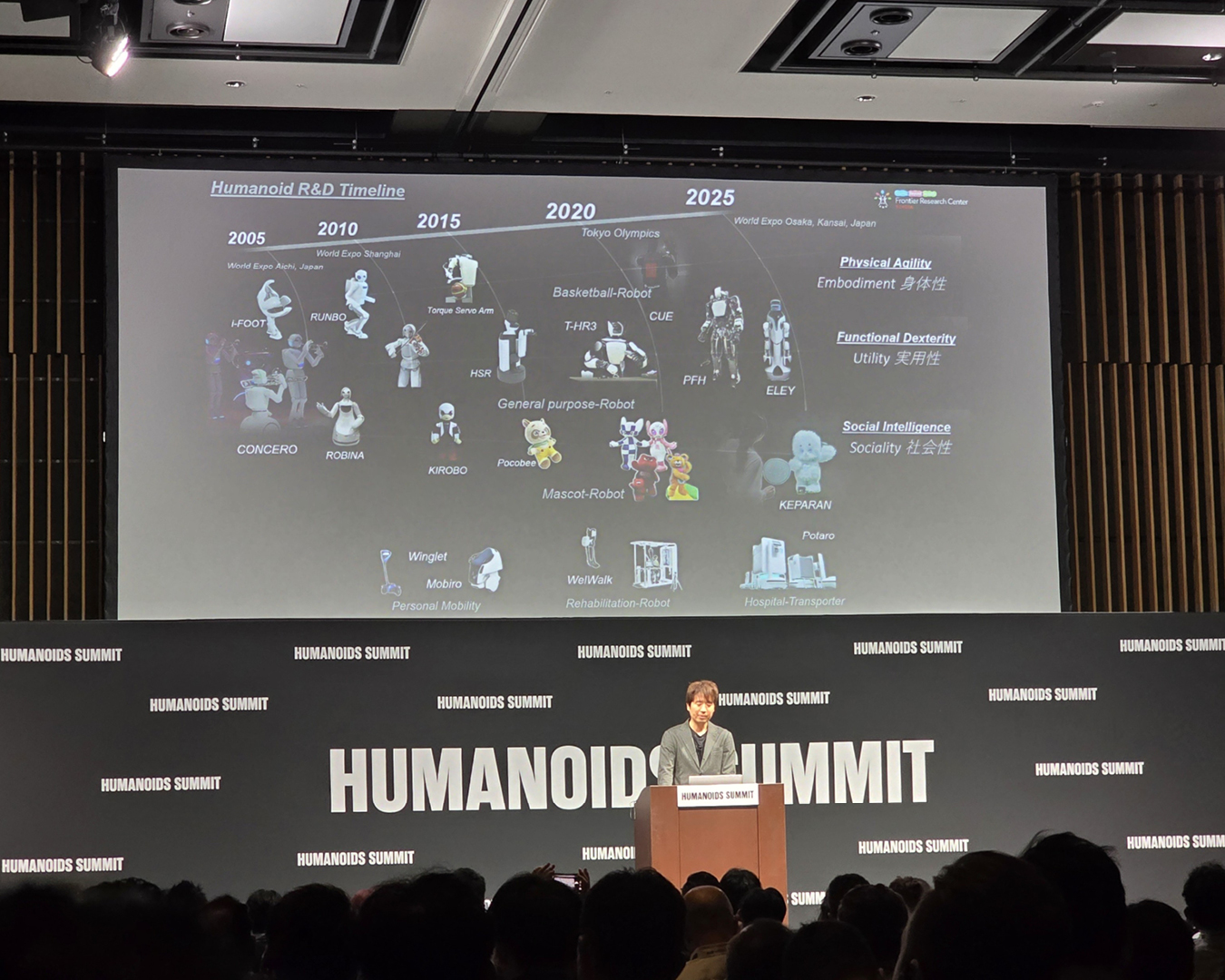
In the opening keynote, Prof. Hiroshi Ishiguro introduced the vision of a human–avatar symbiotic society, accompanied on stage by his robotic counterpart. A key highlight was the live interaction between Prof. Ishiguro and his speaking, moving avatar. Tomohiro Nomi then outlined Toyota's vision for humanoid robotics, reflecting over 20 years of development. He emphasized multiple robot embodiments designed by Toyota as partners rather than tools, and highlighted a dual commercialization approach: short-term factory deployment alongside long-term R&D.
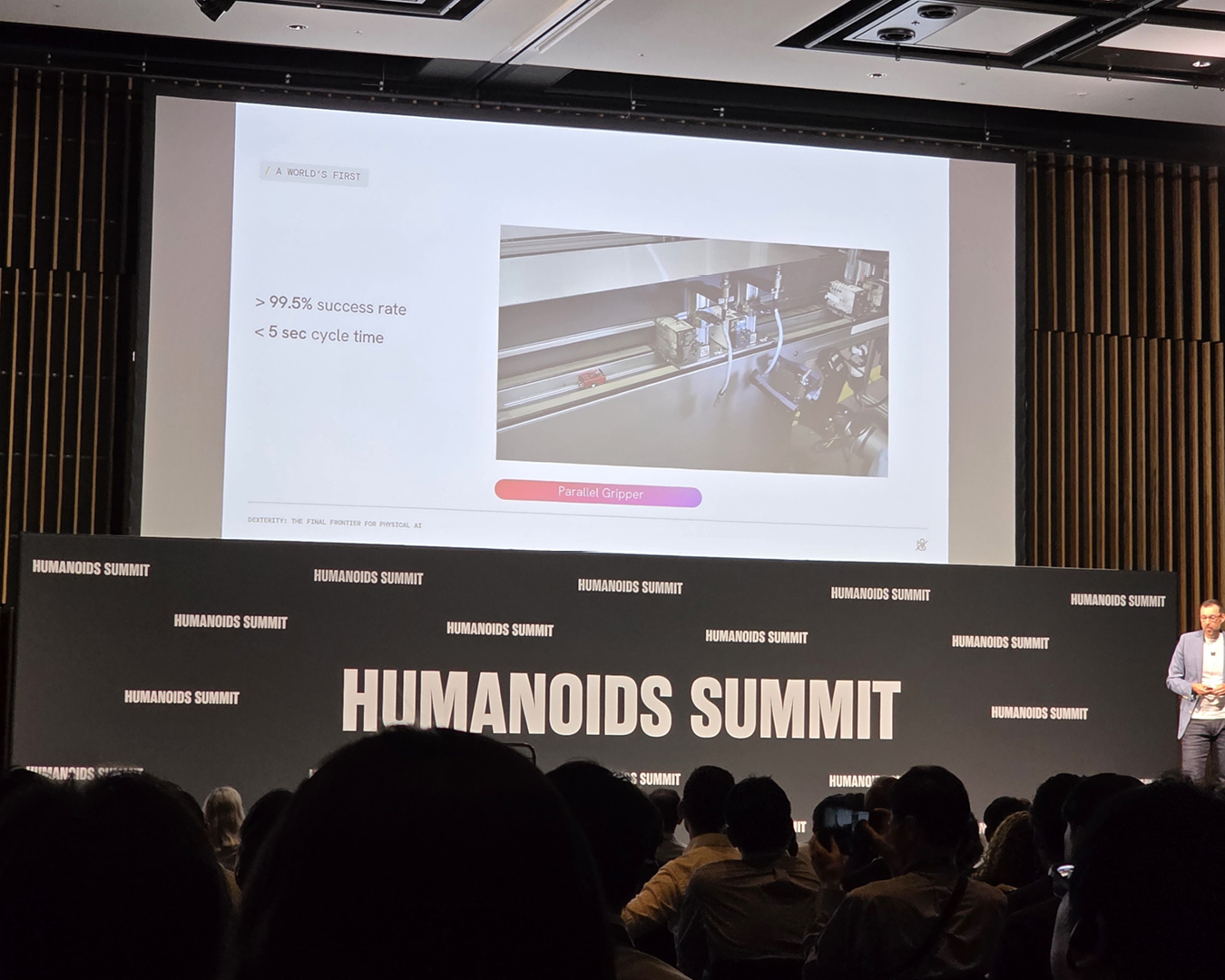
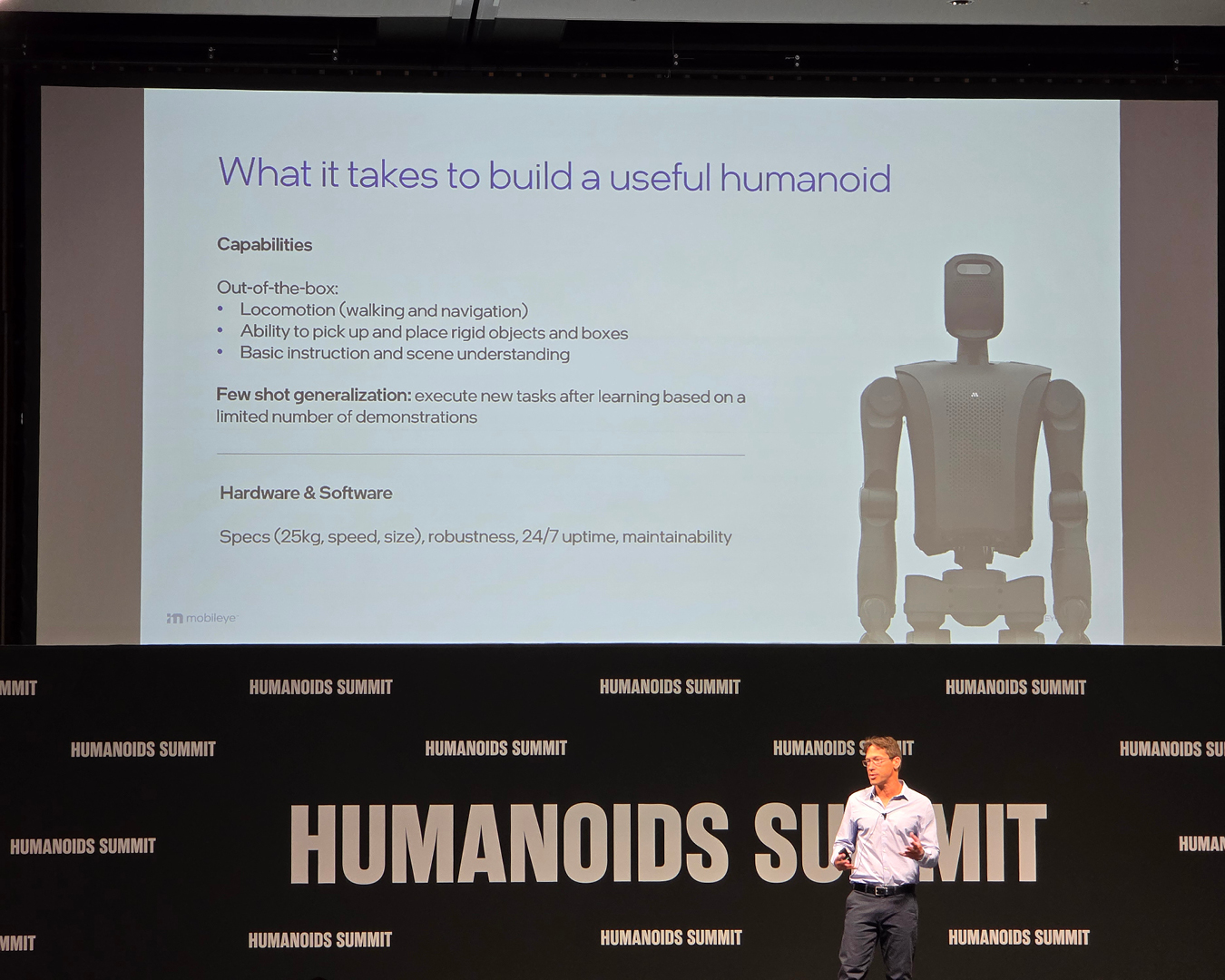
Alongside contributions from Japanese robot manufacturers, James Wells (Sanctuary AI) focused on dexterity, highlighting the company's gripper-based approach and what is likely the only hydraulic hand currently in the market. Sanctuary recently demonstrated a >99.5% success rate with sub-5-second cycle time for inserting a cable connector into its socket by a parallel gripper. Lior Wolf (Mentee Robotics) presented Mentee's approach to building AI for humanoids, emphasizing extensive use of simulators, few-shot learning, and vertical integration optimizing for efficient sim-to-real transfer.
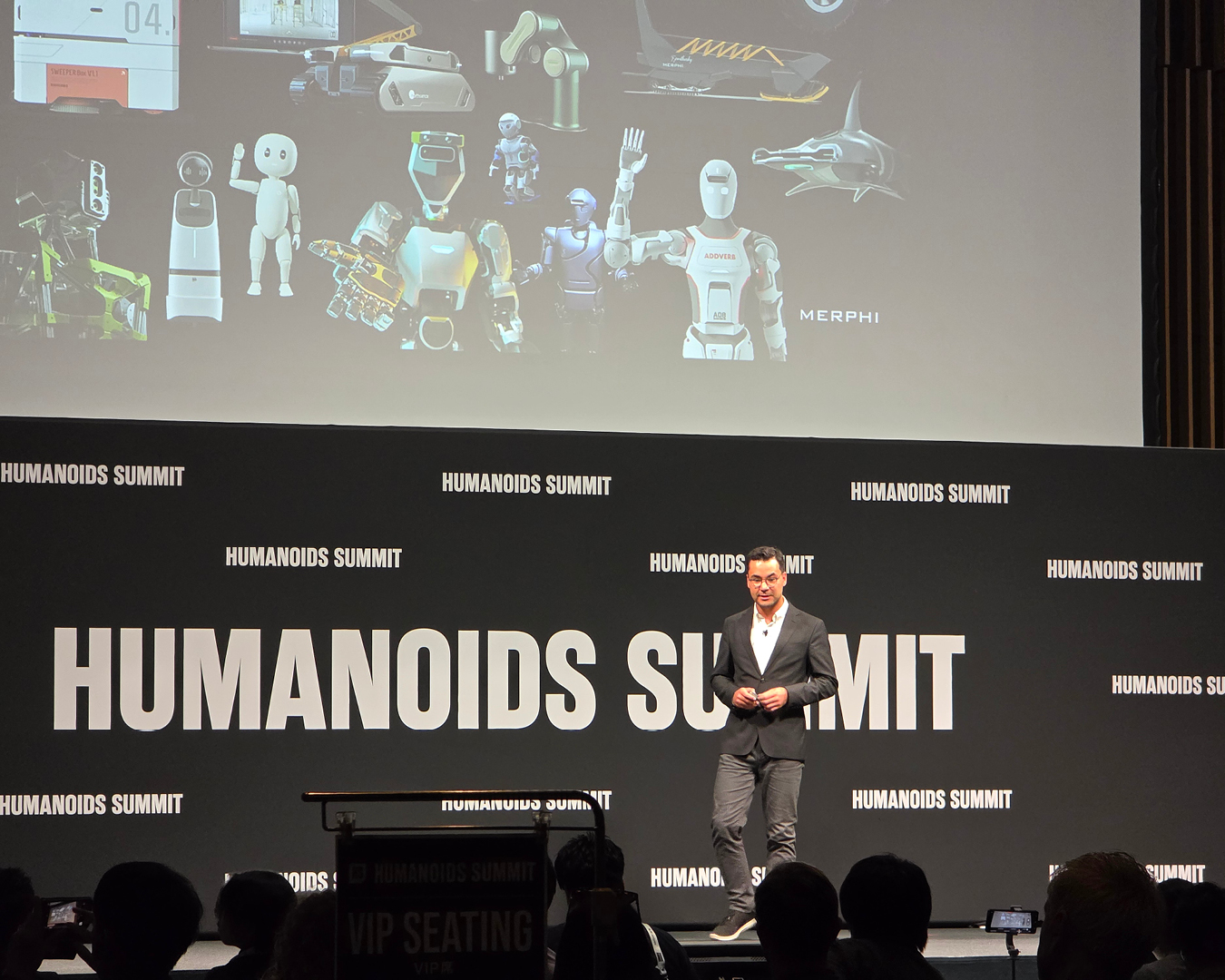
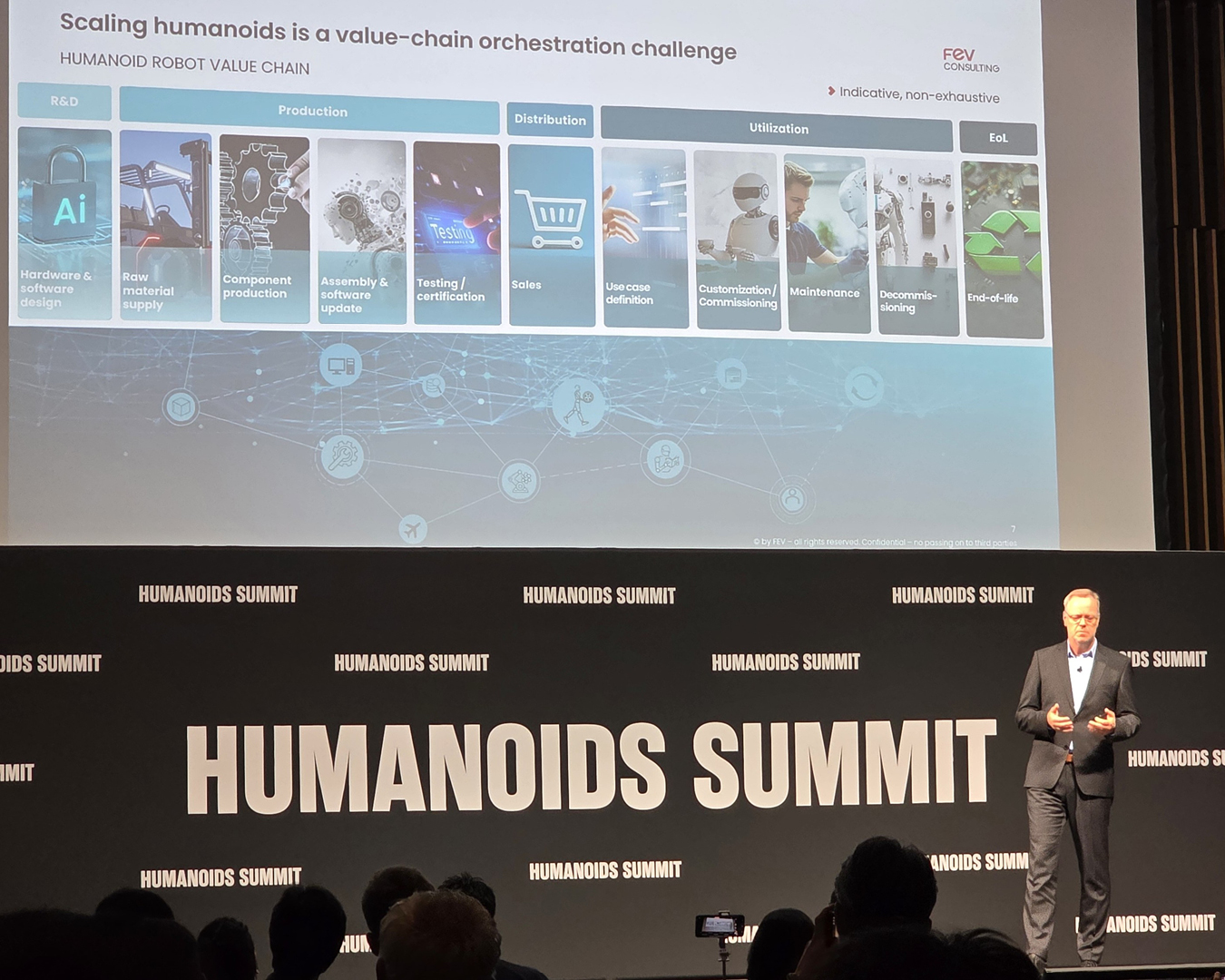
Beyond humanoid OEMs, suppliers and consulting firms highlighted their role in supporting the broader ecosystem. Mehrdad Farimani (Merphi) illustrated key industry trends through a series of robot posters, notably the shift toward wheeled humanoids. Hagen Wegner (FEV Consulting) focused on how companies can unlock their place in the humanoid value chain, emphasizing the diverse set of players required beyond OEMs to enable the ecosystem.
The exhibition area featured a broad range of players, including humanoid OEMs, software and deployment companies, as well as component and material suppliers.
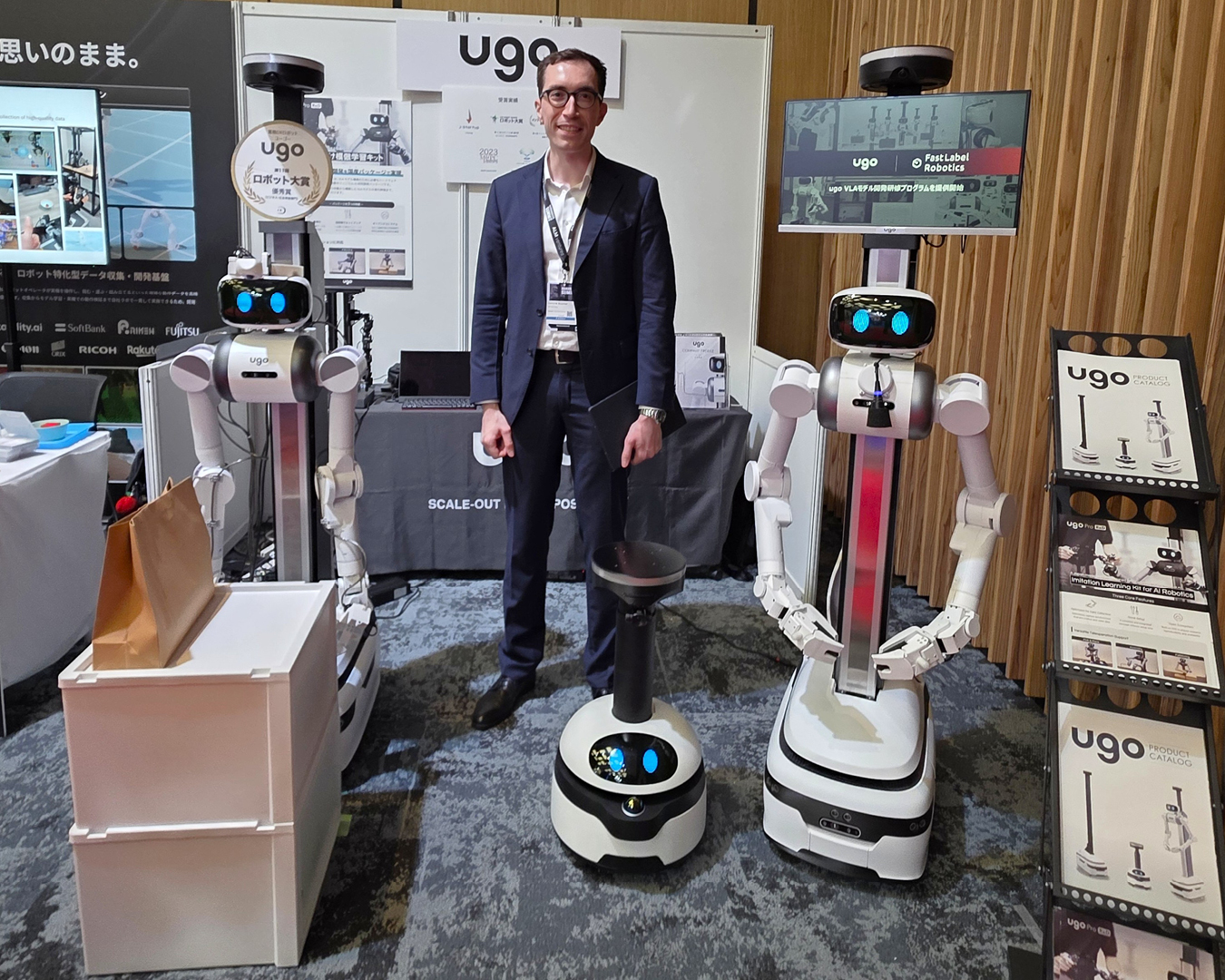
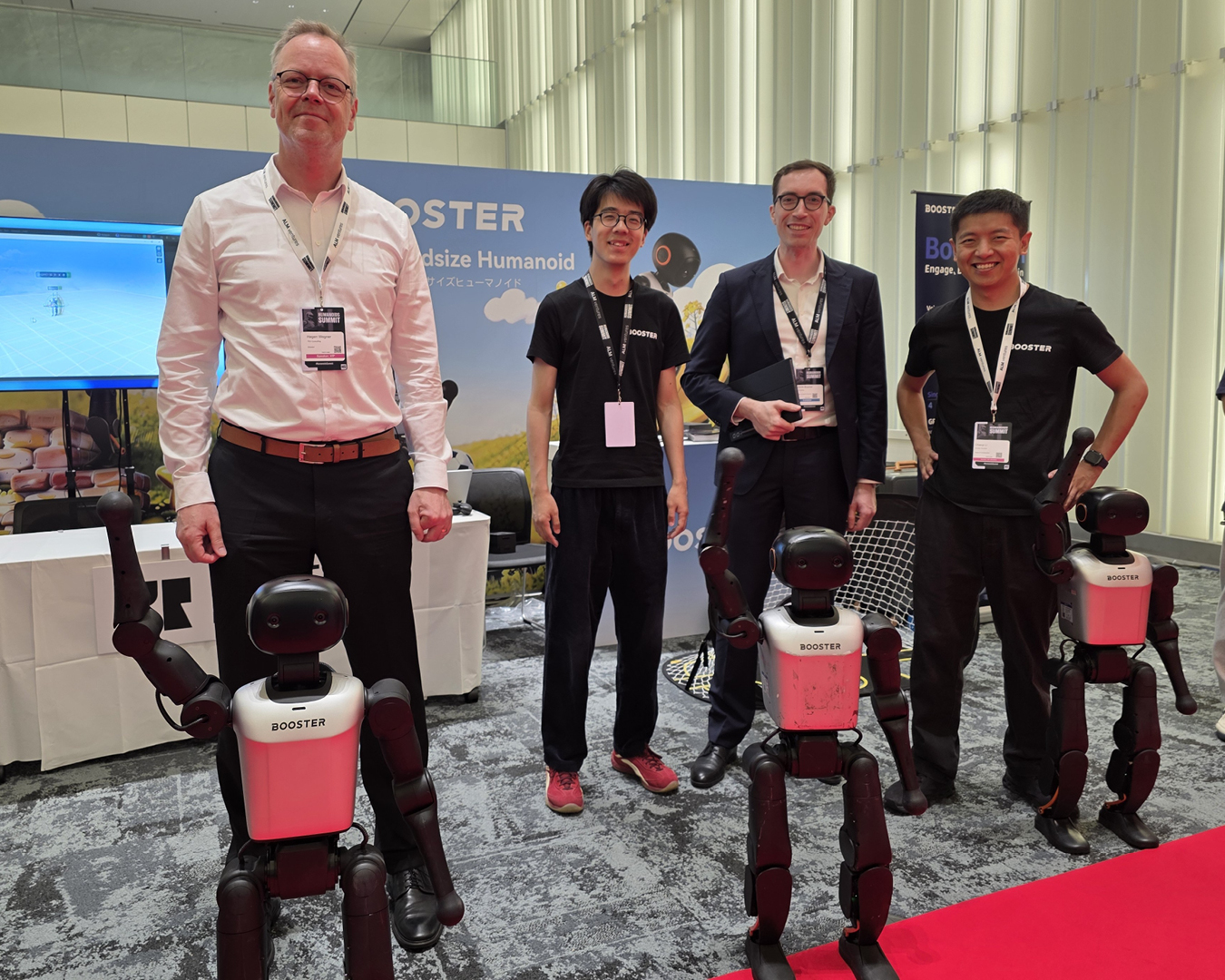
Among the humanoid OEMs, the Japanese player 'ugo' and leading Chinese companies such as Booster Robotics, LimX, Robotera, and Unitree were present. ugo showcased its made-in-Japan wheeled humanoid platform with built-in imitation learning capabilities. Chaoyi Li (Booster Robotics) highlighted the increasing deployment of their smaller robots in educational settings, enabling younger generations to learn robot programming.
New! 2026 Humanoid
Robot Market Report
198 pages of exclusive insight from global robotics experts — uncover funding trends, technology challenges, leading manufacturers, supply chain shifts, and surveys and forecasts on future humanoid applications.

now Google DeepMind
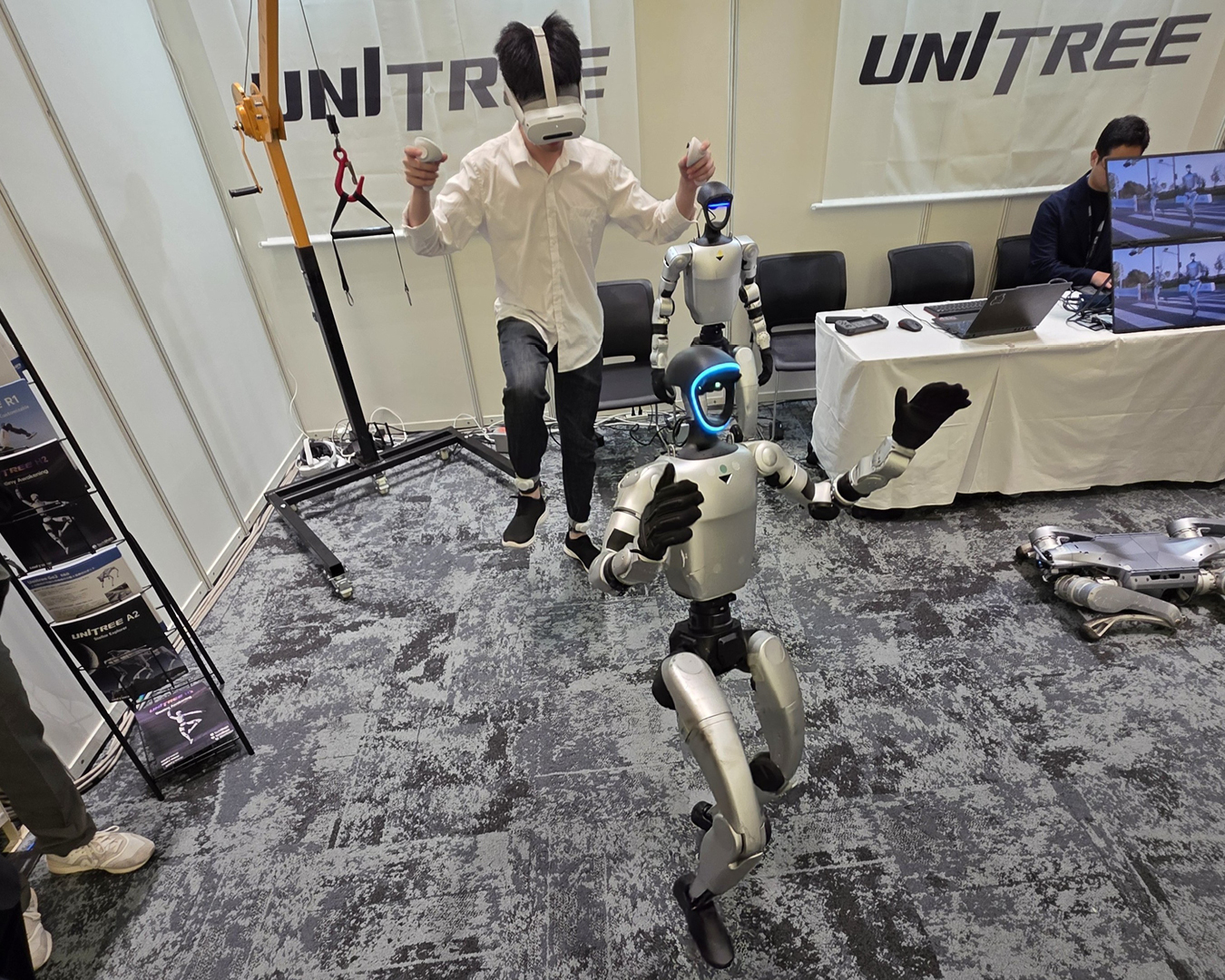
Letian Wang (Robotera) showcased one of the company's torso robots, which is already deployed across multiple logistics centers for package sorting. Unitree demonstrated full-body teleoperation using its G1 platform, paired with a Pico VR headset and motion trackers.
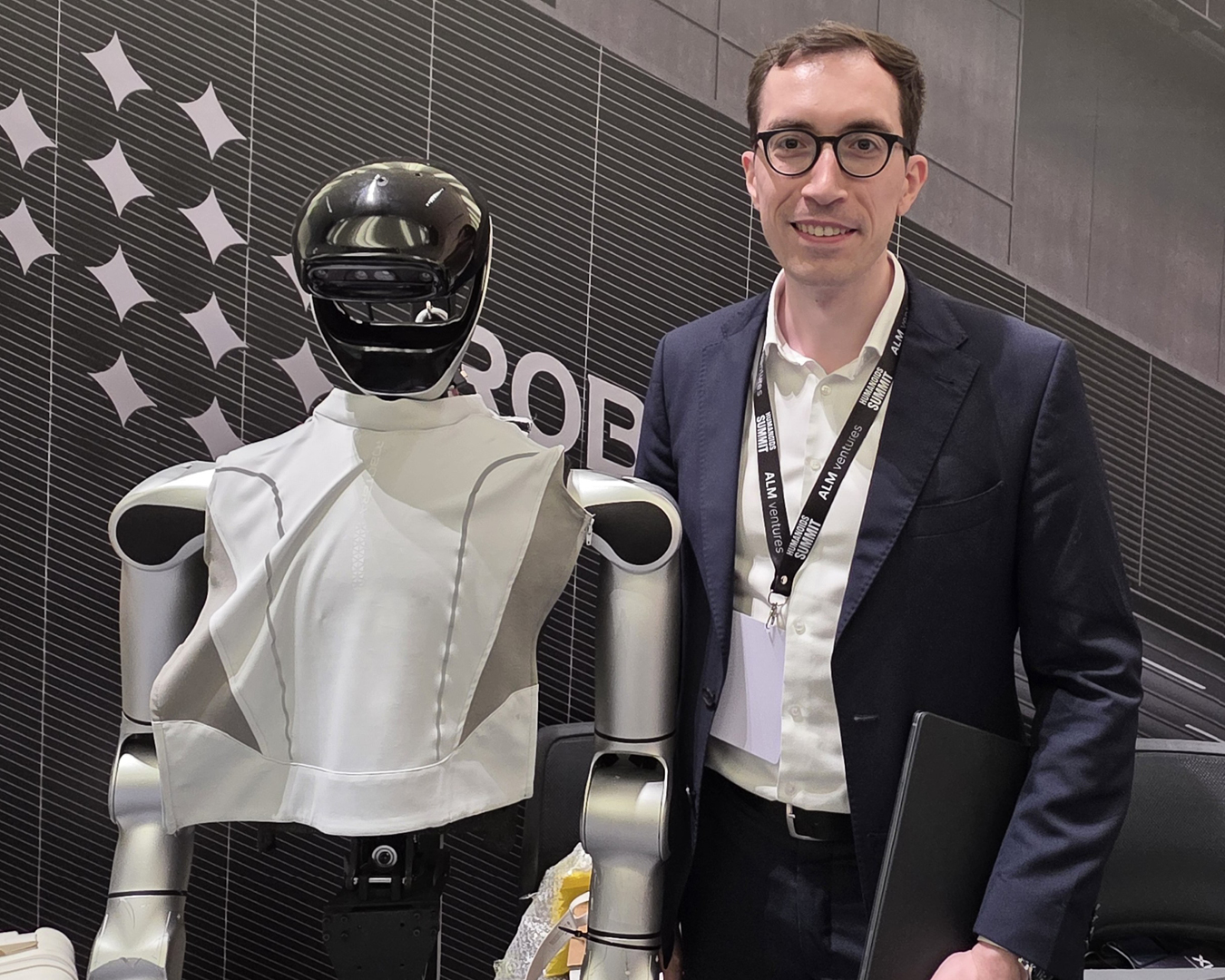
Regarding software and deployment, RLWRLD introduced its RLDX-1 multi-stream action transformer, combining motion awareness, long-term memory, and physical sensing, and showcased it in a pick-and-place demonstration using a Rainbow Robotics humanoid equipped with a Wuji hand. Japanese internet company GMO complemented this with its own pick-and-place demonstration featuring the Unitree G1.
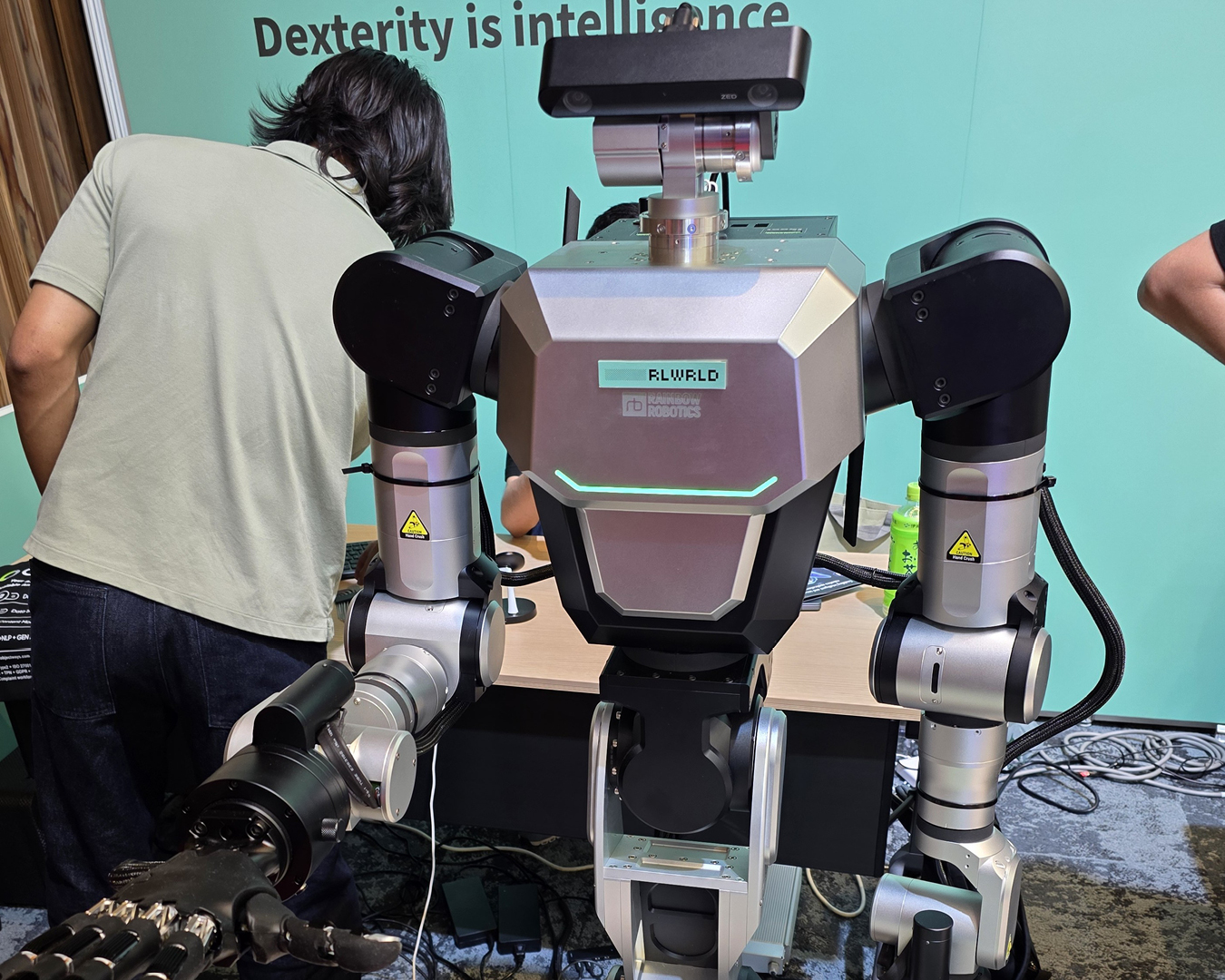
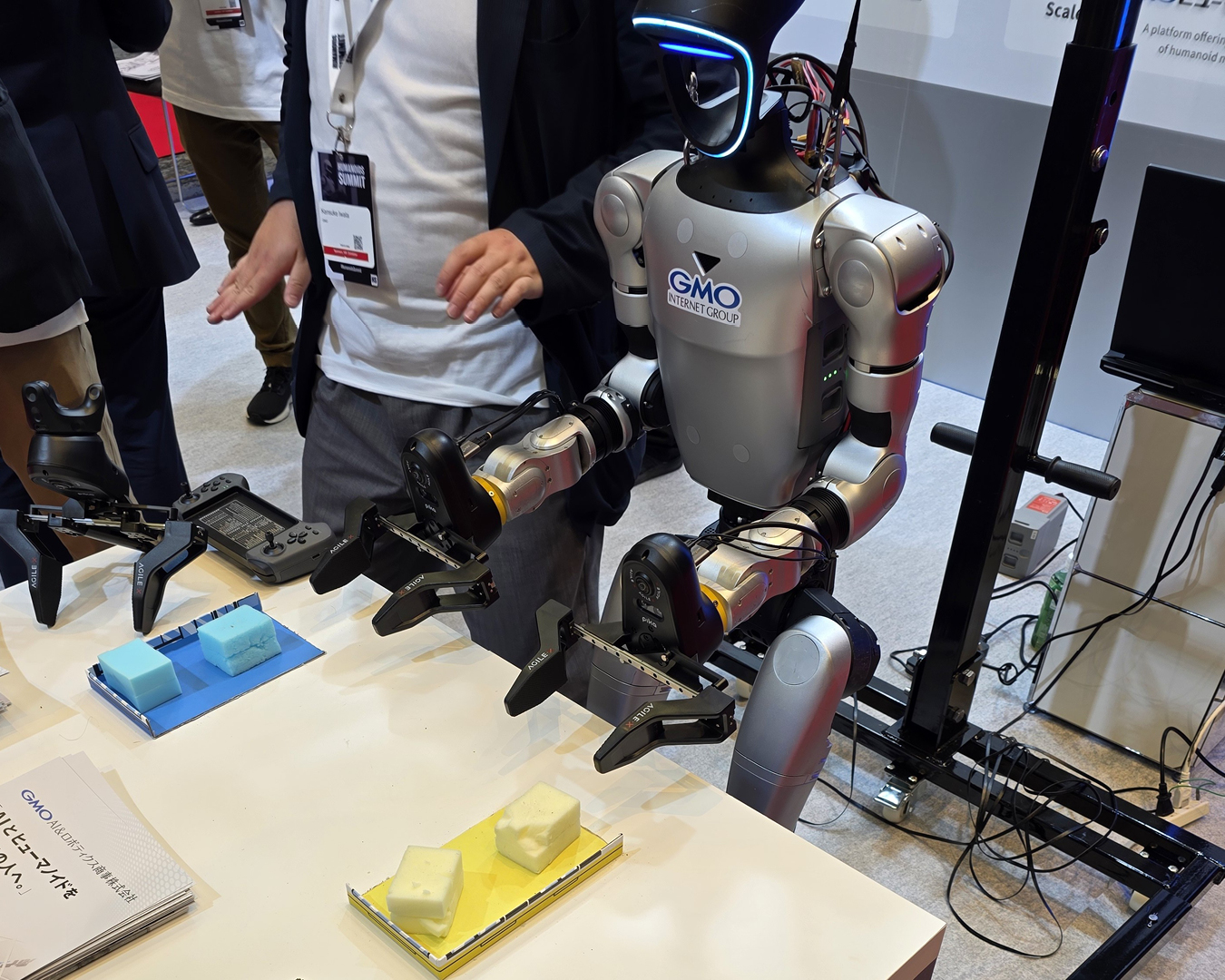
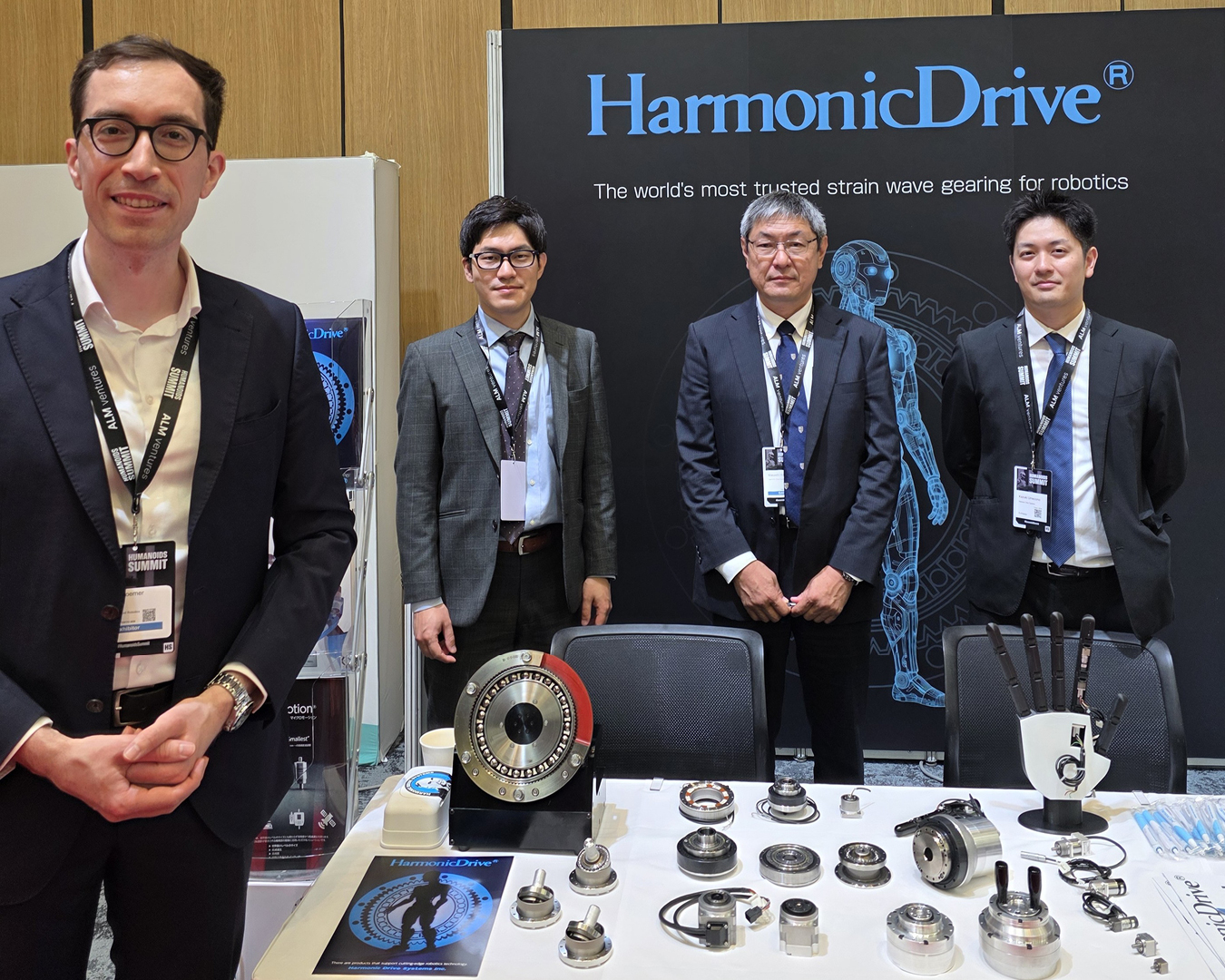
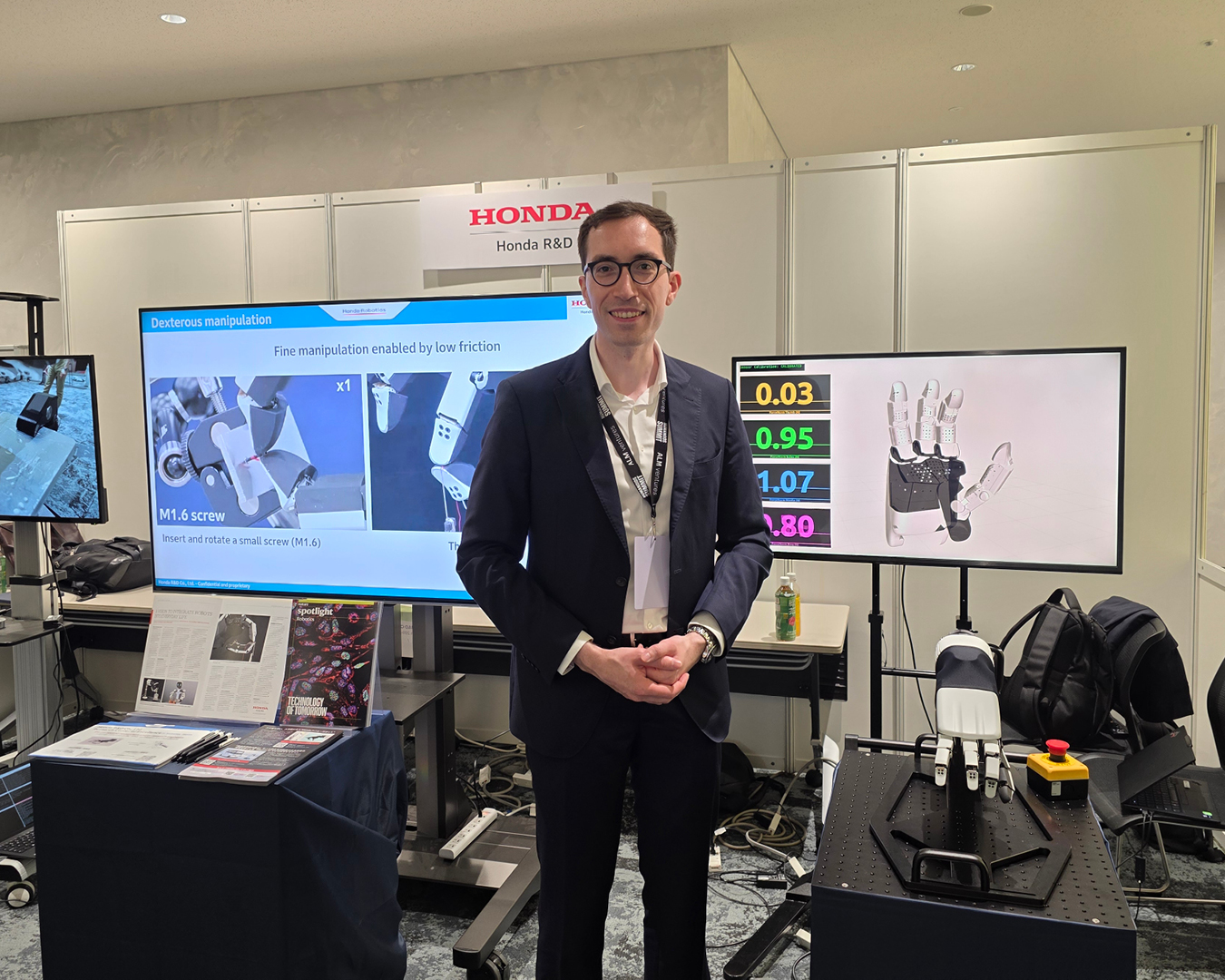
Alongside humanoid OEMs and software providers, a range of component and material suppliers showcased their technologies. Harmonic Drive, Johnson Electric, Panasonic, and Synapticon presented gear systems, actuators, and safety controls. Panasonic highlighted the rapid pace of development: while its actuator was still 3D-printed at the previous Humanoids Summit, it is now deployed in a functional robotic arm. Honda demonstrated a 16‑DOF robotic hand with up to 50 N continuous fingertip force, enabling highly precise tasks such as threading a needle, supported by 288 channels of tactile sensing.
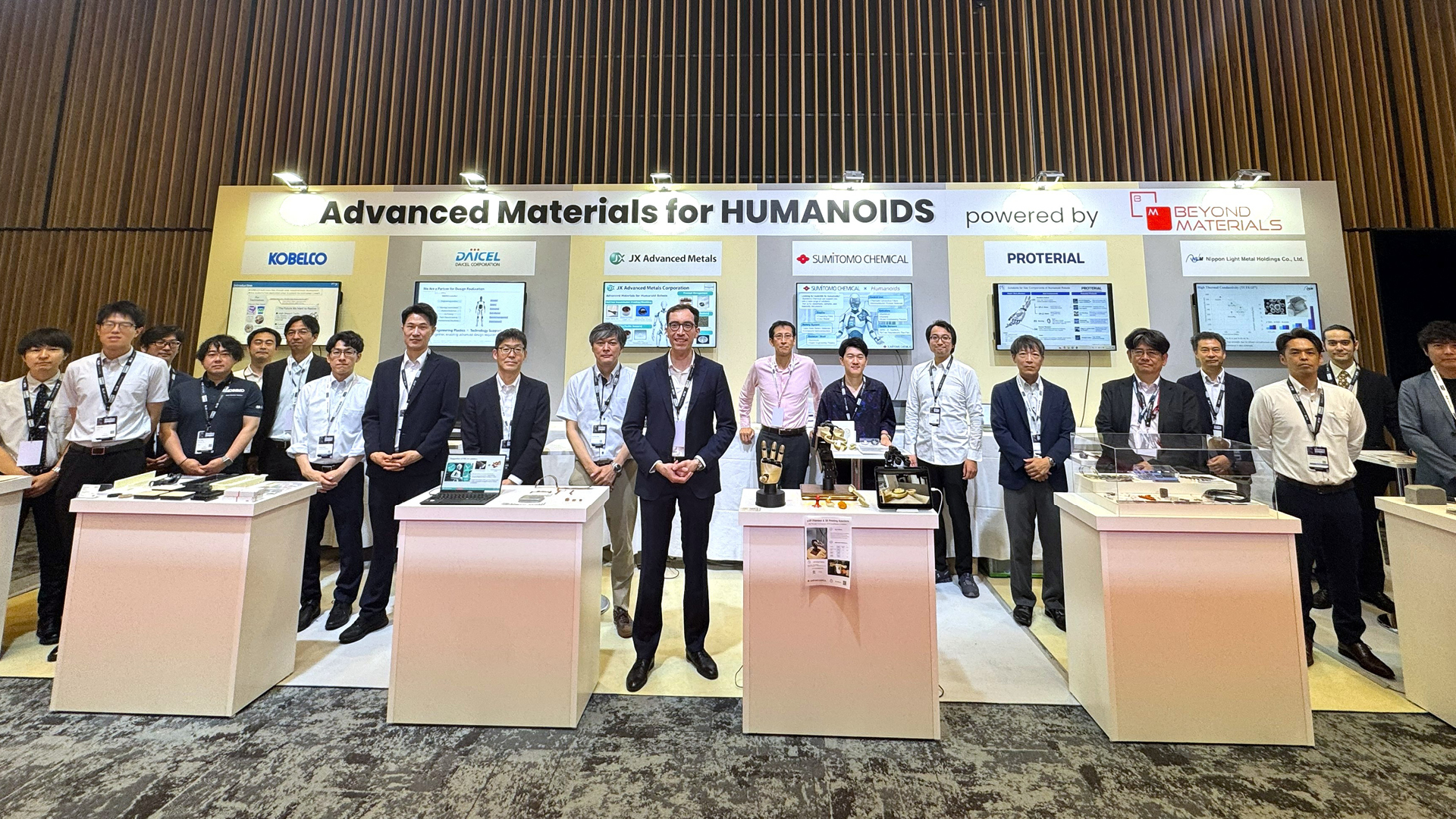
Finally, six material suppliers showcased advanced humanoid-focused materials at a joint booth organized by Beyond Materials, the Mitsubishi Corporation-FEV Consulting joint venture. Exemplary highlights included:
- Holo-pole magnetic structures for high-torque-density actuators (Kobelco)
- High-performance polymers, e.g., for structural housing components (Daicel)
- Flexible printed circuit materials, e.g., for robotic hands (JX Advanced Metals)
- High-strength, low-expansion 3D printing materials, e.g. for precision grippers (Sumitomo Chemical)
- Nd-Fe-B sintered magnets and Permendur cores for actuators (Proterial)
- Aluminum powder, e.g., for 3D-printed cooling structures (Nippon Light Metal)
The next Humanoids Summit will take place on December 1–2, 2026, at the San Mateo Event Center in Silicon Valley.
New! 2026 Humanoid
Robot Market Report
198 pages of exclusive insight from global robotics experts — uncover funding trends, technology challenges, leading manufacturers, supply chain shifts, and surveys and forecasts on future humanoid applications.
now Google DeepMind