Unitree launches dual-arm humanoid robot starting at 26,900 yuan (about $4000)
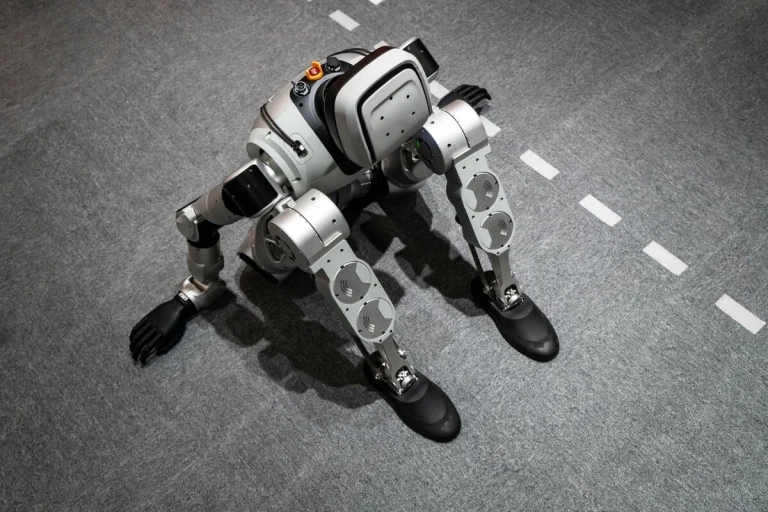
Unitree launched a dual-arm humanoid robot on April 30, according to Gasgoo, adding a new manipulation-focused platform to its humanoid portfolio. Starting at 26,900 yuan, the system combines interchangeable end-effectors, binocular vision computing, and multiple arm configurations, making the launch notable for its emphasis on flexible upper-body work rather than a single fixed robot format.
What the dual-arm humanoid robot includes
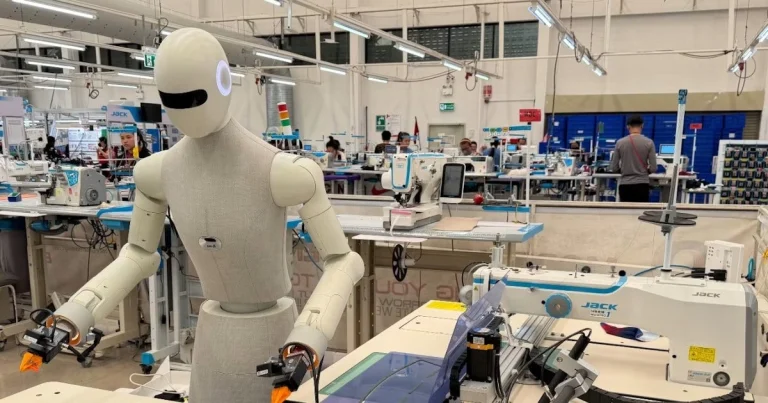
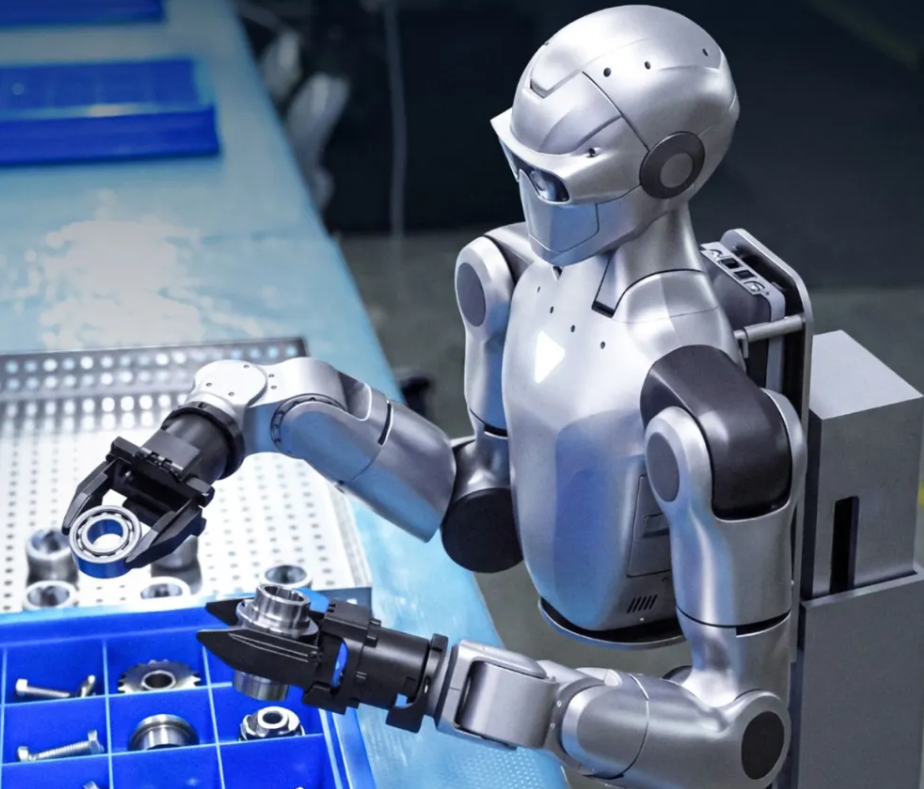
The new platform is designed for upper-body manipulation. Gasgoo reports that it supports 15 to 31 degrees of freedom, with arm configurations available in either 5×2 or 7×2 layouts.
Its lower section can be configured in two ways, either as a fixed base or as a mobile chassis. That means the same upper-body system can be deployed without committing to a full legged body, a detail that distinguishes this product from many humanoid announcements that center primarily on locomotion.
Unitree has also built compute into both the torso and head. According to the source, both modules are equipped with 8-core CPUs, while the head module provides 10 TOPS of computing power.
Manipulation options and system design
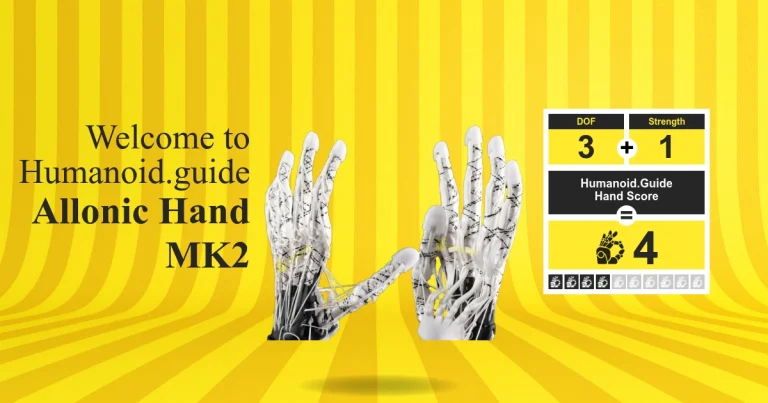
The robot uses interchangeable end-effectors, allowing different dexterous hand types to be fitted to the arms. Official demonstrations cited by Gasgoo showed two-finger, three-finger, and five-finger hand options.
That modular hand approach suggests Unitree is treating manipulation hardware as a configurable part of the platform rather than a single fixed specification. A simpler gripper style can support basic grasping, while multi-finger hands point to more complex handling, although the source does not specify target applications, payloads, or control modes.
The overall design places the emphasis on vision, arm motion, and hand selection. While Unitree describes it as a humanoid robot, the available lower-body options indicate that the company is also positioning the system for settings where a stationary base or wheeled mobility may be more practical than a bipedal form.
Unitree links product launch to a larger expansion plan
The launch comes as Unitree advances a broader capital and manufacturing plan. Separately, the Shanghai Stock Exchange formally accepted the company’s application for an initial public offering on the STAR Market on March 20, according to the report.
Unitree aims to raise 4.202 billion yuan through the IPO. The company said the proceeds will support four initiatives, intelligent robot model research, robot body development, new product creation, and construction of a manufacturing base.
Taken together, the product release and IPO plan show Unitree pursuing both near-term product expansion and longer-term scale-up. What remains unclear is how the dual-arm humanoid robot will be positioned across research, industrial, or service environments, since the source does not detail customers, software capabilities, or deployment timelines beyond the April 30 launch. Even so, the combination of configurable manipulation hardware and new funding plans points to a company trying to widen its humanoid offering while investing in the next stage of model development and production capacity.
Source: autonews.gasgoo.com