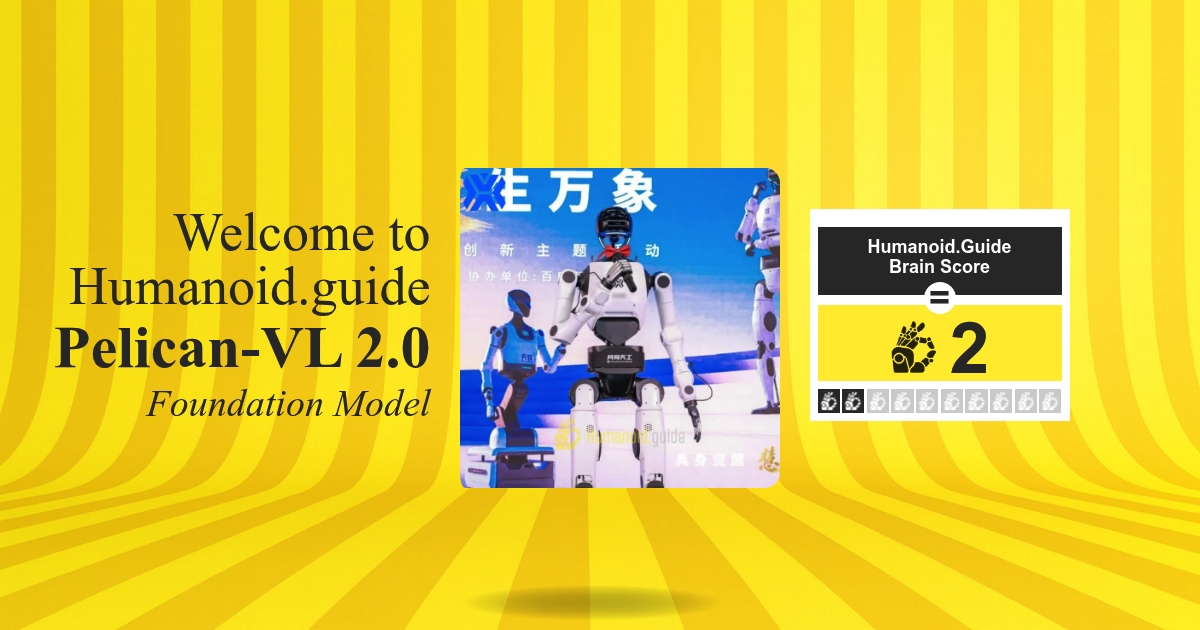
Welcome, Pelican VL 2.0!
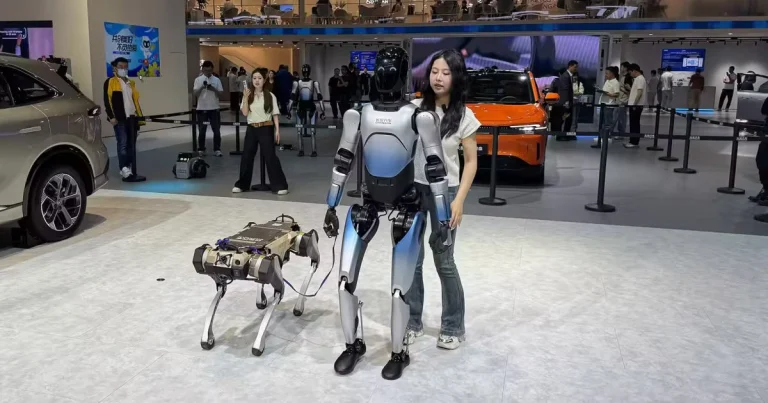
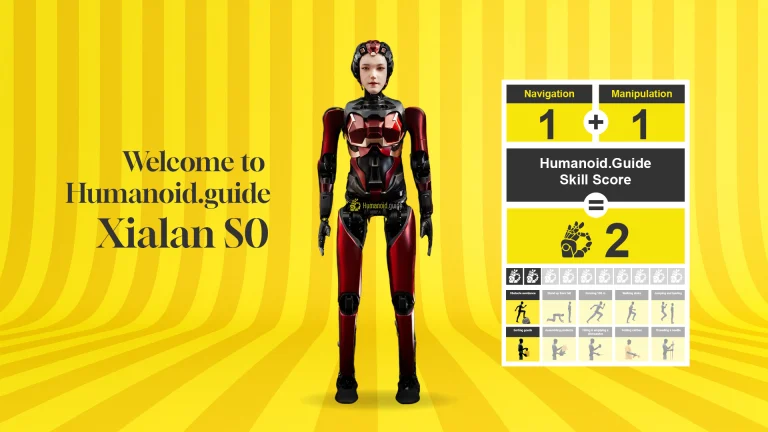
Pelican VL 2.0 is an embodied AI foundation model developed by the Beijing Humanoid Robot Innovation Center, also known as X Humanoid. It is software rather than a physical robot, occupying the brain layer of a robotics system instead of serving as its mechanical body or motor controller. The model belongs to the same development ecosystem as the center’s Tiangong humanoid robots, while remaining distinct from the hardware and movement systems those machines require. Its Brain Score of 2 out of 10 places it in the early stage category, making a preliminary assessment more appropriate than claims of mature autonomy. The release follows Pelican VL 1.0, which the team introduced in late 2025. Version 2.0 is listed with an August 20, 2026 release date and an unveiling at the World Robot Conference in Beijing. Its identity is therefore best understood as an emerging software offering within a broader embodied robotics program, not as a standalone humanoid or a complete replacement for robot control infrastructure.
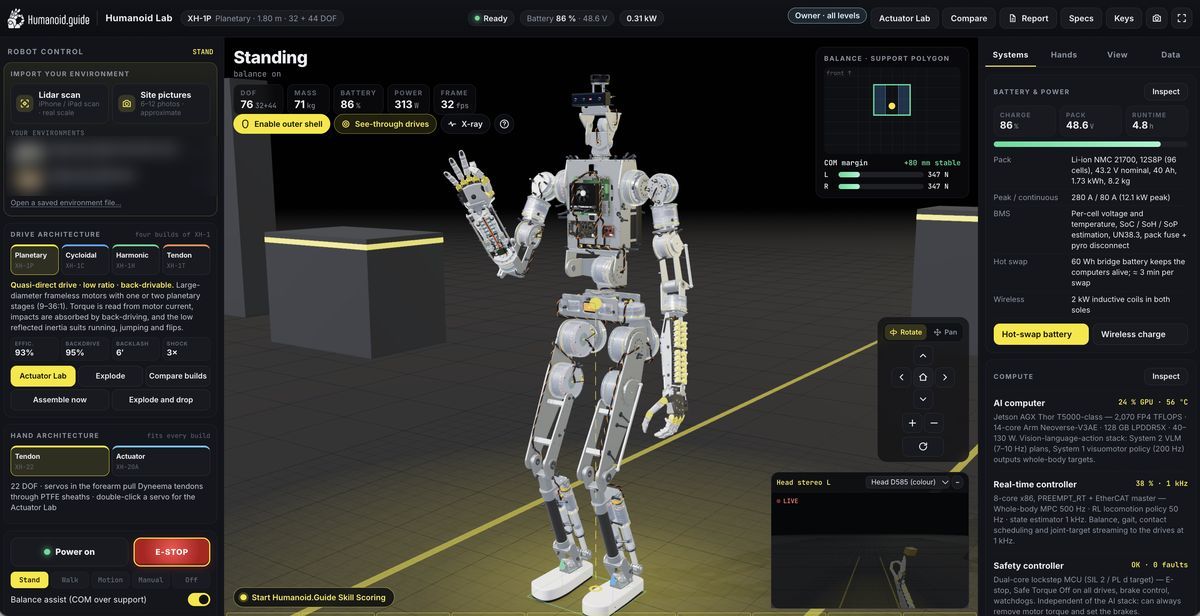
The central technical distinction is the separation between the foundation model and the controller responsible for physical movement. This division matters when evaluating a robot system: the software brain, motion controller, sensors and mechanical platform are separate components whose integration determines the overall result. A deployment assessment should therefore distinguish model performance from hardware performance rather than treating them as interchangeable. For organizations considering embodied AI, relevant evaluation questions include compatibility with an existing control stack, the boundaries between software components and the conditions under which the integrated system is tested. The early stage score supports a measured evaluation approach, with application requirements and demonstrated results taking priority over broad assumptions about autonomy.
X Humanoid lists Pelican VL 2.0 as a commercial service intended for use by other companies, extending its positioning beyond the center’s own Tiangong ecosystem. The listing also marks it as available on backorder. Its displayed price of zero should not be treated as a confirmed commercial deployment cost, since service access and contractual terms are separate considerations. The broader significance lies in the packaging of a robotics foundation model as an offering that organizations can consider alongside their existing hardware and control infrastructure. That commercial direction connects the center’s internal robotics development with potential external adoption, while the preliminary Brain Score keeps expectations proportionate to its assessed stage of development.