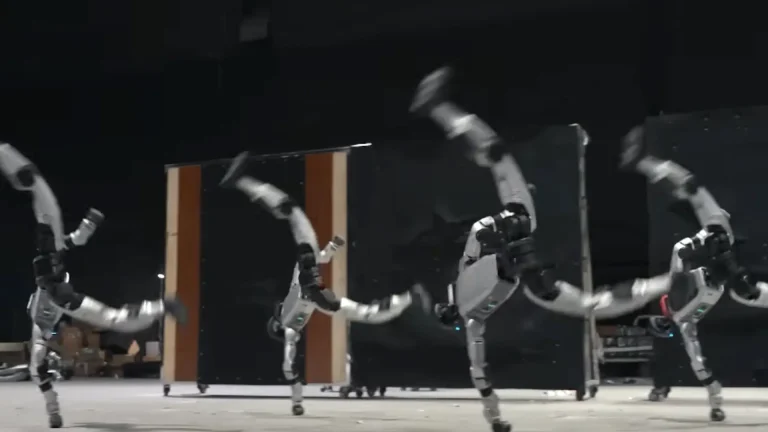

Meta humanoid robotics push deepens with ARI AI startup deal
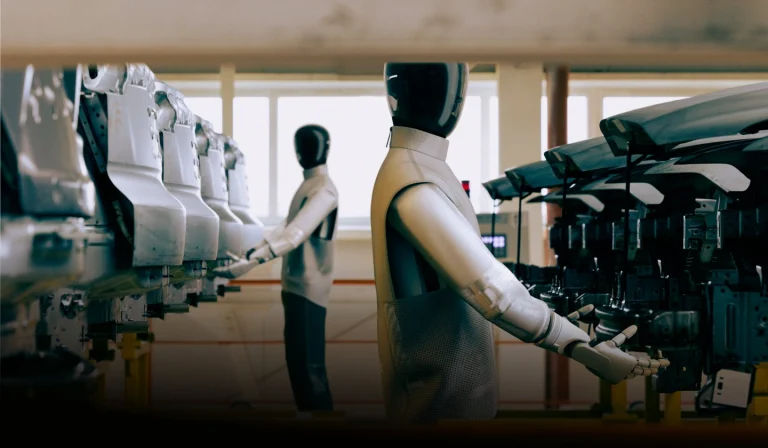
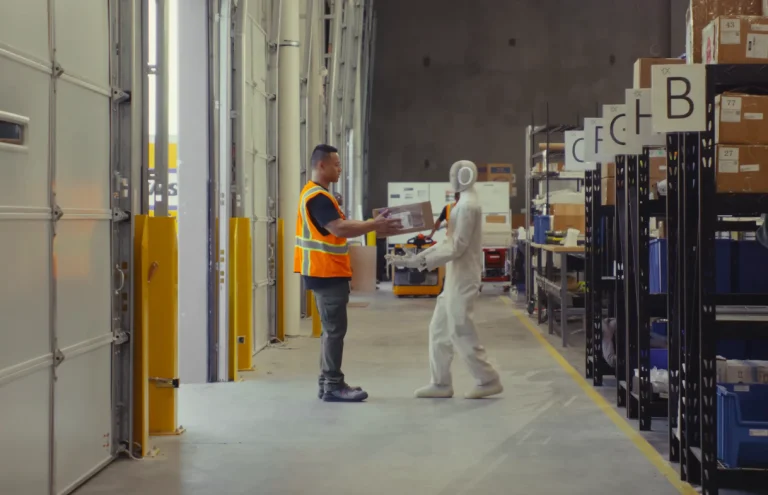
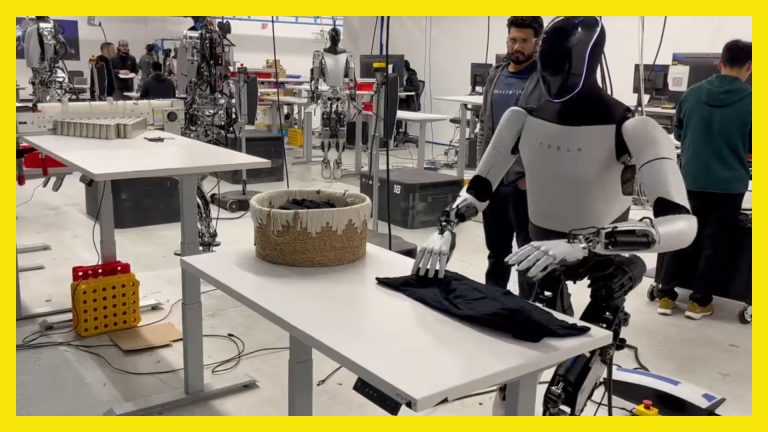
Meta said Friday it had acquired Assured Robot Intelligence, a San Diego based startup developing AI models for humanoids, expanding its Meta humanoid robotics effort. The acquisition adds a small specialist team working on dexterity, manipulation, and behavior prediction, capabilities that are central if humanoid systems are expected to handle real objects and operate around people in changing environments.
Meta humanoid robotics adds a software specialist
According to the Business Insider report republished by AOL, Meta and AIX Ventures confirmed the acquisition, while Bloomberg first reported it. AIX Ventures was the first institutional investor to commit to ARI when the startup was founded last May. Meta and AIX Ventures declined to comment on the size of the transaction, and the startup has about 20 employees.
Meta described ARI as a company working at the frontier of robotic intelligence. In a statement carried by the report, a Meta spokesperson said the startup was designed to enable robots to "understand, predict, and adapt to human behaviors in complex and dynamic environments." That description is particularly relevant to humanoids, which are often framed as general purpose machines that must function in spaces, workflows, and edge cases shaped by human activity rather than tightly controlled industrial cells.
ARI’s focus on dexterity and manipulation
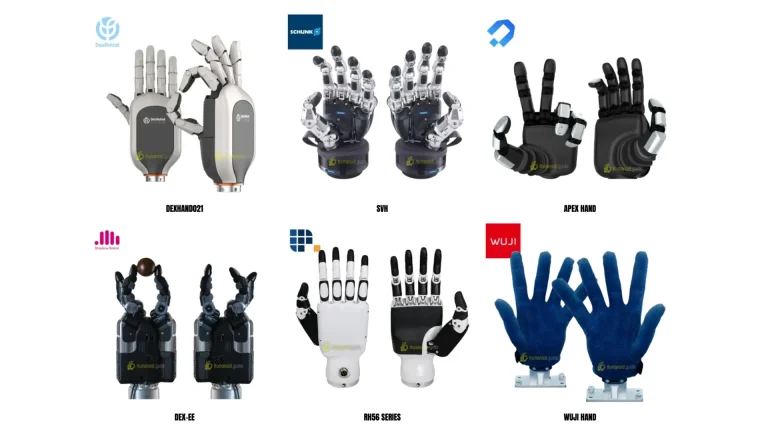
Nick Crance, a partner at AIX Ventures, told Business Insider that ARI is focused on high precision dexterity and manipulation. In practical terms, that means work on the perception, control, and planning needed for a robot to grasp, reposition, and use objects with consistency. Those abilities remain a major bottleneck in humanoid robotics, because a humanlike form factor is only commercially useful if the system can reliably interact with tools, packaging, containers, and other everyday items.
That emphasis helps explain why Meta would target a software startup rather than announce a robot platform of its own. Hardware for humanoids continues to improve across the sector, but useful deployment still depends on whether a machine can cope with variation in object shape, placement, and human motion. A team focused on dexterity and adaptive behavior can therefore affect the practical value of a humanoid system more than another incremental hardware prototype.
ARI’s founders also bring credentials that fit that problem set. Cofounder Xiaolong Wang was a researcher at Nvidia and is a member of the electrical and computer engineering faculty at the University of California, San Diego. Lerrel Pinto, ARI’s CEO, cofounded Fauna Robotics and is a computer science professor at New York University. The report said the startup was led by two roboticists with strong academic backgrounds, an increasingly common pattern among companies trying to build the intelligence layer for general purpose robots.
Competition for the humanoid intelligence layer
ARI is part of a broader group of companies trying to supply the software brains for robots rather than the robot bodies themselves. The report names Physical Intelligence, Generalist AI, and Genesis AI as startups focused on intelligence systems that can support different robot form factors, including humanoids. That matters for the market because many developers now see reusable perception and action models as a way to shorten training cycles and reduce the amount of task specific engineering needed for each deployment.
Meta’s interest in the area predates this deal. Business Insider previously reported that the company formed a robotics group within Reality Labs in 2025. Since then, Meta has added leadership and expanded the hardware team for Meta Superintelligence Labs, a separate division that the report says is becoming increasingly intertwined with Reality Labs through AI hardware and robotics.
The acquisition suggests Meta is trying to fill core capability gaps in humanoid development through talent and software, not only through internal hiring or broad AI research. What remains unclear is how ARI’s models will be integrated, whether as internal research infrastructure, a foundation for future robot programs, or both. For the humanoid sector, the move is another sign that competition is moving deeper into the stack, where dexterity, adaptability, and human aware behavior may determine which platforms become operationally useful.
Source: aol.com