G1 humanoid robot draws attention at China’s major AI conference
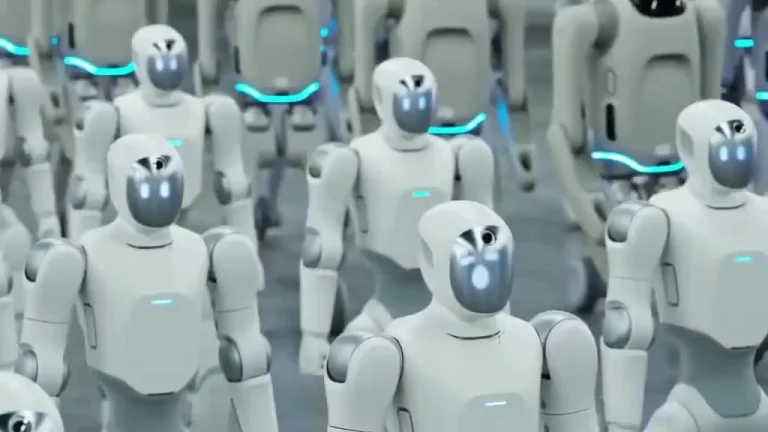
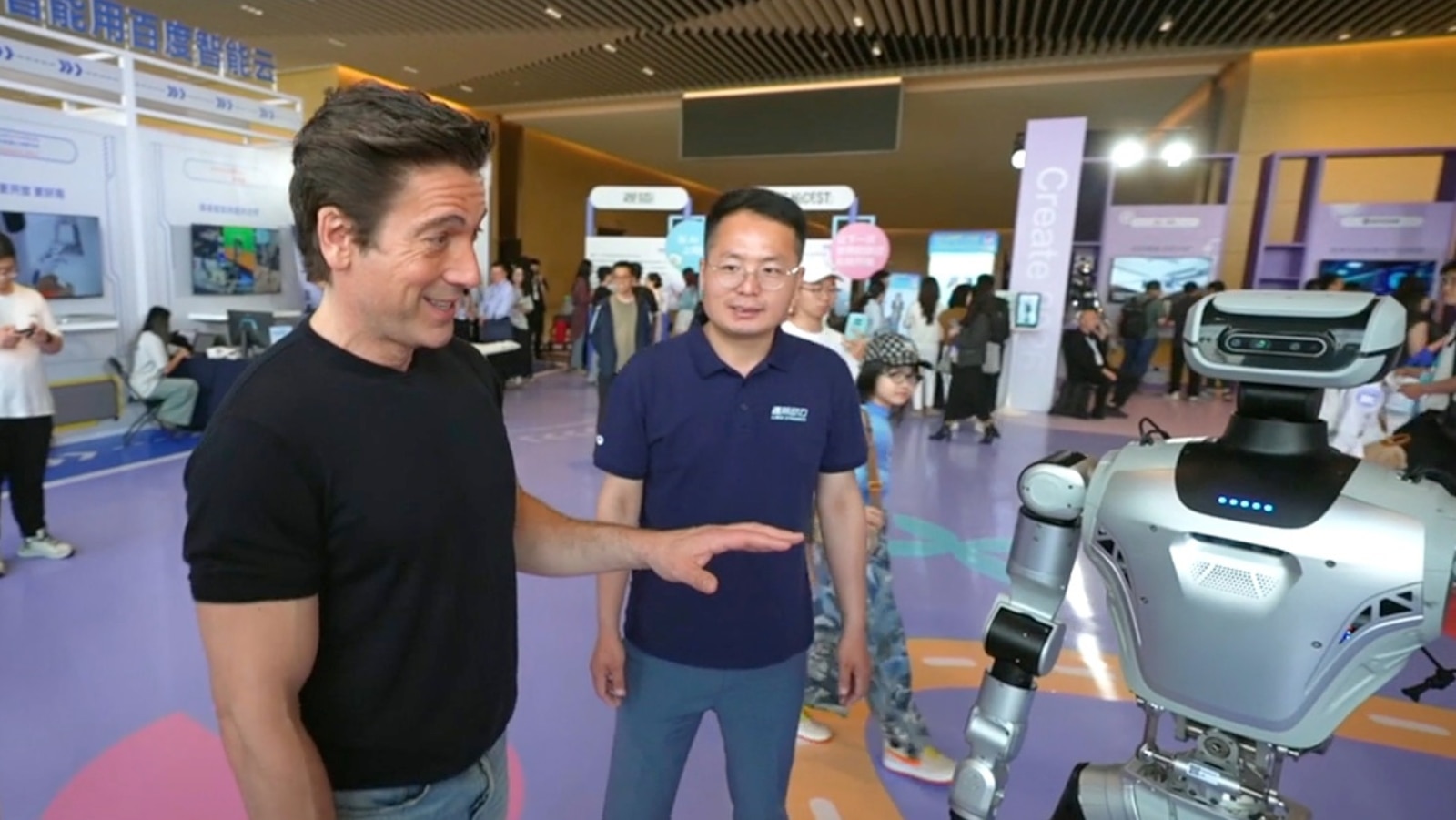
At one of China’s biggest AI developer conferences, a G1 humanoid robot called Oli was shown performing whole-body motions and presented as a future household and factory assistant, according to ABC News. Published on May 14, the report placed the machine within a wider contest over who is setting the pace in commercial humanoid robotics.
What the G1 humanoid robot demonstrated
ABC News reported that Oli stands 5 feet 5 inches tall and weighs 121 pounds. Developers said the robot is being programmed for domestic tasks including folding clothes, washing dishes, cleaning the house, and making the bed.
The report identified Oli in the article text as Limx Dynamics’ G1 humanoid robot. However, one of the image captions described the machine as Unitree’s G1, leaving the company attribution unclear within the source itself. What is clear from the report is the product category and intended positioning: a general-purpose humanoid being trained for work that blends mobility, manipulation, and recovery behavior.
Mobility tests and whole-body control
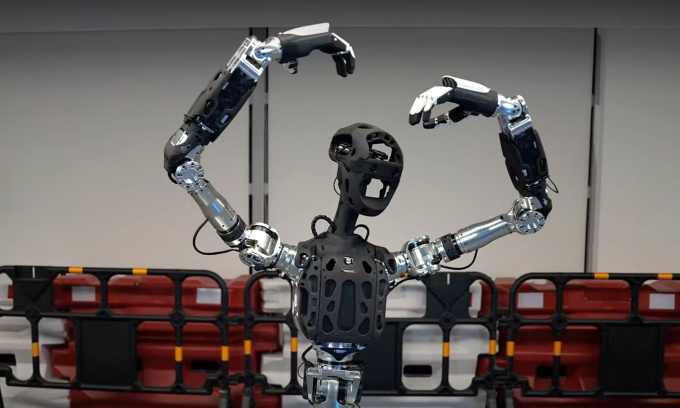
A central point in the demonstration was the robot’s ability to mimic human waist and hip movement. ABC News said that capability allows Oli to lie down, sit up on its own, and return to a standing posture, a set of motions that matters because many humanoid systems still struggle with recovery once they leave a narrow operating envelope.
Developers also told ABC News that the robot had undergone harsher mobility tests beyond the conference floor. Those included walking through deep snow in northwestern China in arctic-level temperatures, as well as moving on rollerblades and ice skates. The source did not provide performance metrics, but the examples suggest the emphasis is not just hand task automation, but full-body balance and adaptation across varied terrain.
China’s humanoid robot push comes into focus
The ABC News report framed the appearance of the G1 humanoid robot as part of a broader US-China competition in AI and robotics. It also said some estimates put Chinese humanoid robots at nearly 80% of worldwide sales, though the article did not cite a named market study for that figure. Even with that limitation, the report reflects a widely held industry view that China is moving quickly to turn humanoid development into a manufacturing and export advantage.
Developers quoted in the story argued that robots like Oli are meant to take on some human work rather than replace people entirely. That distinction matters because the tasks highlighted, home chores and factory labor, are both areas where reliability, safety, and operating speed determine whether a humanoid is useful outside a demo. The report itself acknowledged current limits in a simple way, noting that a person could still fold clothes faster than the robot.
ABC News also said that Limx Dynamics had revealed a newer model, the GD-01, this week. According to the report, that machine can transition from two to four legs and carry a human, indicating that developers are exploring different mobility formats even as humanoid form factors remain the main commercial narrative. For operators and technical buyers, the bigger question is not whether these systems can impress on a show floor, but how quickly they can sustain repeatable work in homes and factories with minimal supervision.
The report offers a useful snapshot of how Chinese developers are presenting humanoids in 2026: not as single-purpose novelties, but as labor platforms expected to combine dexterity, balance, and recovery. What remains unresolved is how soon systems like Oli can move from visually compelling demonstrations to dependable deployments, where uptime, task speed, and safe operation will determine real adoption.
Source: abcnews.com