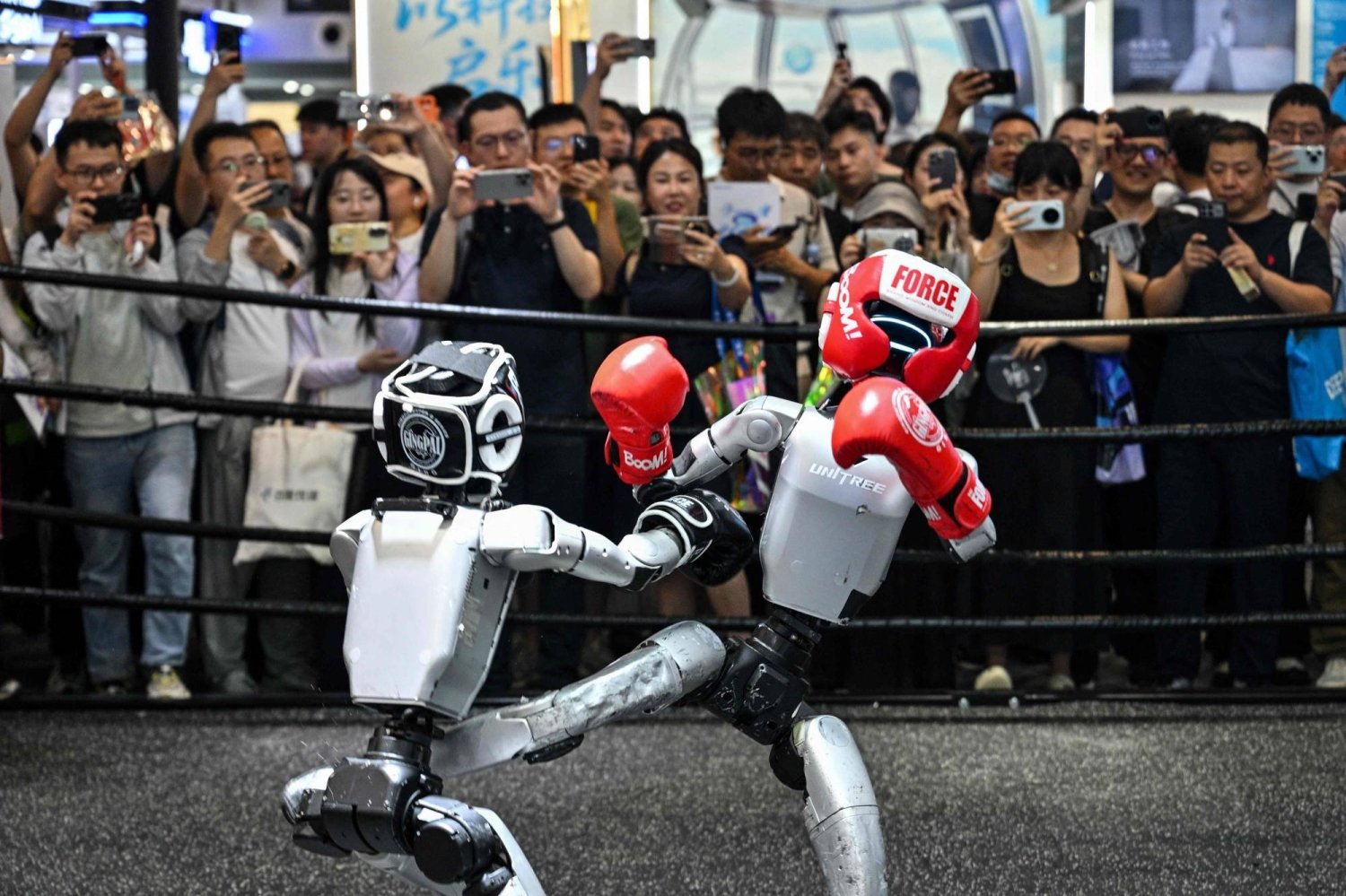
Unitree prices Shanghai humanoid IPO to raise $904 million
Chinese robot maker Unitree has priced its Shanghai initial public offering at 150.80 yuan (about $22) per share, seeking to raise 6.1 billion yuan (about $904 million) in a deal that would make it the first humanoid robot manufacturer listed on the Chinese mainland, according to Reuters in a report published by The Japan Times.
The Unitree humanoid IPO drew extraordinary retail demand. Unitree said the retail tranche was more than 8,000 times oversubscribed. The pricing values the company at 219 times its 2025 earnings and 36 times sales, figures that show how far investor appetite for humanoid robotics has run ahead of conventional hardware multiples.
Investor demand runs ahead of operating detail
The scraped article does not provide shipment figures, margins, model specifications, or a breakdown of humanoid revenue versus other robotics lines. For robotics operators, that limits what can be inferred from the IPO beyond capital market demand. The hard facts in the report are financial: price, proceeds, oversubscription and valuation.
Still, the listing route is significant for the sector. Public equity can give a humanoid maker a larger balance sheet for supply chain investment, manufacturing capacity and hiring, if the offering closes as described. It also gives domestic investors a pure public proxy for a category that has mostly been funded through private rounds and state backed industrial policy.
A crowded listing race in China
Reuters framed Unitree as leading several Chinese robotics companies toward public listings. The article does not identify those other companies in the accessible text, and it does not claim that Unitree’s humanoids have reached large scale commercial deployment. The available evidence points to a market financing story rather than a new robot capability disclosure.
The valuation leaves a narrow margin for execution misses. At 219 times 2025 earnings, Unitree’s public market debut will be judged less on demonstration visibility and more on whether it can turn humanoid demand into repeatable production, sales and support economics.
Source: japantimes.co.jp