Catalyst Brands deploys Figure AI humanoid robots at Reno DC
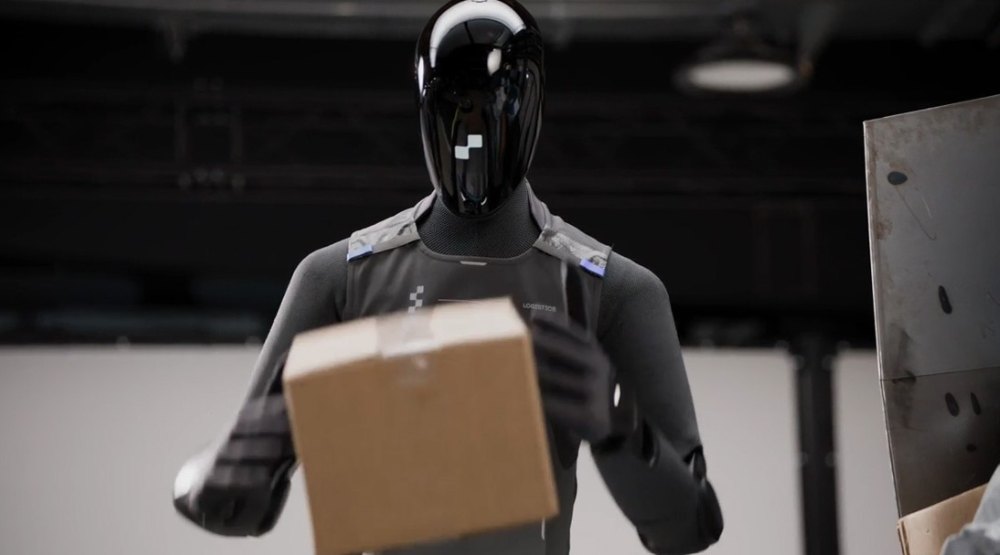
Catalyst Brands has partnered with Figure AI to put Figure AI humanoid robots into sorting and packing work at its Reno, Nevada distribution center. Announced May 27, the deployment targets repetitive, physically demanding logistics tasks and gives the JCPenney parent a named humanoid robotics program inside a live retail facility.
Figure AI humanoid robots enter Reno operations
The partnership covers Catalyst Brands’ distribution and logistics center in Reno, where the company said the robots will help automate work now handled by people. Catalyst said the goal is to improve supply chain efficiency at the site while shifting human employees toward higher skill functions.
The facility itself is not new to automation investment. According to Home Textiles Today, the Reno site underwent a $40 million infrastructure update in 2024, and the humanoid deployment is being added on top of that broader modernization effort.
The robots will first assist employees in the facility’s Joey Pouch sorting system sequencing, which the report describes as a computerized induction, sorting and packing system. Catalyst and Figure said they will then identify additional use cases for humanoid automation across the system, although the report did not include a robot count, performance target, or rollout schedule.
Why the deployment matters in retail logistics
This is a notable use case because the first announced workflow is narrow and operationally specific. Rather than presenting a broad vision for humanoids across an entire facility, Catalyst is starting with sorting and packing work inside an existing logistics process.
That matters for robotics operators because defined tasks are easier to evaluate than open ended claims. In this case, the public framing centers on repetitive and physically demanding work, which is the type of assignment many humanoid developers are targeting as they try to move from demonstrations into commercial sites.
The announcement is also tied to a large retail holding company. Catalyst is the parent of JCPenney, Aéropostale, Brooks Brothers, Lucky Brand, and Nautica, so even a limited deployment in Reno will be watched for signs that humanoid systems can fit multi brand distribution operations without requiring a custom robot strategy for each business unit.
Figure’s broader positioning
Figure is described in the report as an AI robotics company developing autonomous general purpose humanoid robots. The article also notes that demonstration videos on Figure’s website show the robots unloading a dishwasher, making a bed, folding laundry, and tidying a living room, underscoring that the company is still presenting both industrial and home market ambitions.
For now, the Reno deployment gives Figure a concrete logistics application to point to. Marc Rosen, CEO of Catalyst Brands, said the collaboration shows how emerging technologies can modernize operations while strengthening the workforce, a formulation that positions humanoids as an addition to warehouse systems rather than a complete replacement for human labor.
Figure founder and CEO Brett Adcock framed the partnership more broadly, saying the company’s humanoids can serve as a standardized labor solution across industries. That remains a company claim rather than a verified outcome, but the Reno site gives Figure an opportunity to test whether a general purpose humanoid platform can adapt to a retail distribution environment.
What comes next for Figure AI humanoid robots
The next step is straightforward: Catalyst and Figure need to determine whether the initial Joey Pouch sequencing work expands into other parts of the operation. If the robots can move beyond a first workflow and into repeatable logistics tasks across the facility, the partnership will look more like an operational program than a contained pilot.
For the humanoid sector, the announcement adds another data point in a market that increasingly needs named customers, defined tasks, and measurable deployments. What remains unknown is scale, performance, and how quickly Figure AI humanoid robots can move from early warehouse assistance into sustained day to day production work.
Source: hometextilestoday.com