Toyota reportedly plans 400,000 humanoid factory robots
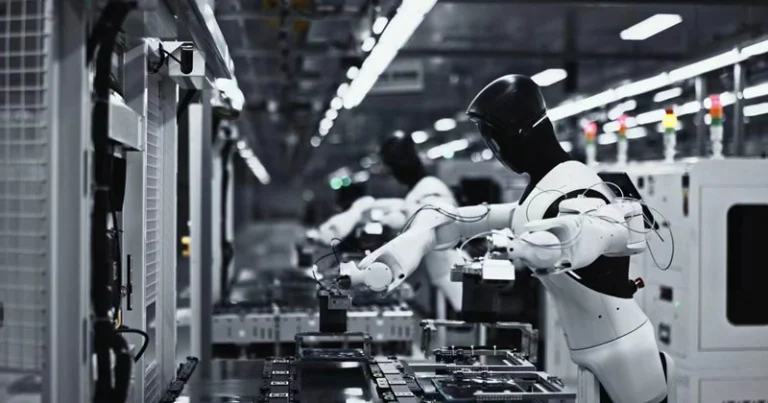
Toyota Motor Corporation reportedly plans to deploy humanoid robots across its global manufacturing operations from 2028, eventually placing as many as 400,000 machines in factories, according to Just Auto. The robots would work alongside people in the same production areas.
The scale should be treated as provisional. Just Auto attributes the figures to local reports but does not identify those reports or cite a detailed Toyota rollout document. It says Toyota plans to invest JPY 1 trillion, equivalent to $6.4 billion according to the publication, annually from 2028.
The reported deployment would begin with approximately 150,000 robots at Toyota’s headquarters plants. Another 250,000 would then be distributed across the group’s 60 production facilities worldwide. Installations would coincide with existing factory upgrades, new vehicle programs and additional production capacity.
ELEY is a wheeled factory platform
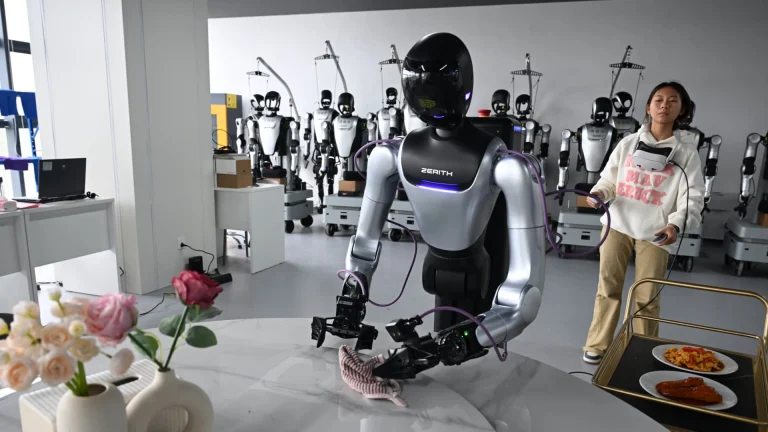
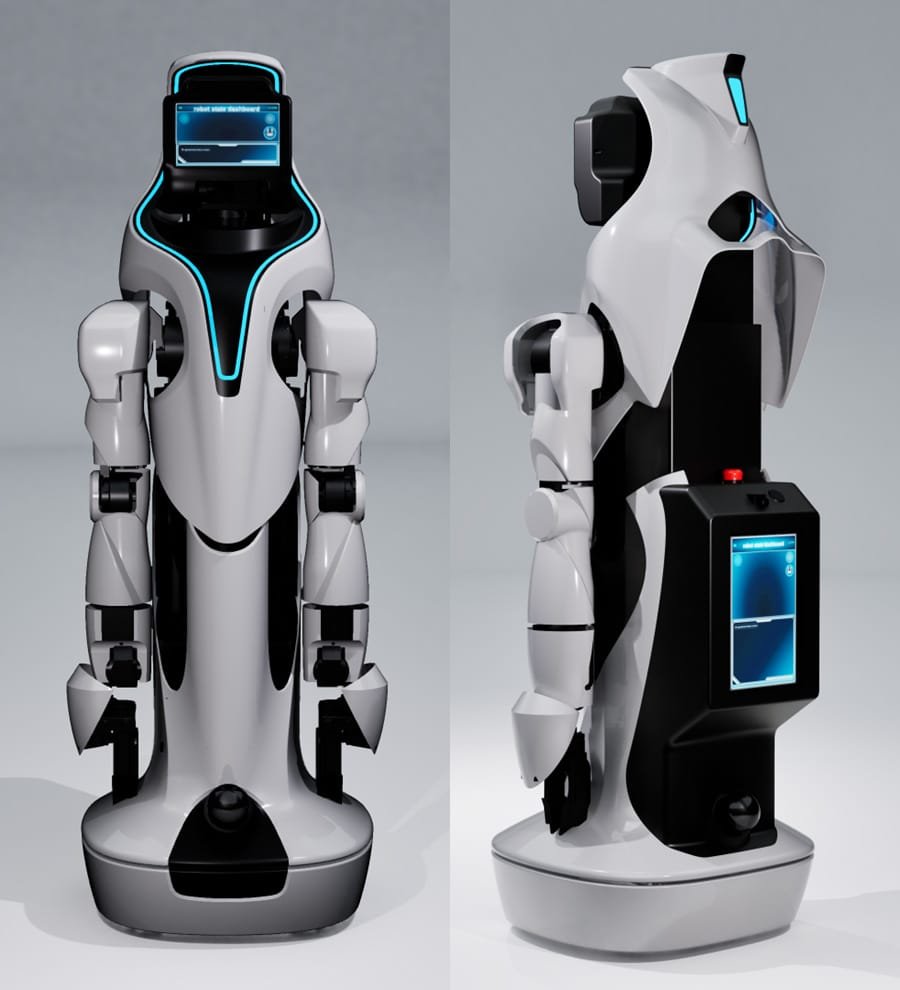
The planned fleet includes Toyota’s in house developed ELEY, short for Embodied Learning robot for Enhanced Yield. Just Auto describes it as a battery powered, wheeled humanoid weighing about 50 kg.
ELEY is reportedly being trained for factory handling tasks, including removing components from boxes and placing them where required. Folding fabrics is another cited task. The robots are currently learning movements and processes performed by production line workers, although the report does not specify their autonomy level or the method used to collect demonstrations.
Toyota plans to centralize the learned data and use it to program additional robots. The company also envisages an environment in which robots could train new employees. Toyota said that “robots are not meant to replace humans, but will coexist with humans.”
A large claim with limited supporting detail
The 400,000 unit target is the report’s most consequential claim and its least substantiated. Just Auto provides no intermediate deployment targets, manufacturing plan or division of spending between robot hardware, factory integration and supporting systems.
ELEY’s wheeled base also places it outside the narrower definition of a bipedal humanoid, despite the publication and Toyota material identifying it as a humanoid robot. The report gives no battery runtime, payload capacity, dimensions, safety specifications or detailed description of its upper body. Those details will be necessary to assess whether ELEY can operate productively in shared factory workspaces at the scale being reported.
Source: Just Auto