Robotics Summit Report Flags Humanoid Teleoperation Limits
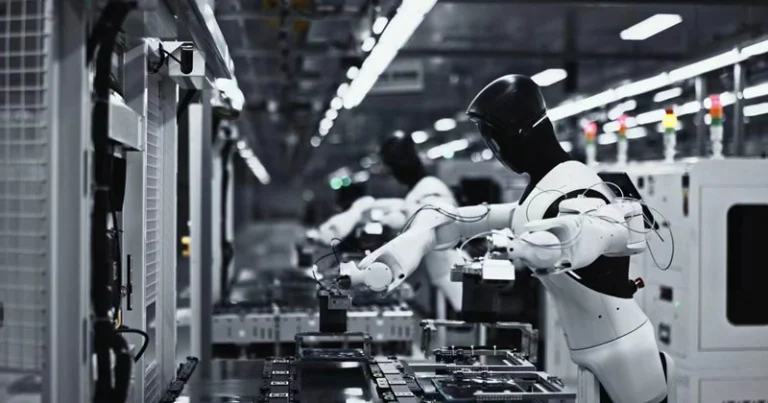
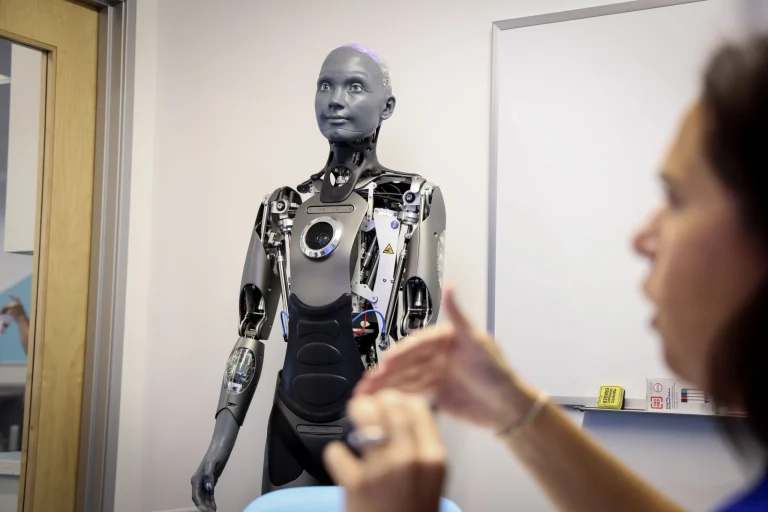
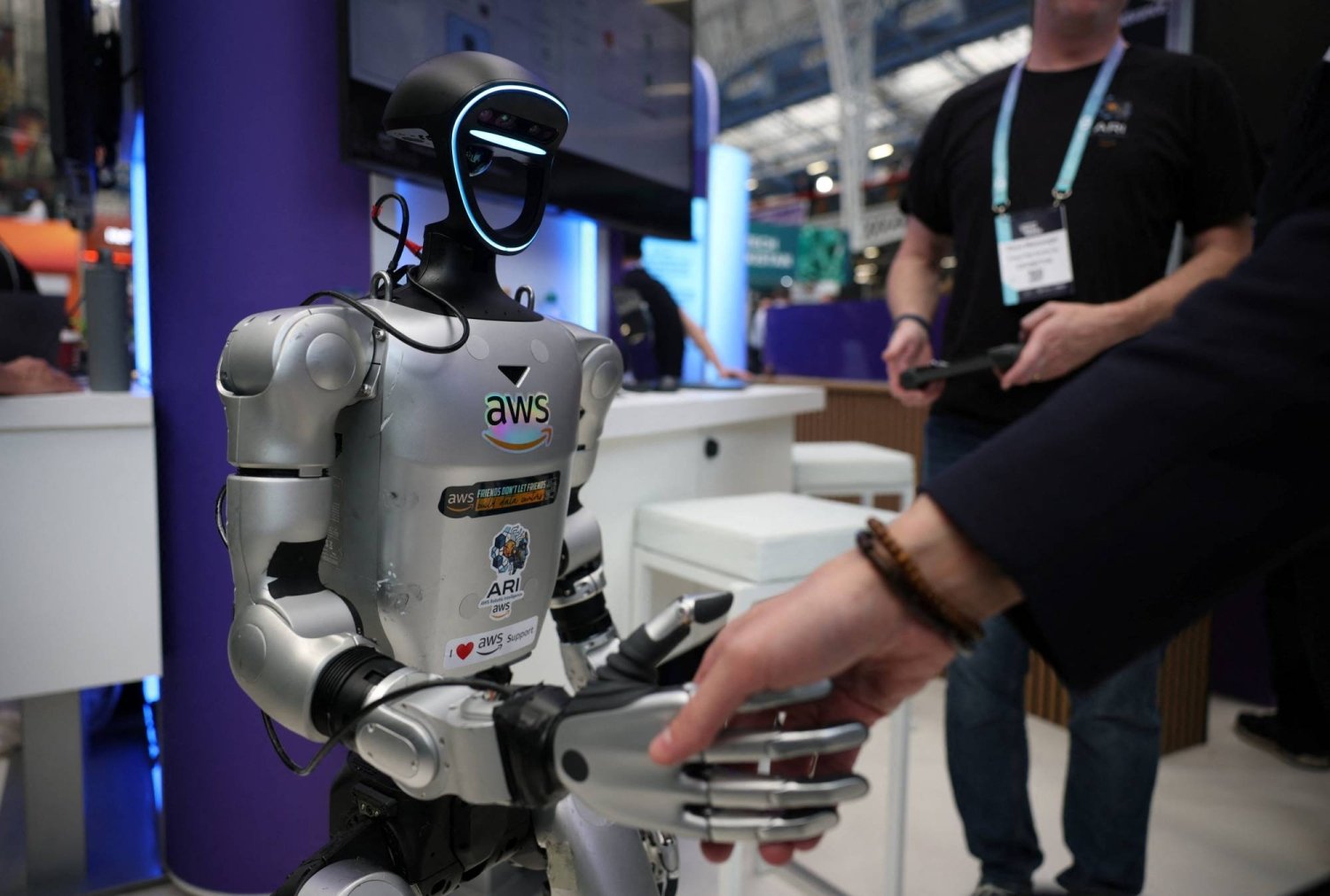
AFP-JIJI reporting in The Japan Times from the Robotics Summit in Boston in late May describes a familiar split in humanoid robotics: machines can perform narrow, attention grabbing tasks, but many still fall short of general purpose multitasking. According to a Let’s Data Science summary of that report, the examples included humanoids mixing cocktails, running marathons and folding laundry, alongside evidence that some demonstrations remain teleoperated or constrained to scripted chores.
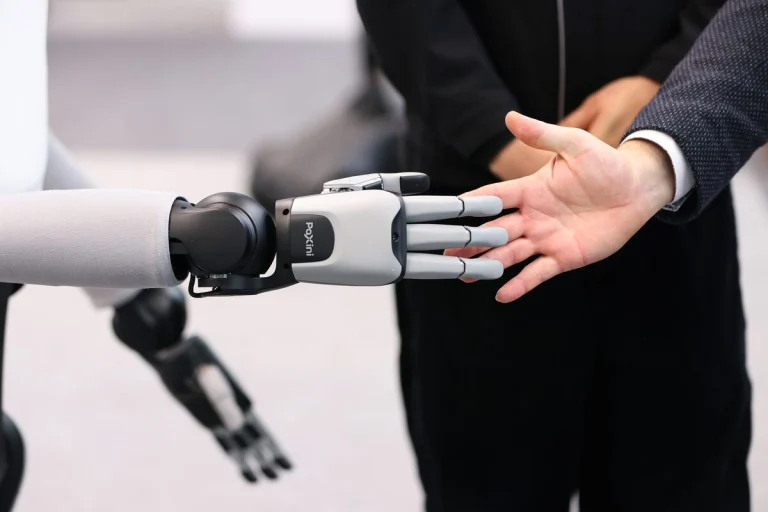
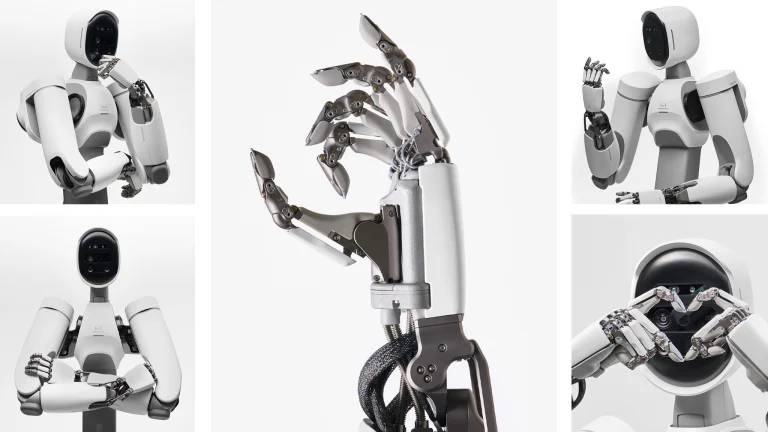
The report names Elon Musk’s Optimus, Figure AI’s Figure 03, China’s AgiBot and Matrix Robotics, and 1X’s Neo. Neo, according to AFP-JIJI, was being steered by a person off to the side. For operators evaluating these systems, that detail is more valuable than the choreography: it separates a useful humanoid teleoperation demo from an autonomy claim.
“Most of the humanoids you see are being teleoperated, or they’ve got very specific paths and chores that they do,”Chris Matthieu, RealSense
Where the autonomy story is still thin
William Okazaki of Renesas is quoted as saying AI has “extremely accelerated” growth, and the report points to VLA models and the idea of a world model trained on large image and video corpora. Those are real technical directions for humanoids, especially where language grounding, perception and motion control have to be tied into a single task loop.
The weak point remains system integration under variation. A robot that folds laundry in one setup, mixes a drink at a booth, or follows a planned path is not yet demonstrating the same capability as an unsupervised assistant that handles changing objects, layouts and failures. The report’s main technical reading is that humanoids are gaining specific skills faster than they are gaining dependable generality.
Evidence practitioners should ask for next
Stronger evidence would look less like a stage routine and more like repeated manipulation under novel perturbations, peer reviewed evaluations of VLA approaches on robot tasks, and real world deployments that run without persistent teleoperation. The AFP-JIJI report does not present those results. It is better read as a field check on current humanoid claims, not as proof that general purpose assistants have arrived.
Source: letsdatascience.com