Tau Robotics humanoids clean homes for $30 an hour, with help
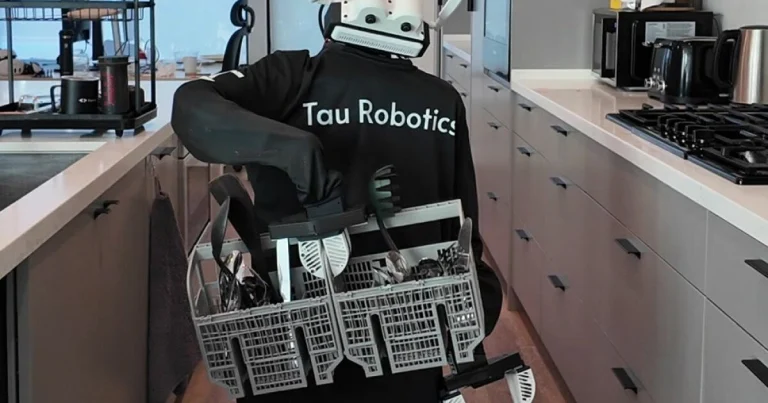
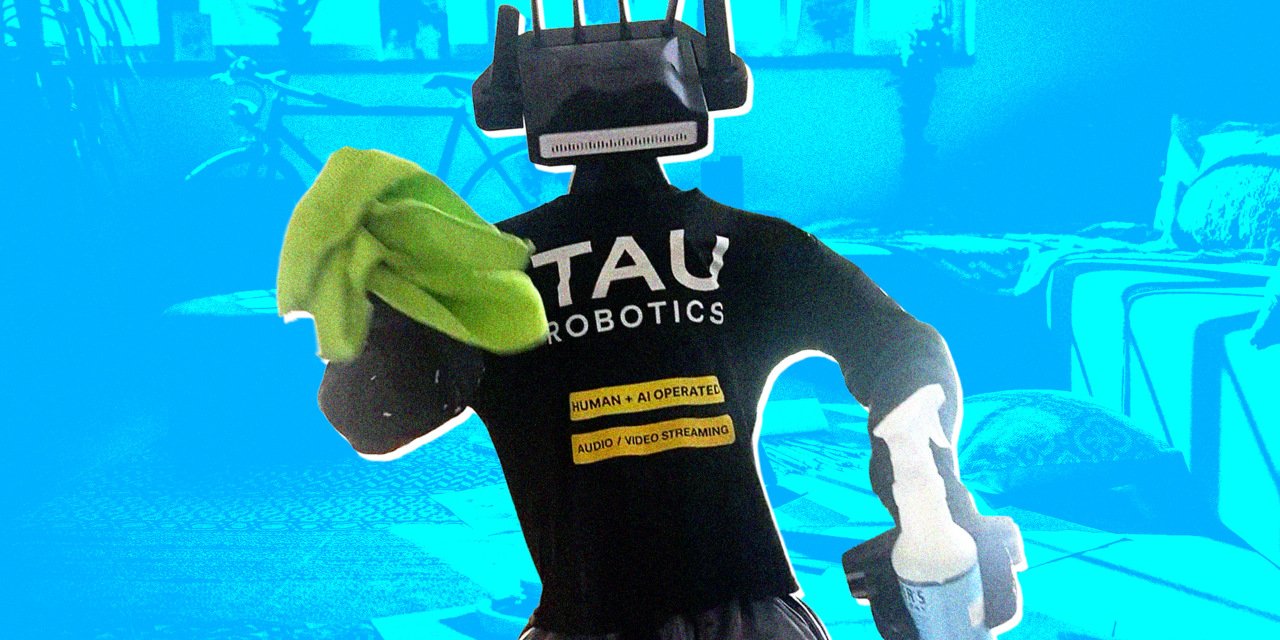
Tau Robotics is sending teleoperated humanoids into San Francisco homes and offices for $30 an hour per robot, using paid cleaning work to collect training data for its robotics AI models. In a home visit documented by MarketWatch, two of the company’s modified Unitree G1 robots vacuumed, mopped and wiped surfaces, while remote human operators guided their actions.
The service costs $60 an hour for a pair. According to MarketWatch, Tau operates eight robots and has logged roughly 160 paid robot hours across nearly 100 cleanings. The company provided reporter Christine Ji’s session free of charge, with founding engineer Ted Pinkerton accompanying the machines and communicating with their operators through an earpiece.
The commercial service is also a data collection operation. Cameras on the robots’ heads and wrists stream footage to operators at Tau’s headquarters. Tau says that footage subsequently supports development of its general purpose robotics model, which runs on customized third party hardware.
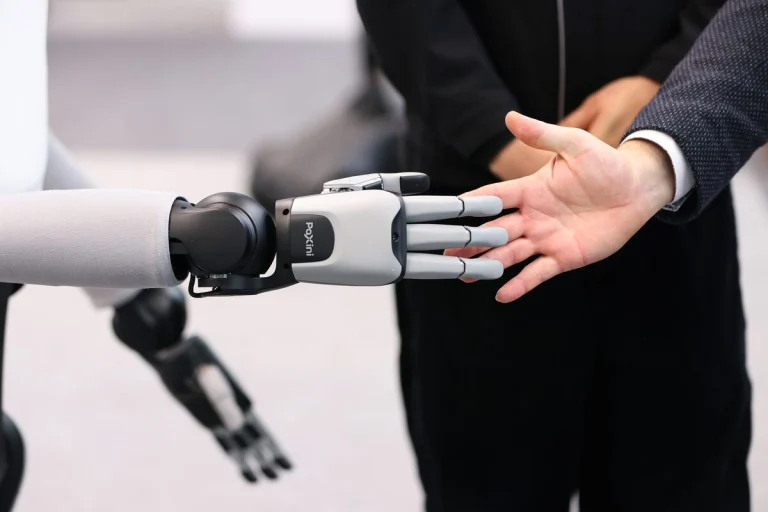
Grippers set the practical limits
MarketWatch reported that the Unitree G1 bodies cost around $55,000 each before Tau’s modifications. During the visit, the robots climbed the stairs to a third floor apartment with teleoperator assistance, then handled cleaning tasks that included moving books, clearing a charging cord from a vacuuming path and relocating a spoon rest before wiping a counter.
Dishwasher loading exposed a more specific hardware constraint. One robot struggled to grip a smooth glass with its pincer hands before securing it by the rim and placing it inside. A small knife lying across the utensil basket was also difficult to retrieve. Pinkerton told MarketWatch that a dish had broken during an earlier customer session, although none broke during Ji’s visit.
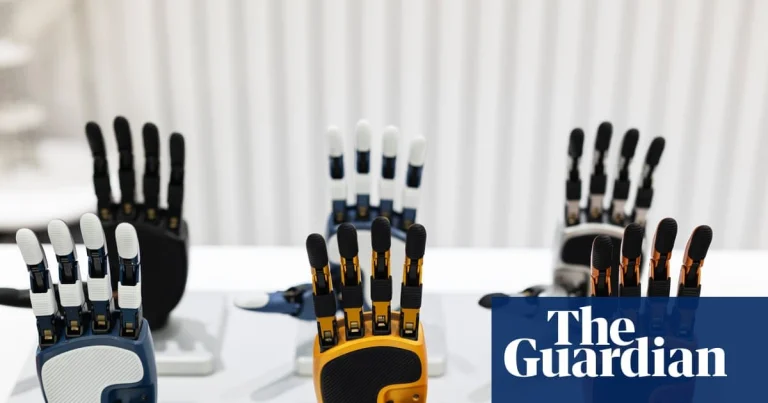
Human control does not remove those mechanical limits. Pinkerton said more dexterous hands could expand the robots’ capabilities, but described available five finger hands as too fragile and difficult to repair for Tau’s work.
Fabric handling was slow even with remote assistance. Ji observed a robot take about four minutes to fold a towel and a little over a minute to fold denim pants. She nevertheless described the mopping, vacuuming, wiping and dusting as thorough. Those observations offer a useful distinction between a humanoid completing household work and completing it at a practical pace.
Cleaning buys access to training data
Tau Robotics humanoids enter homes under an explicit data collection arrangement. The company says its pricing reflects the value of using customers’ environments as training grounds, rather than relying solely on controlled laboratory setups.
According to MarketWatch, cleaning requires live video access, but customers can request deletion of their data afterward. Otherwise, unblurred footage is stored indefinitely for model training. Customers can also exclude rooms, an option Ji used for her bedroom and bathroom.
Co founder Alexander Koch told MarketWatch that relatively simple tasks, such as vacuuming an empty hallway, need much less data than unusual household situations. In one earlier cleaning, a vacuum became entangled with a mouse trap. Tau plans to increase the number of cleanings and expand beyond San Francisco in the coming years.
Source: MarketWatch