PaXini explores Hong Kong IPO as humanoid investor interest builds
PaXini explores Hong Kong IPO, according to a Bloomberg report published June 2, putting a humanoid robot developer into the next stage of the sector’s financing cycle. Bloomberg said PaXini Tech, described as a maker of dexterous robotic hands and humanoid robots, is considering a listing in Hong Kong and may file with the exchange in the coming months.
The reported move matters because it ties investor appetite directly to a company working on both humanoid systems and one of their most commercially important subsystems, the robotic hand. In practice, that makes the story relevant not only as a capital markets update, but also as a signal about which parts of humanoid robotics investors appear willing to back.
Why PaXini explores Hong Kong IPO
Bloomberg reported that PaXini is working with banks on a potential offering, citing people familiar with the matter who asked not to be identified because the information is private. The report also said the company is backed by BYD Co. and JD.com Inc., two large Chinese corporate investors from the automotive and e-commerce sectors.
At this stage, the plan remains tentative. The source does not include a proposed valuation, fundraising target, or final timetable, which means the report should be read as an exploration of public market options rather than a confirmed transaction. Even so, the possibility of a listing is notable in humanoid robotics, where companies often need sustained capital to develop hardware, refine control systems, and move products from demonstration to repeatable commercial use.
Dexterous hands and humanoid robots
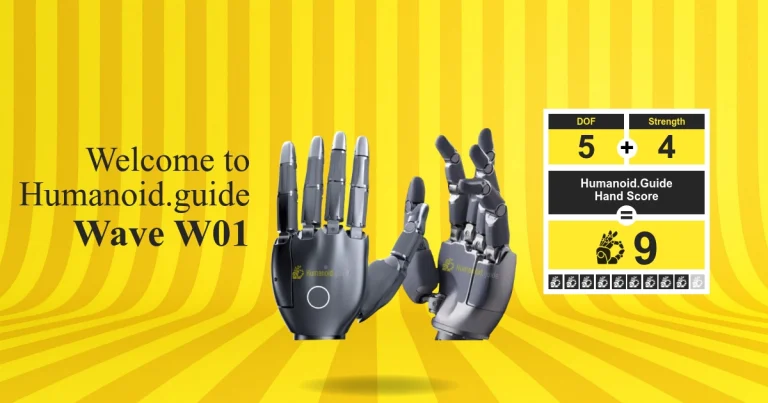
Bloomberg’s description of PaXini centers on two product categories, dexterous robotic hands and humanoid robots. That pairing is important because hand capability remains one of the main technical and commercial bottlenecks for humanoids intended to operate in spaces built around human tools, interfaces, and workflows.
For robotics operators and system integrators, that business mix suggests a company trying to build value at more than one layer of the stack. A firm can pursue complete humanoid platforms while also developing manipulation hardware that may have relevance across multiple robot formats. The Bloomberg report does not provide technical specifications or named products, but the positioning alone helps explain why investors may see PaXini as more than a single product story.
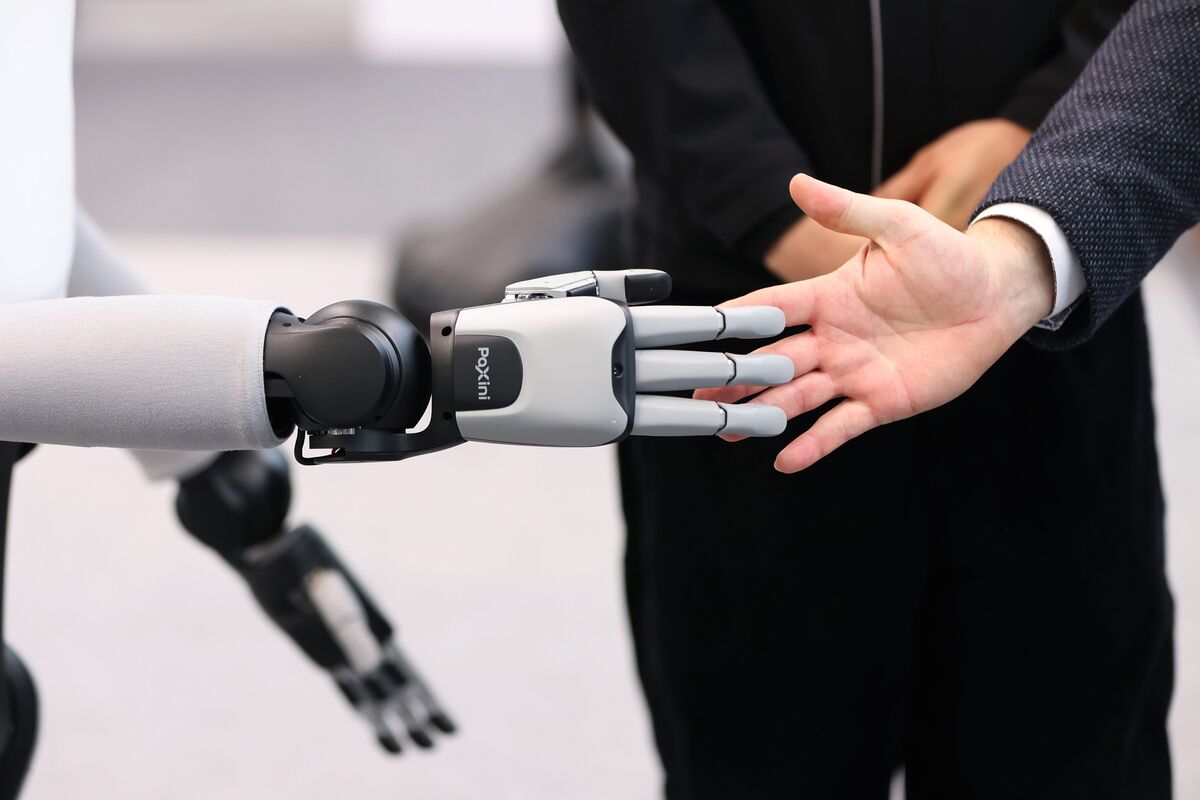
The Bloomberg page also includes a photo caption showing an attendee interacting with a humanoid robot at the PaXini booth at Hannover Messe 2026 in Germany. That does not establish commercial deployment on its own, but it does indicate the company has been presenting its humanoid work in a major industrial exhibition setting, where buyers and partners typically look for practical automation pathways rather than consumer novelty.
What a PaXini listing would signal
PaXini’s backers give the report additional weight. BYD is identified in the source as an electric-car maker, and JD.com as an e-commerce giant, placing PaXini within a network of large Chinese companies that understand logistics, manufacturing, and scaled operations. Bloomberg does not describe any operational tie between those investors and PaXini’s humanoid programs, so broader conclusions would be premature, but their involvement strengthens the market relevance of the IPO discussion.
The wider takeaway is that investor demand appears to be extending beyond software and general AI themes into companies building humanoid-related hardware. As Bloomberg reports, PaXini is the latest in the sector looking to tap that demand. That is especially notable for a company whose identity spans both full humanoid robots and dexterous end effectors, two areas closely watched by automation buyers evaluating whether humanoids can move from showcase demos into work-focused deployments.
If PaXini does file in the coming months, a formal prospectus could offer the first clearer view of how the company presents its humanoid robot business to public investors. Until then, key questions remain open, including the size, timing, and structure of any Hong Kong offering. For the humanoid sector, the report mainly signals that capital market interest is broadening, even as product maturity and commercialization details still need to be documented.
Source: bloomberg.com