Siemens and AGIBOT design humanoid grippers from text prompts
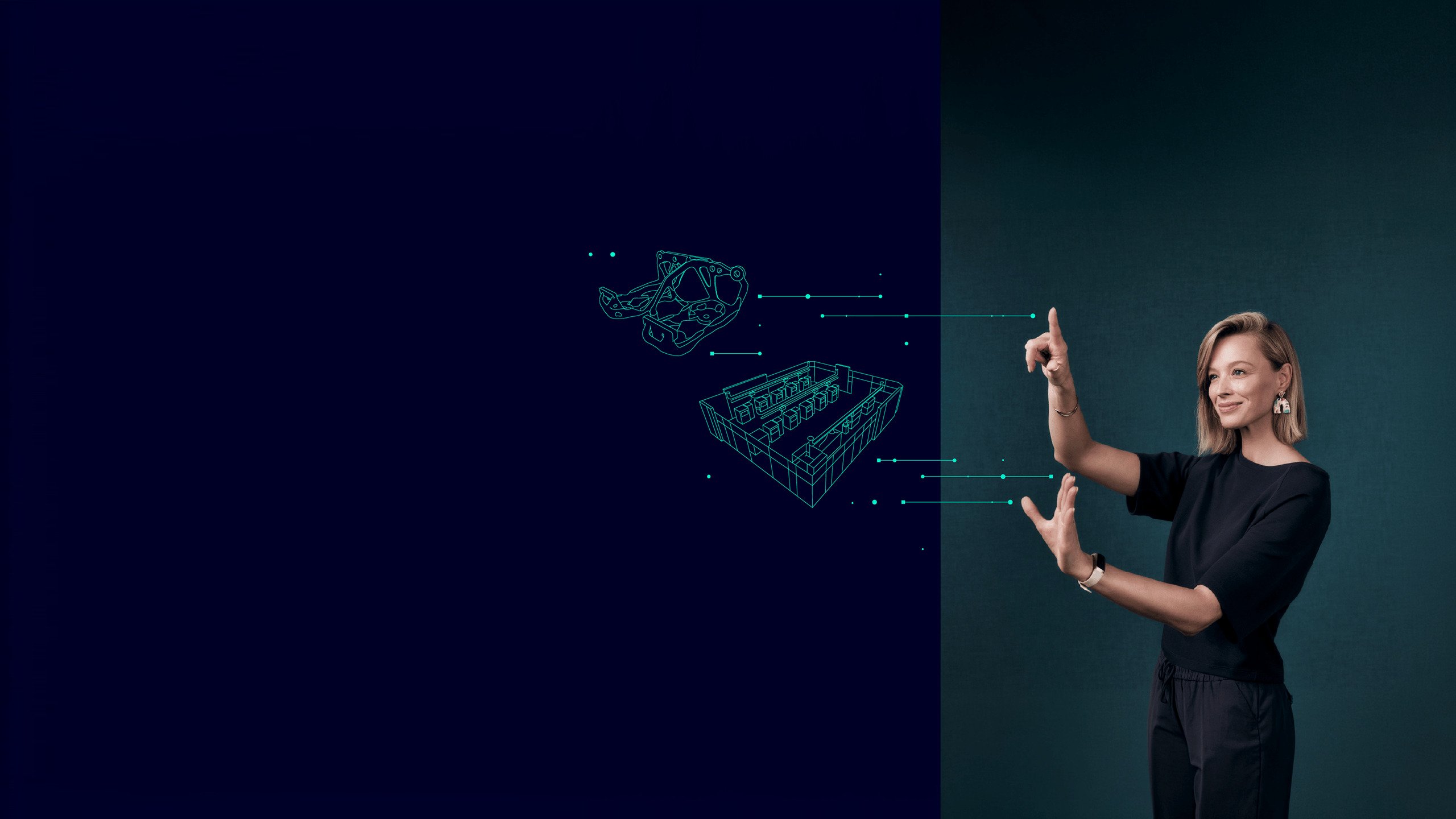
Siemens and AGIBOT have demonstrated an AI agent workflow that uses a written task description to adapt a humanoid robot gripper and prepare its design for additive manufacturing, according to 3D Printing Industry. The user describes the object to be handled and the robot’s task. The agent then selects a suitable gripper type, modifies its geometry in Siemens’ Designcenter, runs simulations and validates the robot interface and handling virtually.
The humanoid gripper design workflow uses MCP integration to let the agent call engineering software functions and coordinate the individual steps. Its distinguishing feature is the level of the instruction: the user specifies a handling requirement, rather than directing individual print preparation operations. The agent adapts the geometry to that requirement and prepares the manufacturing data. Siemens says this approach could make complex engineering workflows accessible to users who would otherwise need to operate each tool separately. For humanoid applications, the demonstration addresses a specific engineering problem: producing tooling suited to the object and task, rather than relying on a single gripper design for every application.
The engineering demonstration is separate from Siemens’ planned adaptive production cell at its Electronics Factory in Erlangen. Siemens is working with EOS and AM Solutions on that cell, which is intended to connect additive manufacturing, automation, post-processing and software while accommodating different components and production requirements. Siemens presents connected design, simulation and manufacturing data as the link between the two efforts. The company is exhibiting the gripper workflow at Formnext 2026 in Frankfurt, in Hall 12.1, Booth D119.
Source: 3D Printing Industry