San Mateo County approves commercial humanoid robot rules
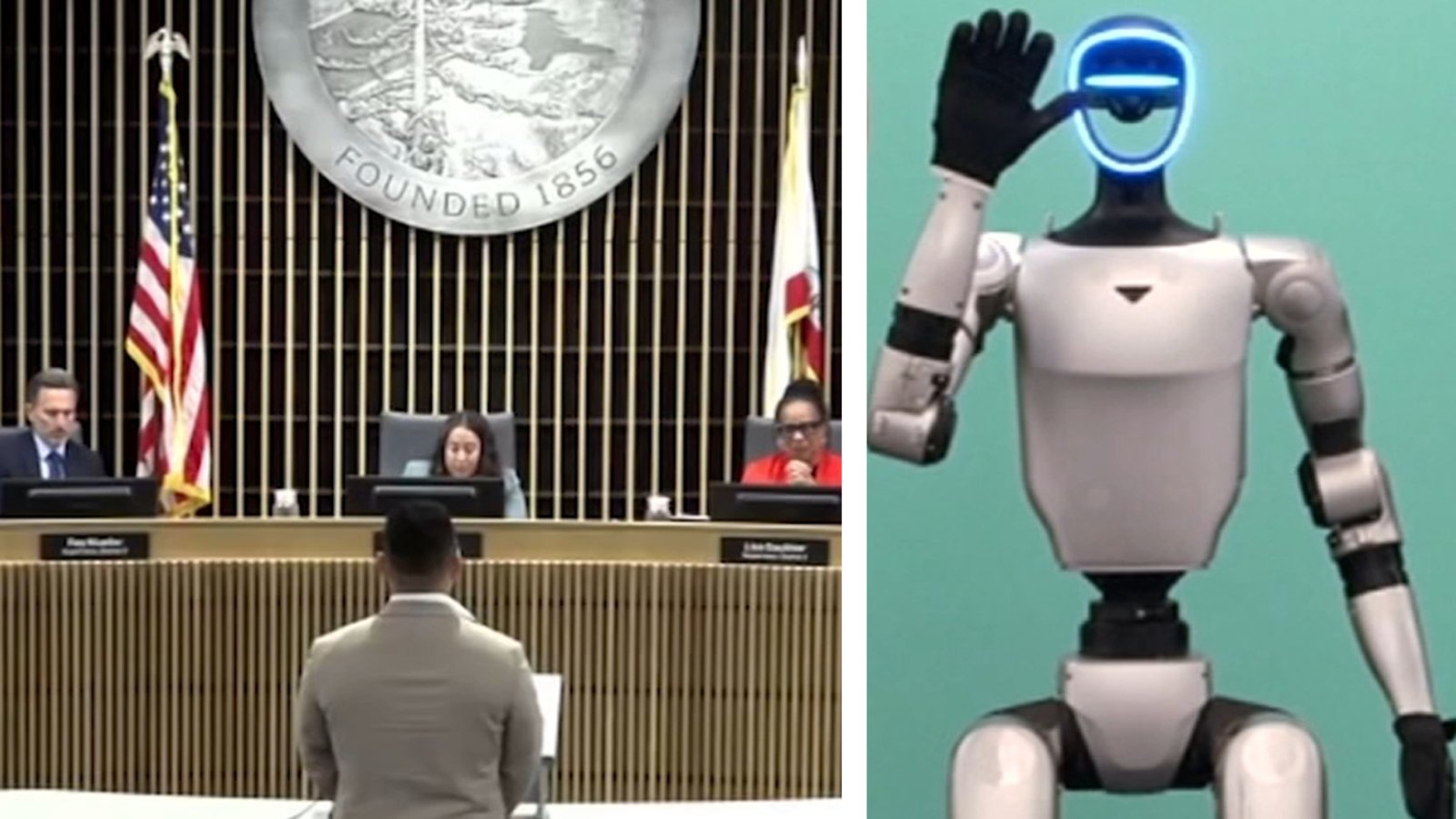
San Mateo County supervisors unanimously approved a resolution Tuesday to regulate commercial humanoid robots, according to ABC7 News. The measure creates requirements around permits, emergency kill switches, fire safety measures and tracking of possible job displacement.
The county is treating humanoid robots less like a distant technology demo and more like equipment that may soon need local oversight. ABC7 described San Mateo County as one of the first places in the United States to pass such a resolution.
Permits, kill switches and fire response
The resolution was introduced by Supervisor Ray Mueller, who said officials should understand the technology early and put safeguards in place before deployments become harder to manage.
“I think what you need to do is you need to go ahead and look at the technologies that’s coming, understand what pitfalls may be there, and then try to go and put in a framework to address them as quickly as you can so it doesn’t get out of control,”Ray Mueller, San Mateo County supervisor
According to the report, the requirements include permits for the use of commercial humanoid robots. The county would also be able to collect fees that Mueller said could help pay for specialized firefighting equipment.
Mueller tied the fire safety provisions to rising concern over lithium ion battery fires involving electric bikes, laptops and cars. He said the county may need special equipment to respond to robot fires, and that permit fees could be aggregated for that purpose.
Labor tracking enters the local robotics debate
The resolution also gives the county a mechanism to track companies and data related to job losses. Mueller said the measure would allow officials to keep track of “bad companies” and collect information on employment effects.
Labor and AI safety advocates supported the proposal. Julie Lind of the San Mateo County Central Labor Council told ABC7 that guardrails are needed because the technology is new, adding that the future of work should remain centered on workers.
Holly Elmore, executive director of Pause AI, also supported safeguards while warning that rules may not anticipate every possible problem. Her organization advocates a pause on frontier development, a broader position than the county resolution itself.
The report said community reaction was mixed. One resident viewed humanoid robots as likely to become part of everyday life, while another expressed discomfort about the possibility of losing a job to one. For humanoid developers and operators, the immediate signal is practical: local governments may start asking for permits, emergency shutoff provisions and deployment data before commercial humanoids become common in public or workplace settings.
Source: google.com