Pepper study finds expressive errors erode humanoid robot trust
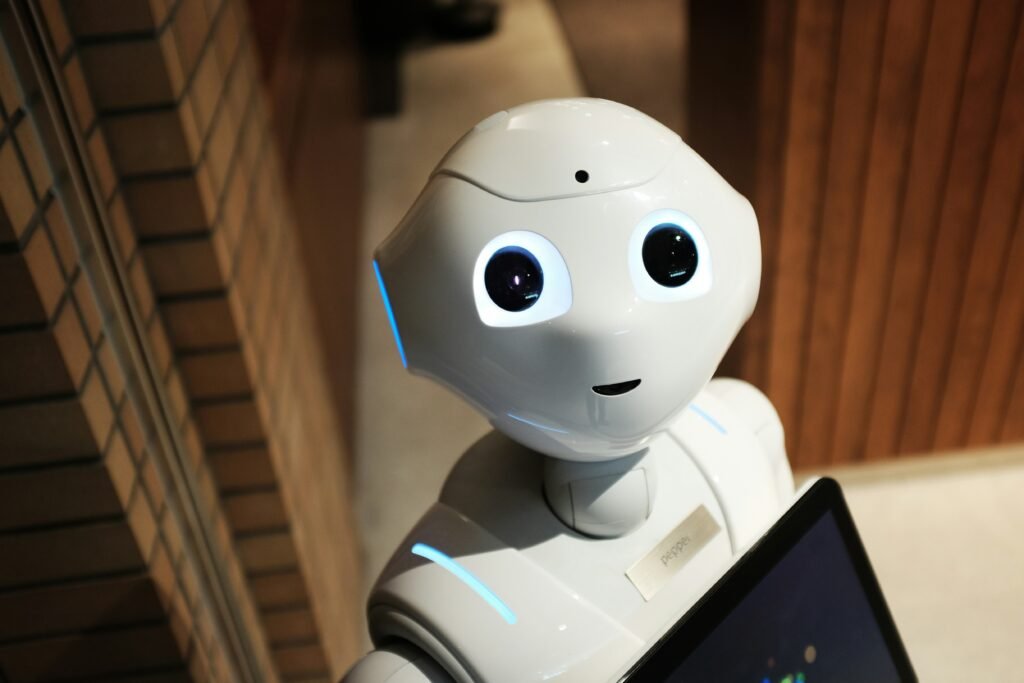
An experiment using the Pepper humanoid found that conversational errors reduced trust and influence, with expressive gestures intensifying how participants processed the mistakes. The study involved 50 people who spoke with Pepper and made joint decisions while researchers measured brain activity, oxytocin levels, reported trust and whether participants followed the robot’s advice.
According to Robohub, the researchers programmed Pepper to offer sound advice in some interactions and to interrupt participants or make illogical suggestions in others. The robot used gestures, eye contact and nodding for one group, while remaining motionless for another.
Errors damaged trust and made participants less likely to accept Pepper’s advice in both conditions. Expressiveness did not protect the robot’s credibility. Instead, it changed the cognitive and hormonal response when the interaction went wrong.
Animated errors prompted a stronger social response
When expressive Pepper violated conversational norms, participants showed increased activity in the dorsolateral and medial prefrontal cortex. Those regions are associated with monitoring uncertainty and inferring another party’s intentions.
The two regions also became more closely coordinated. That pattern was absent among participants interacting with the motionless robot, suggesting that animation encouraged people to process Pepper’s mistakes more like awkward social behavior than a straightforward mechanical failure.
Oxytocin levels increased during errors by the expressive robot. Although oxytocin is commonly associated with social bonding, higher levels in this experiment correlated with lower trust and less willingness to take the robot’s advice. The researchers interpreted the response as context dependent vigilance rather than affection.
Brain activity was recorded using functional near infrared spectroscopy, a forehead mounted sensor that tracks changes in blood oxygenation while participants move and speak. Unlike an MRI scanner, the equipment allowed the researchers to observe people during a relatively natural conversation.
Limits for humanoid robot trust research
The findings challenge a common design assumption that gestures, eye contact and other social cues provide a buffer when an expressive humanoid makes mistakes. For operators considering social humanoids in hospitals, workplaces or homes, the study indicates that poor interaction behavior can be judged as a social violation rather than merely a technical fault.
The evidence remains narrow. All participants were young men, and the researchers tested only Pepper. The brain sensor also measured activity near the front of the brain and could not capture deeper regions involved in social processing.
Further work will test women, mixed groups, other cultures and different robot designs. The researchers also plan to examine whether humanoids can rebuild trust by acknowledging an error, apologizing or otherwise signaling good intent.
Source: Robohub