Goldman raises 2035 humanoid robot forecast to 6.5 million
Goldman Sachs has raised its forecast for global humanoid robot shipments to about 6.5 million units in 2035, according to reports from 24/7 Wall St. and GuruFocus. The bank estimates the market could reach $138 billion by then, led by logistics, warehousing and automotive applications.
GuruFocus gives the more precise 2035 figure as 6.48 million units, up from Goldman’s previous estimate of 1.38 million. It also reports that the projected market value rises from about $38 billion to $138 billion over the forecast period.
A much steeper production curve
The new humanoid robot forecast assumes 75,000 units in 2026 and 890,000 in 2030, according to 24/7 Wall St. Goldman’s previous 2030 estimate was 256,000 units, making the latest revision more than a routine adjustment.
Reaching the 2035 figure would require manufacturers to establish dedicated production capacity for humanoid platforms and their components. It would also place greater demands on actuator, sensor, compute, memory and testing supply chains, although the reports do not provide a component level breakdown.
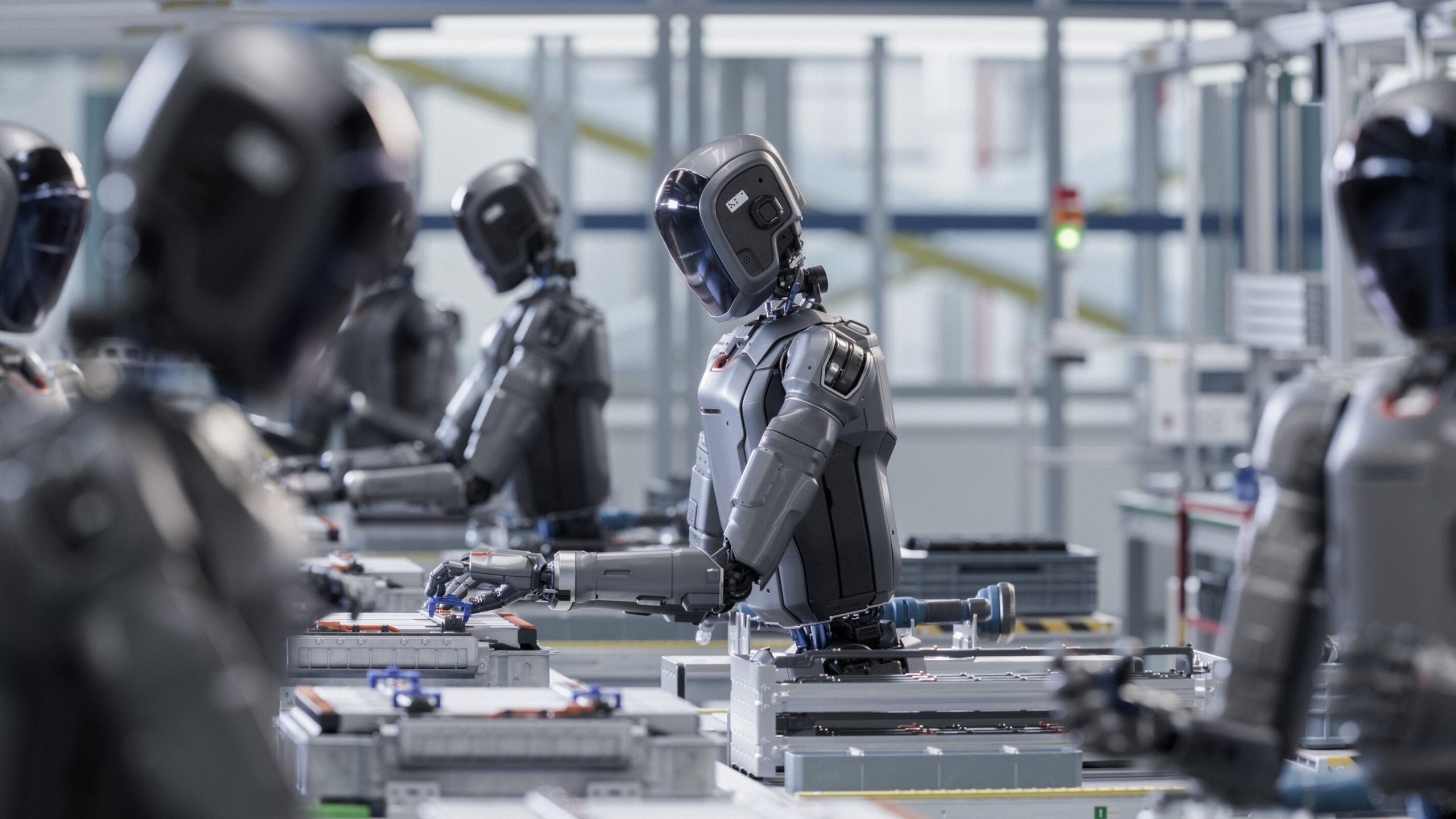
Automotive manufacturing is expected to play two roles. Carmakers are potential customers for humanoids on factory floors, while their existing manufacturing capacity and global supply chains could support robot production. Logistics and warehousing offer another plausible early market because operators can define tasks and workspaces more tightly than in homes or other less controlled environments.
A forecast, not an order book
The scale of the revision illustrates how quickly financial models for humanoid robotics are changing. It does not establish that current robots have the reliability, operating cost or task coverage needed to support millions of annual sales. Neither report identifies confirmed customer orders approaching the projected volumes.
24/7 Wall St. cited Tesla’s work on first generation Optimus production lines at Fremont as one example of capacity planning. It also noted Elon Musk’s aspirational targets of one million Optimus 3 units per year and 10 million Optimus 4 units per year. Those targets remain ambitions rather than verified production guidance.
Goldman’s numbers are therefore best read as a high growth market scenario tied to rapid technical and manufacturing progress. The nearer term benchmark is the bank’s estimate of 890,000 units in 2030, which is already more than three times its previous forecast for that year.
Sources: 24/7 Wall St., gurufocus.com