Chinese humanoid robots put Japan on back foot in Tokyo
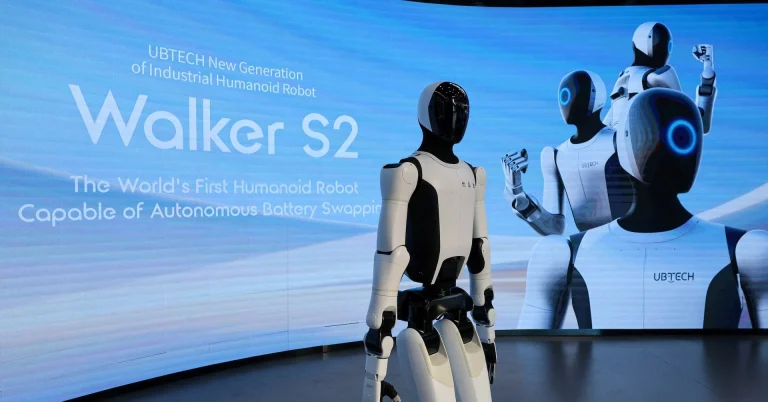
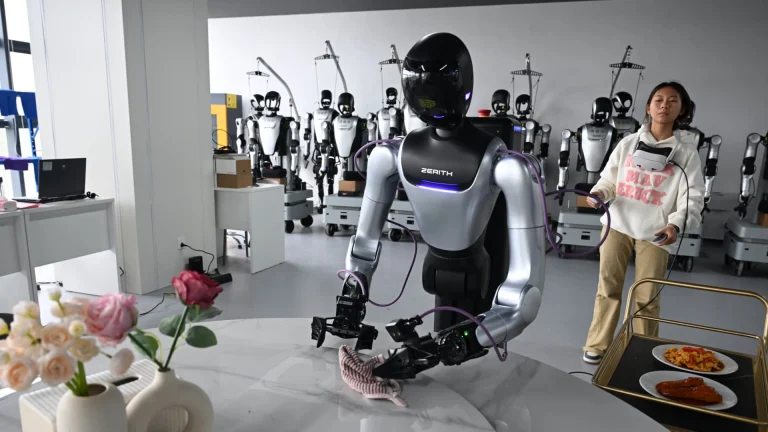
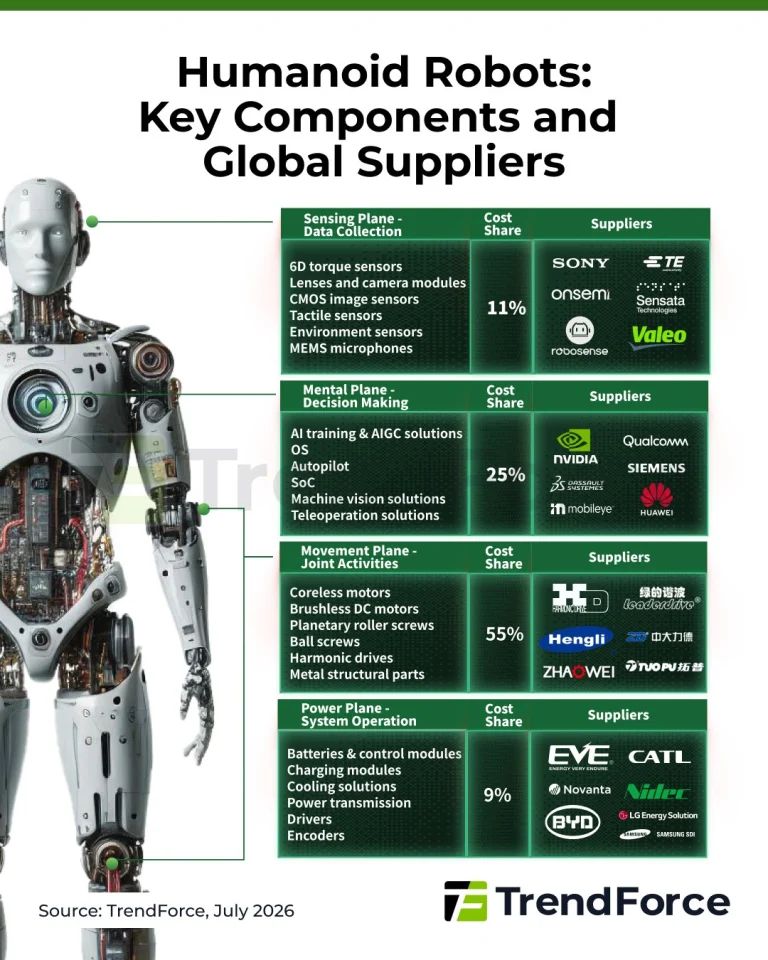
Chinese humanoid robots were reportedly the most visible platforms at the Humanoids Summit in Tokyo, where they outnumbered Japanese models roughly three to one and were even used by Japanese companies in some demonstrations, according to an MSN summary citing IEEE Spectrum.
The account is not a shipment ranking or a performance benchmark. It is still a sharp snapshot of availability. China’s manufacturers are turning up with more humanoid hardware, while Japanese groups remain less clear on commercial use cases and slower to push humanoids into production oriented programs.
Tokyo floor showed a hardware imbalance
MSN’s summary frames the Tokyo event as an uncomfortable scene for Japan, a country long associated with humanoid research through systems such as WABOT-1 and Honda’s Asimo. Those early breakthroughs did not become broad commercial humanoid platforms, leaving room for Chinese companies to advance on cost, production volume and AI integration.
Shuichi Nagao, CTO of Omakase Robotics, described the difference in approach in unusually direct terms.
“In China, the government is pushing humanoid development. They didn’t have an industry 20 years ago. The people pushing it are young, in their 20s and 30s. It’s a really different mentality out there. Big players in Japan are still looking for use cases for humanoids. In China, they’re already doing mass production and reducing the cost, so other countries can’t compete with them anymore.”Shuichi Nagao, CTO of Omakase Robotics
The source also points to safety regulations and Japan’s lack of clear commercial use cases as constraints. That is a familiar problem in humanoids: the machine may be technically impressive, but buyers still need a repeatable job, a safety case and an economic argument.
Japan’s gap is partly commercial
The article connects Japan’s humanoid problem to a wider robotics competitiveness issue. It says industrial robot density rankings show Japan slipping from first in 2009 to fifth in 2024, while China now operates 4.5 times more industrial robots. Those are not humanoid figures, but they help explain why Japan’s reputation in robotics no longer guarantees leadership in the newest humanoid wave.
Analysts cited in the summary argue that Japan missed the AI acceleration in robotics. For humanoid developers, that is a serious diagnosis. General purpose humanoids need reliable bodies, but they also need perception, planning, manipulation policies and data pipelines that improve with use.
UBTech shows a different Chinese lane
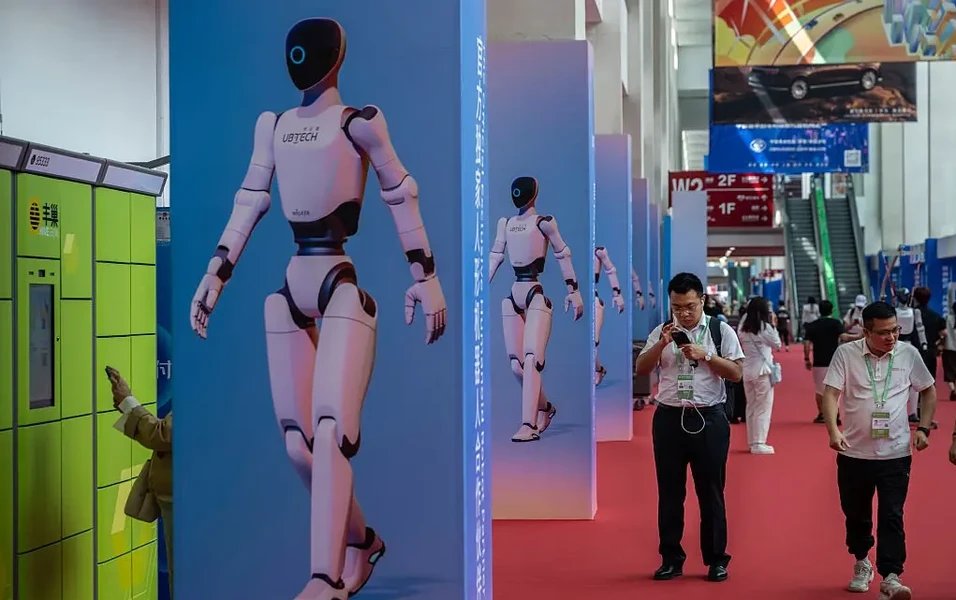
The same MSN page also cites Digital Trends on Shenzhen based UBTech’s Uworld U1 humanoid series, a companion robot line rather than an industrial platform. The U1 is described as having 88 degrees of freedom, rapid speech synchronization and an AI model tuned for emotional intelligence.
According to that report, the robots can identify more than 20 emotional states and remember user preferences. UBTech is targeting China’s millions of seniors and adults living alone, and the initiative includes recreating voices and appearances of loved ones for personalized emotional support.
That is a very different market proposition from factory humanoids. It also brings a different risk profile. A robot designed to simulate emotional presence in elder care or domestic companionship invites ethical questions that are not solved by better actuators or smoother speech timing.
Experts cited by MSN see a $100 billion opportunity for Japan in general purpose robotics, but argue that the country needs stronger AI, software and data platform leadership. Waseda University professor Tetsuya Ogata advocates a shared data ecosystem that could draw in domestic and international partners and create a third pole alongside the US and China.
For operators and developers, the immediate evidence from Tokyo is simpler: Chinese humanoid robots appear available enough that Japanese exhibitors used them in their own demonstrations.
Source: msn.com