China bets on robotic hands to strengthen humanoid industry
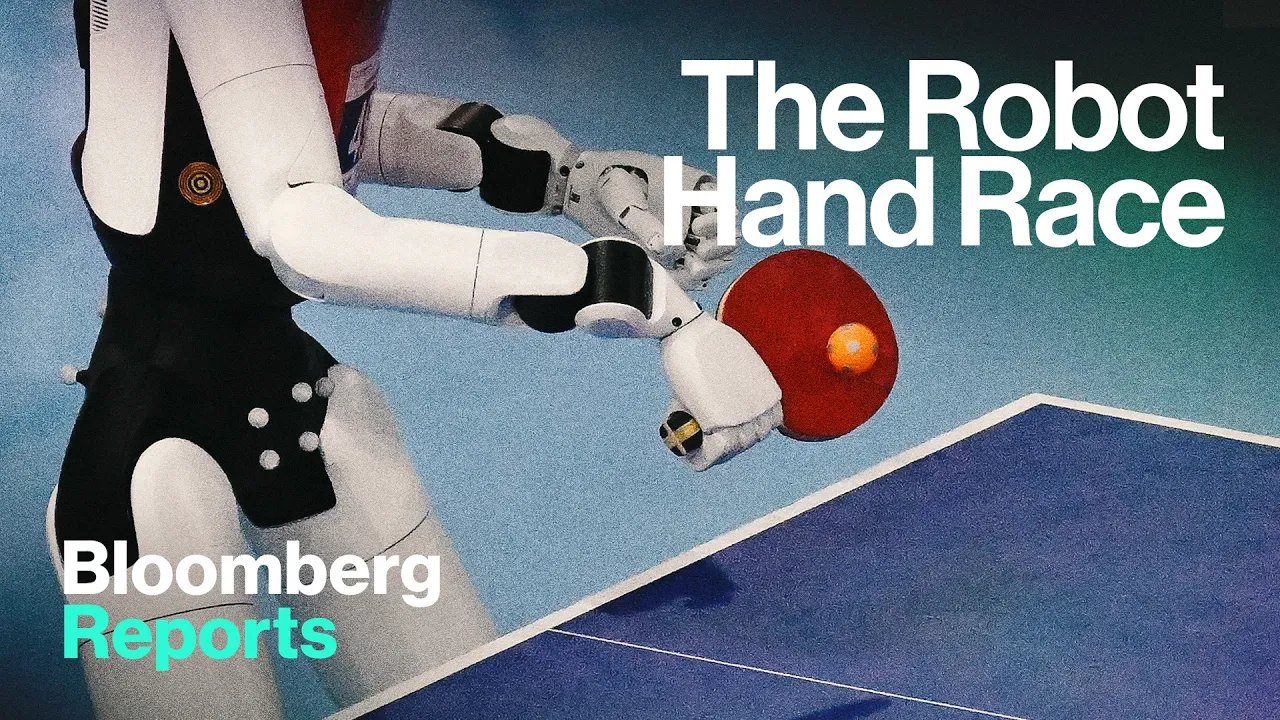
China is investing in dexterous robotic hands as a key component of its humanoid manufacturing ambitions, according to a video published on YouTube by Bloomberg Television. The report identifies hand manipulation as a major obstacle to useful humanoids, even as Chinese companies account for an estimated 97% of global humanoid shipments in the first half of 2026.
That shipment figure, which Bloomberg attributes to unspecified estimates, measures the wider humanoid industry rather than commercial adoption of robotic hands. The report says most hands remain prototypes rather than equipment in commercial use, and describes a similar deployment gap for humanoids more broadly.
The technical challenge is coordination as much as movement. A human hand can grasp objects with different amounts of pressure while coordinating multiple movements. Reproducing that behavior requires mechanical design, electrical systems, sensing, and extensive training and testing. Running, jumping or dancing does not establish that a humanoid can perform those manipulation tasks.
Supply chains and subsidies support the push
Bloomberg points to government support and China’s domestic component supply chain as important advantages. The report says humanoid development became a national priority about a decade ago, with subsidies helping encourage the industry. Shenzhen and other manufacturing centers can produce key robot components at scale, giving developers access to the hardware needed to build and refine their machines.
Linkerbot is among the Chinese companies the video identifies as working on the technology. The intended applications extend across factories, warehouses, hospitals, homes and repair shops, although Bloomberg presents these as potential uses rather than established deployments.
The economic motivation is also domestic. Bloomberg links the push to China’s low birth rate and shrinking workforce, describing robots as a possible way to fill labor vacancies while maintaining manufacturing capacity. Better hand manipulation would broaden the tasks humanoids could attempt in those settings, making dexterity a practical industrial objective rather than simply a demonstration feature.
Capital is following that ambition. Bloomberg reports that Chinese investors have poured more than $14 billion into the humanoid sector in 2026. It also cites Morgan Stanley’s estimate that the global humanoid industry could be worth $5 trillion by the middle of the century, a forecast rather than a measure of current demand.
Beyond hardware, the report identifies training as a central competitive challenge. Developing capable hands requires repeated testing alongside improvements in mechanics, electronics and sensing, with coordinated movement and pressure control among the abilities developers need to reproduce.