Tesla ramps Optimus production despite hand and AI limits
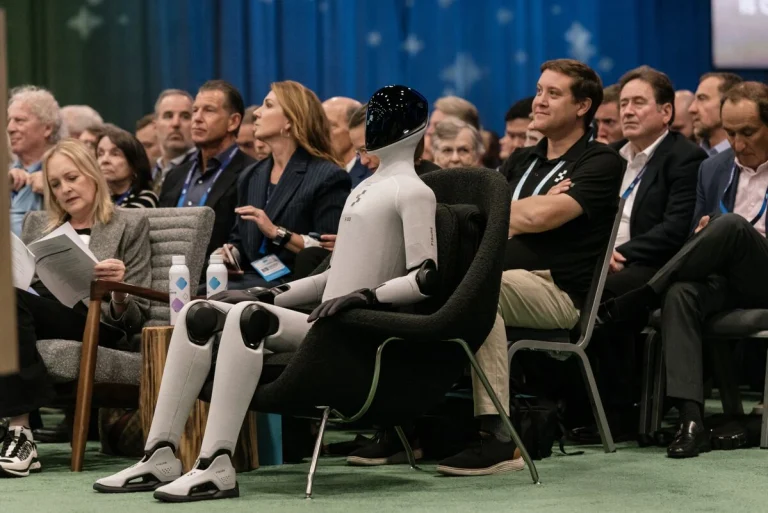
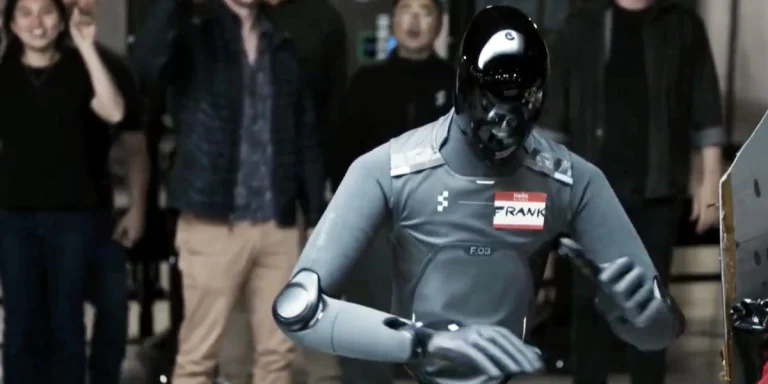
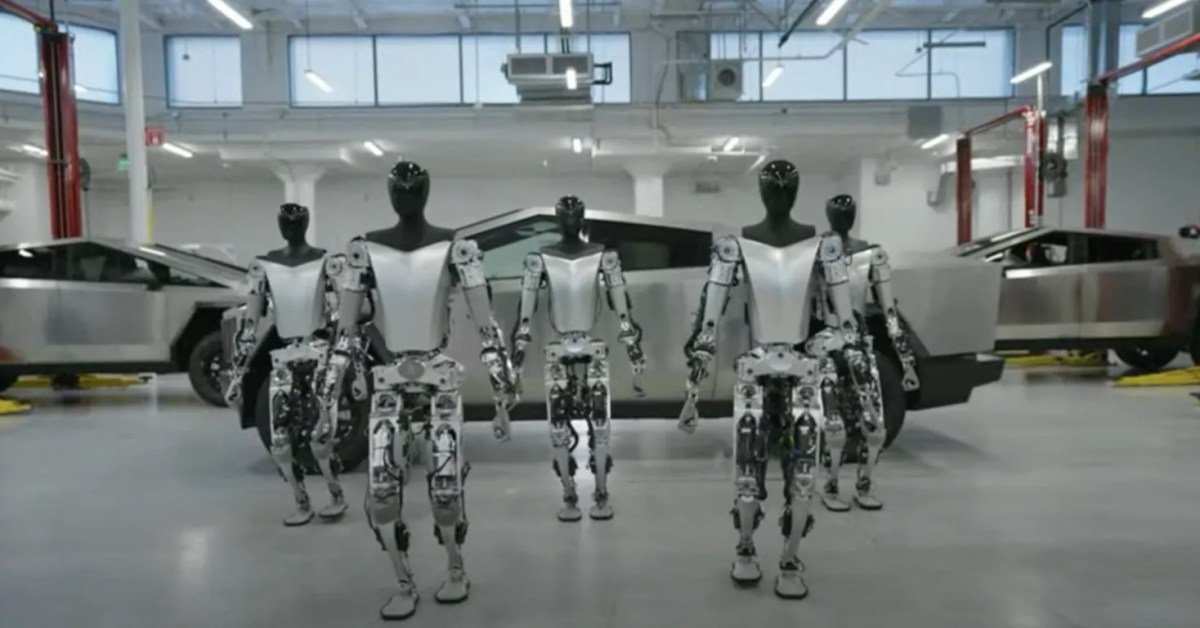
Tesla was building several hundred Optimus humanoid robots per week at its Fremont facility in August, roughly ten times its small batch output during the second quarter, according to Electrek, citing reporting by The Information. Most of those robots are reportedly being retained for testing, training and data collection rather than assigned to productive factory work.
Managers are said to be targeting a continuously operating automated line capable of producing more than 1,000 robots per week by the end of the year. The eventual target is about 20,000 per week. The line occupies factory space previously used to build the Model S and Model X, with workers and engineers reassigned to the Optimus program.
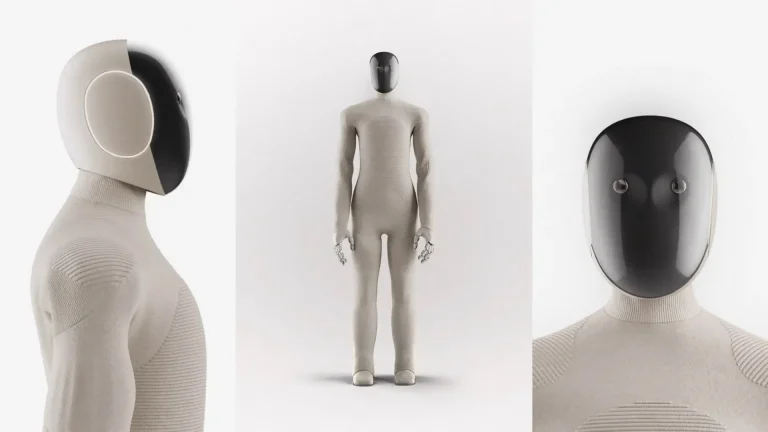
The production count does not yet represent a commercial deployment. Optimus units working inside Tesla factories are reportedly limited to controlled, supervised areas and programmed for specific tasks. The V3 robots currently being assembled are also not the version Tesla intends to offer to customers, which must meet stricter durability and reliability requirements.
Hands complicate volume manufacturing
The Optimus hand and forearm reportedly contain more than 100 screws and small components, many of which workers still install manually. Fixtures used for hands, joints and electronics testing have struggled to align small parts with tighter tolerances than typical automotive components, leaving more completed robots in need of rework.
Touch sensors in the hands have also experienced reliability problems, according to the report. Tesla plans to introduce a replaceable sensing glove next year, allowing damaged sensors to be replaced without changing the complete hand.
Suppliers present another constraint. Tesla relies on outside manufacturers, including companies in China, for motors and precision joint gears. Some suppliers can reportedly produce acceptable components in prototype quantities but have struggled to maintain consistent quality as volumes increase.
Task learning remains slow
Optimus also lacks the generalization needed to handle unfamiliar work reliably. Three people familiar with the system told The Information that its behavior can become unpredictable in situations outside its training, while even basic new tasks can require several days of training.
Tesla is developing a library of basic movements that Optimus can combine for different jobs. It has accumulated more than 500,000 hours of training data and reportedly wants to double that total by year end. Data collection includes workers wearing camera helmets and motion capture suits, with training hubs established in Colorado, Arizona and Florida.
The gap between output and useful work follows earlier missed targets. Elon Musk said in January 2025 that Tesla would build about 10,000 Optimus robots that year and have several thousand performing useful work by year end. Electrek reported that he acknowledged a year later that none were doing useful work at Tesla.
Tesla reportedly plans to lease Optimus initially to a limited group of companies operating factories and warehouses similar to its own. Data from those customer sites would then be used to improve the system, while keeping early deployments within comparatively familiar environments.
Source: Electrek