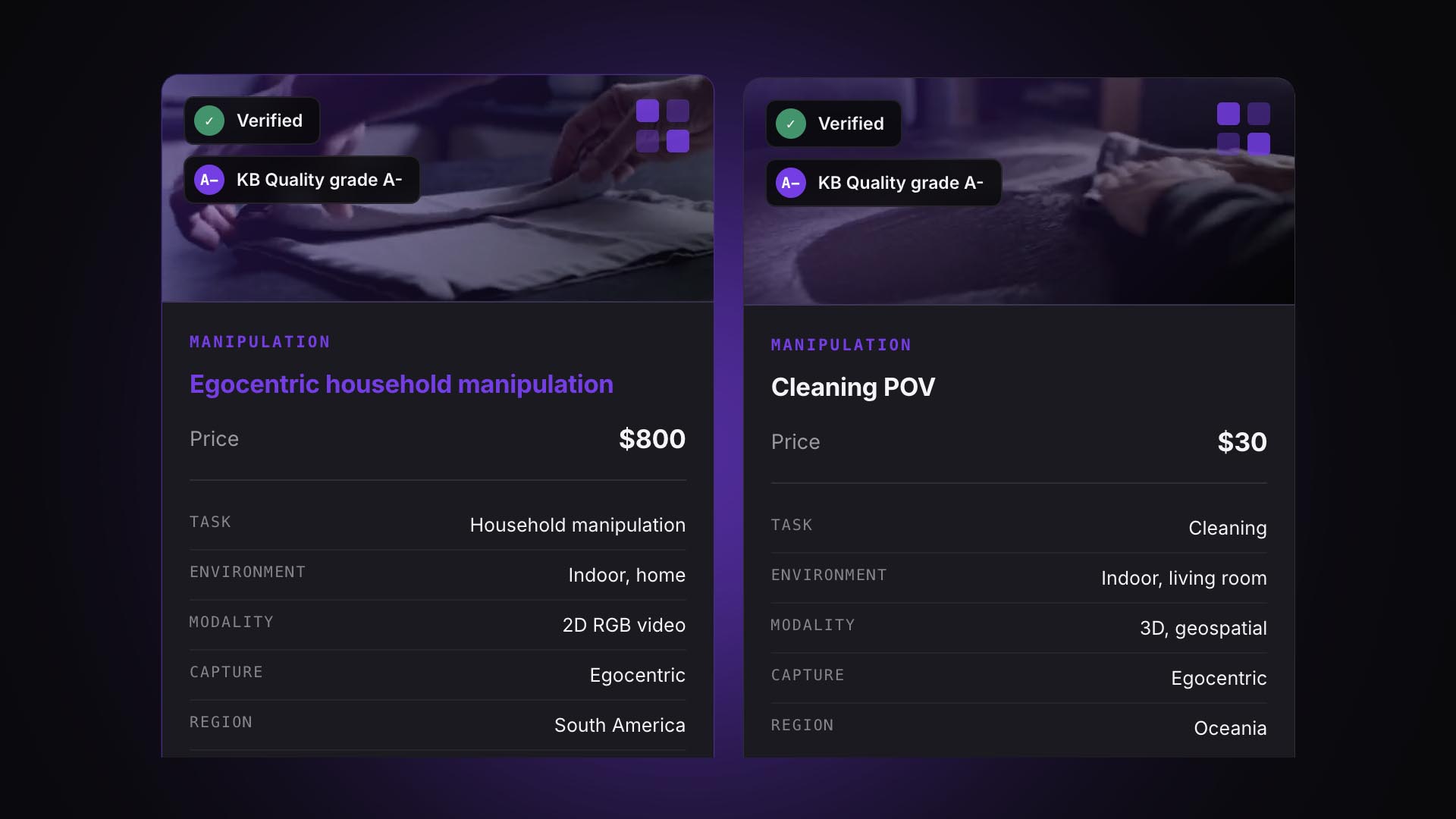
Kinetic Blocks opens its training-data marketplace
The data that trains humanoid robots just got a market.
For as long as humanoids have learned from demonstrations, buying that data has meant bilateral deals measured in months. On 1 September, Kinetic Blocks opens a gated beta that turns the same transaction into a listing, a grade and a checkout. The full announcement is at kineticblocks.com/news/beta-launch.
From negotiation to checkout
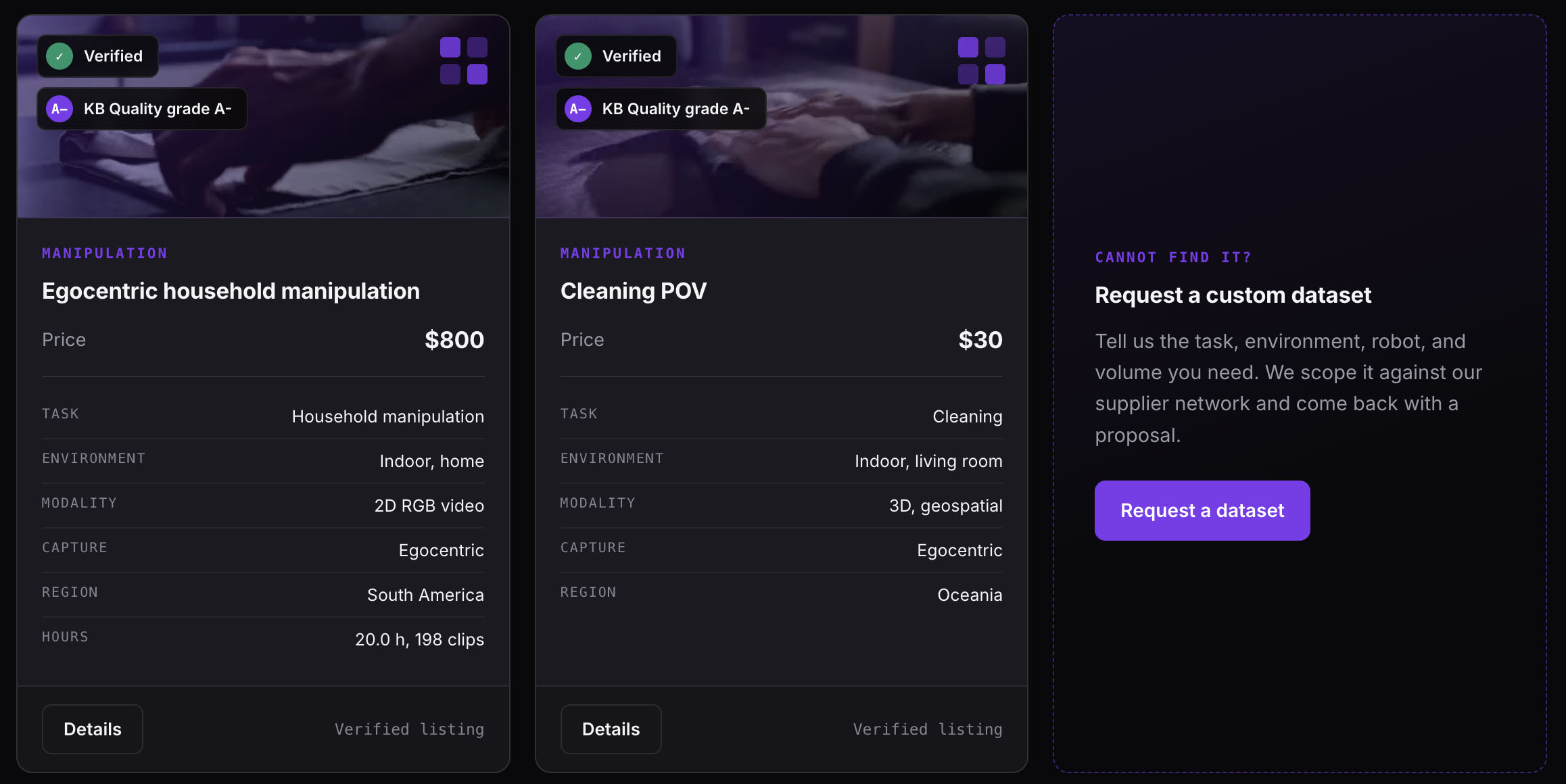
Until now there was no shelf to browse. A lab that wanted teleoperation data tracked down whoever held it, negotiated price and scope from scratch, then waited while two legal teams argued about rights. That took months, routinely. Kinetic Blocks wants it to take an afternoon.
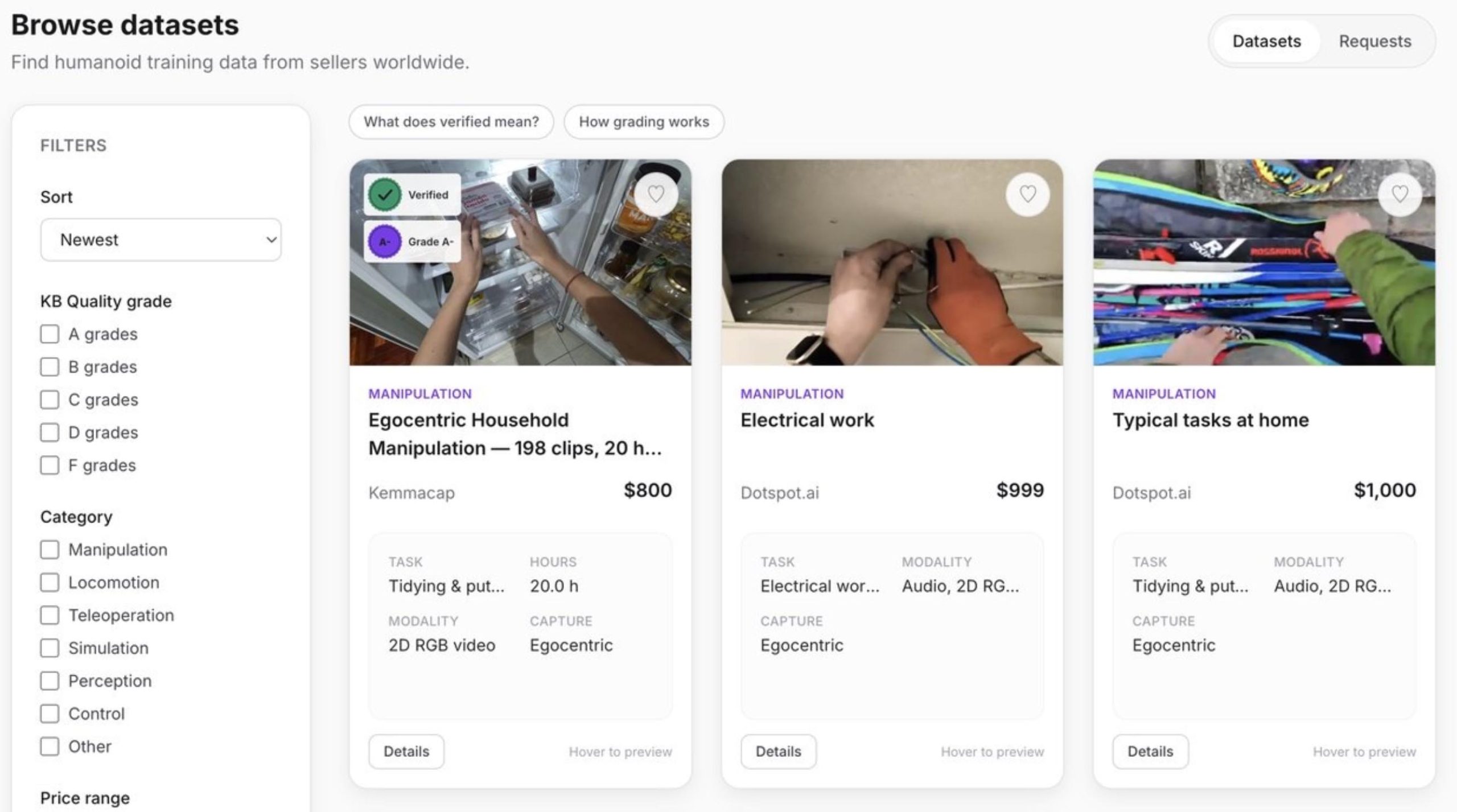
The mechanics are plain. Sellers upload datasets – egocentric human video, teleoperation recordings, robot execution data – with chain-of-custody documentation, in LeRobot v3.0 or their own proprietary formats. Every dataset is scored through KBQS, the quality system the company built so buyers don’t each have to invent their own acceptance criteria. Sellers set their own prices; the platform takes a margin. Buyers pay, download, and walk away with the commercial licence attached to the purchase. Rights settled before training starts, not renegotiated after.
Gated on purpose
No open signup. Both sides of the market are approved one account at a time, and the company is blunt about the filter: the beta is for teams that hold licensable data or are actively training models, not for spectators. Requests go through kineticblocks.com/request-access.
Built in Oslo, with 1X pedigree
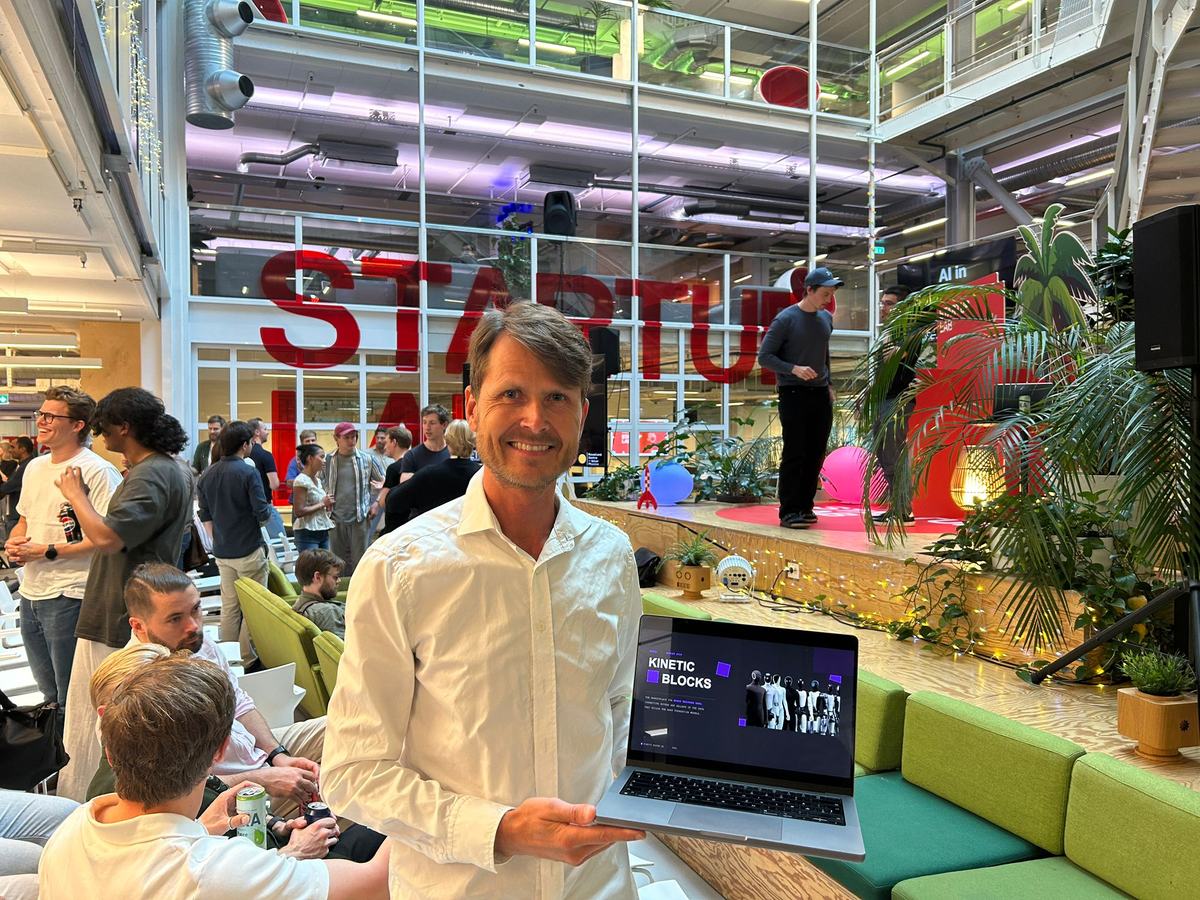
CEO Lars-Fredrik Forberg runs the company from Startuplab in Oslo. Board chair Erik Ålgård previously backed 1X Technologies; Leo Terry leads data quality from Boston.
Through the autumn, the plan is engineering hires across ingestion, validation and delivery, plus commercial roles covering the US, Europe and Asia. A seed round opens in the fourth quarter of 2026.
Get on the beta list
The beta opens 1 September and access is approved one account at a time. If your team holds licensable data – or trains the models that need it – make the case. Details are in the full announcement.