Generative Bionics unveils Gene.01 humanoid with tactile skin
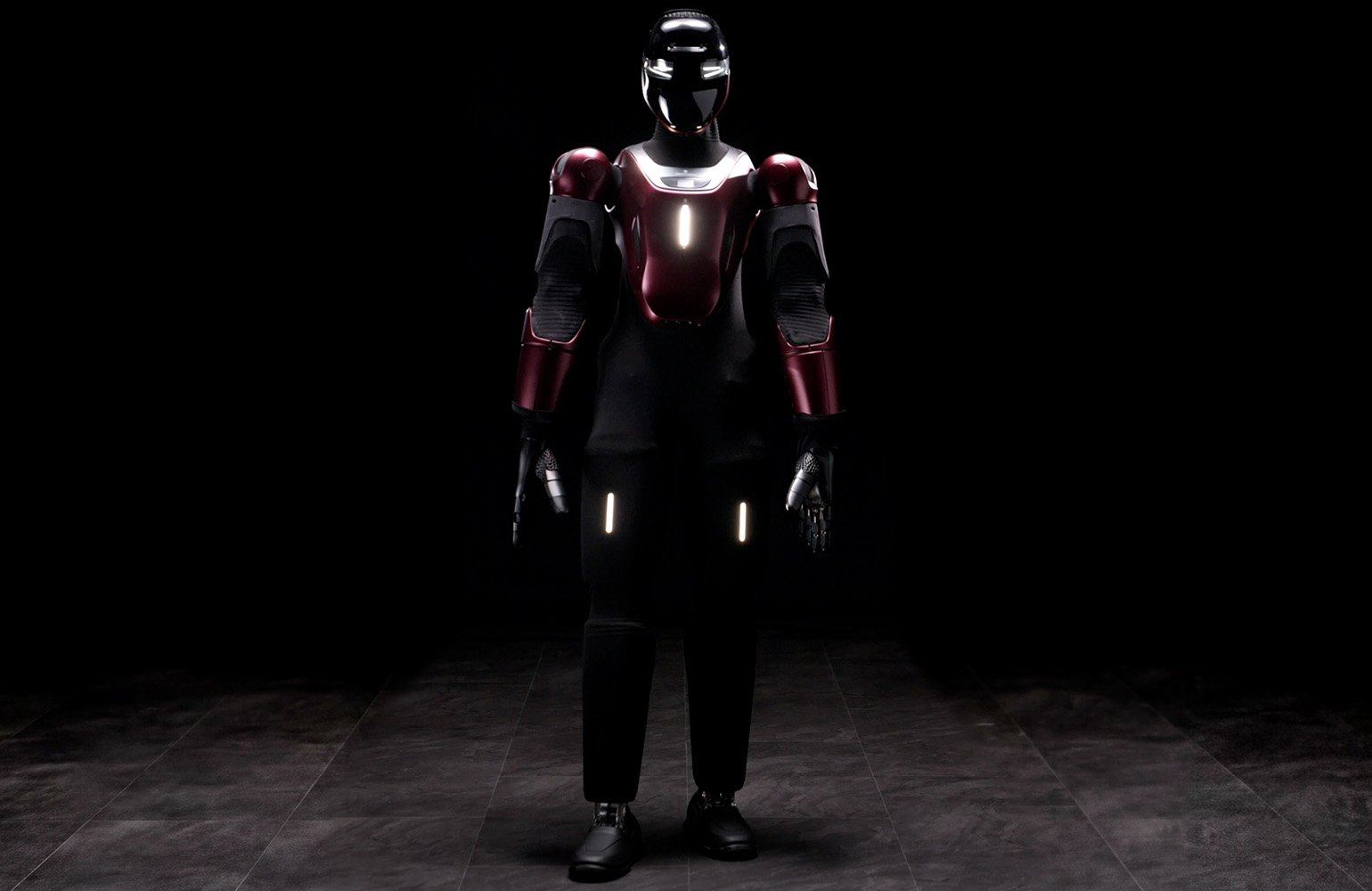
Generative Bionics has unveiled Gene.01, a humanoid robot for industrial work that the company says combines full body tactile sensing with physics native AI. The Genoa, Italy based company showed the robot this week at AMD Advancing AI 2026, according to The Robot Report.
The company said it built the platform in six months and is presenting it as the base for a family of customer specific humanoids. Gene.01 is making its U.S. debut with a first industrial configuration tied to Fincantieri, the shipbuilding group, for shipyard operations. That configuration includes a welding humanoid for complex shipyard environments.
Tactile skin is the central technical claim
The tactile layer is the most concrete part of the announcement. Generative Bionics said Gene.01 uses full body distributed tactile skin able to detect touch, temperature, proximity and force. The stated aim is human robot collaboration, with the robot anticipating human presence and responding before and during contact.
Force sensing also supports task teaching by demonstration. The company said people can teach not only a motion, but also the force required to complete the task, such as gripping an object tightly. That is a credible target for tactile humanoid systems, since video only learning often leaves contact rich manipulation underspecified.
The harder claims are less independently visible from the announcement. Generative Bionics describes its control architecture as proprietary physical AI that treats body, mechanics and intelligence as one system, and says it uses models of the robot and its human partner to tune hardware and motion intelligence against factors such as ergonomics and walking stability. The public description does not include standard platform specifications such as height, weight, payload, battery life or degrees of freedom.
Open robot model, closed core platform
Generative Bionics said it is publishing Gene.01s robot model for physical AI developers. The model is being maintained across PyPI, conda-forge and the official ROS build farm, so developers can bring it into simulation, AI and robotics environments through familiar install paths.
That open model sits alongside a platform strategy that remains product focused. The company plans to customize future Gene.01 based humanoids at three levels: the AI for the target task, the exterior design for the operating context and the end effectors, including hands and feet. Target markets named in the announcement include logistics, manufacturing, public safety and inspection, and healthcare.
Generative Bionics is also working with Synapticon, a Schönaich, Germany based actuation specialist, on what the companies describe as an EU protected actuation stack for Gene.01 and later humanoids. The collaboration covers European final assembly, calibration and safety testing, plus integrated actuators tailored to the robots mechanical, thermal and control requirements.
The company spun out of the Italian Institute of Technology in 2024 and says it builds on more than 20 years of humanoid research, development and prototyping there. IIT has granted Generative Bionics exclusive licenses to key technologies. In late 2025, the company raised €70 million (about $81.2 million) to develop its product, train physical AI systems and construct its first production plant.
Source: therobotreport.com