XPeng IRON walks off automated line, targets 2026 production
XPeng says its IRON humanoid has completed assembly and walked off an automated production line under its own power, while mass production remains targeted for the end of 2026. According to Stocktwits, the company says more than 80% of core manufacturing processes are automated, with initial robot deployments planned for its own stores and facilities.
The distinction between a completed robot and sustained production is important here: XPeng is reporting a line completion event while still describing mass production as a future target. The report gives no production throughput figure. XPeng also claims its lines are the world’s first automated production lines for advanced humanoid robotics, a claim Stocktwits attributes to the company.
Automated assembly and onboard control
XPeng says the robot production lines use automotive grade quality standards and argues that its vehicle manufacturing experience gives it an advantage in building humanoids at scale. The concrete manufacturing claim is the automation share across core processes, rather than simply the robot’s ability to walk away after assembly.
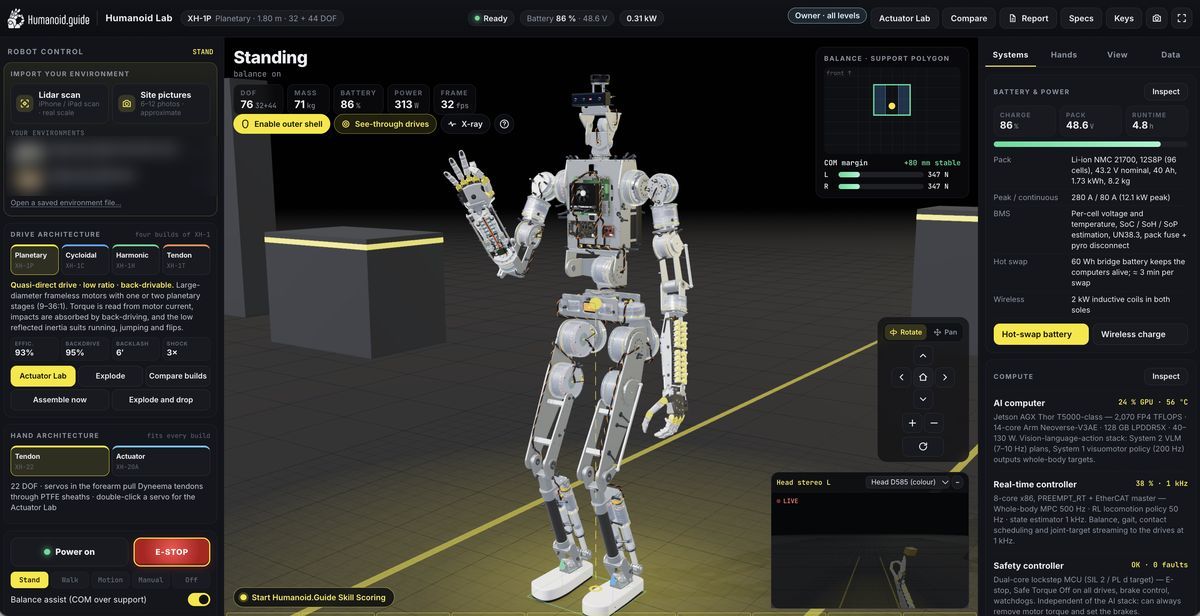
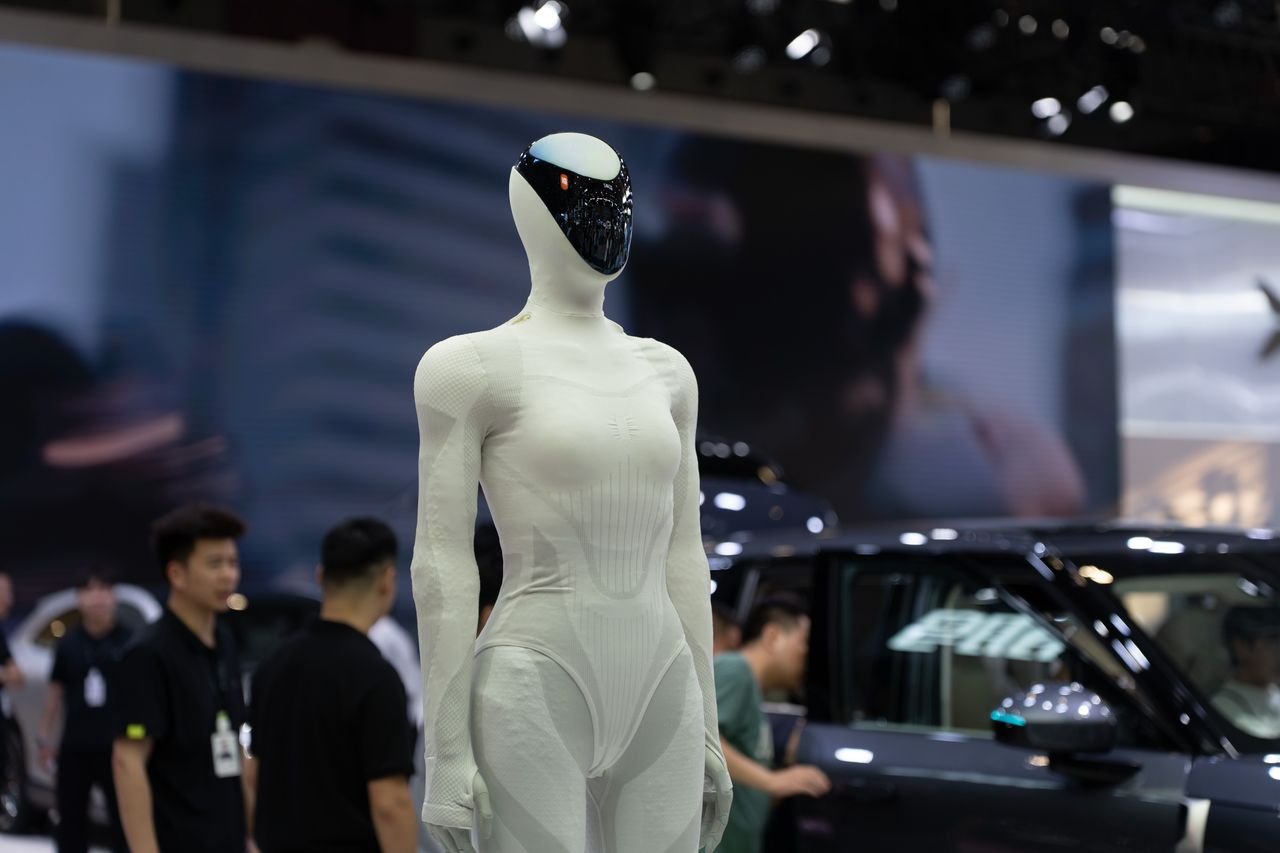
For the XPeng IRON humanoid itself, the company claims 76 degrees of freedom, including 21 in each hand. Those figures describe the platform’s articulation, but dexterity in a working environment also depends on control, sensing and reliable task execution.
Stocktwits reports that IRON uses three proprietary AI chips, and XPeng says its models will run directly onboard rather than in the cloud. The report describes the robot as designed for autonomous task execution without remote control. CEO Xiaopeng He, however, framed broader capability as an ambition, saying he hopes the robot gains “true generalization ability” to undertake dangerous, repetitive or undesirable tasks.
Funding supports a commercial rollout plan
According to Stocktwits, XPeng’s robotics unit recently closed a $900 million private funding round at a post money valuation of $6.3 billion. The company called it the largest single funding round in China’s embodied AI sector to date.
XPeng also expects significantly higher gross margins on advanced humanoid robots than on its electric vehicles, citing technical complexity and limited supply. That is a profitability expectation, not a reported result from robot sales. For operators, the more immediate commercial question is whether the planned internal deployments establish repeatable, useful work alongside the manufacturing effort.
XPeng plans to begin with deployments in its own stores and facilities, followed by a full commercial launch in China and overseas markets in 2027, Stocktwits reported.
Source: Stocktwits