US bans new humanoid robot imports from foreign makers
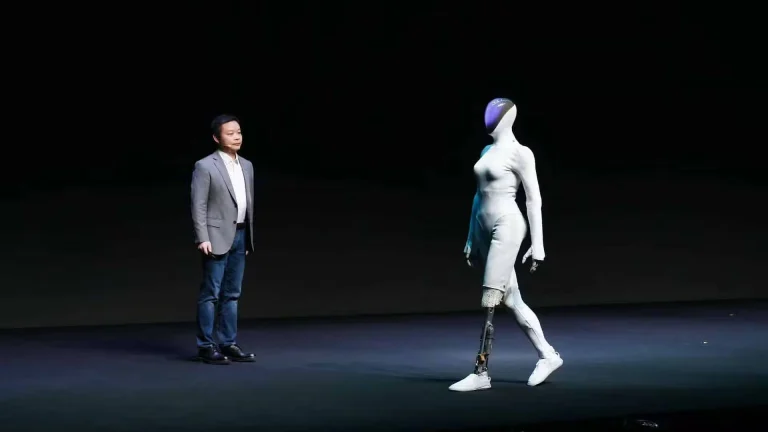
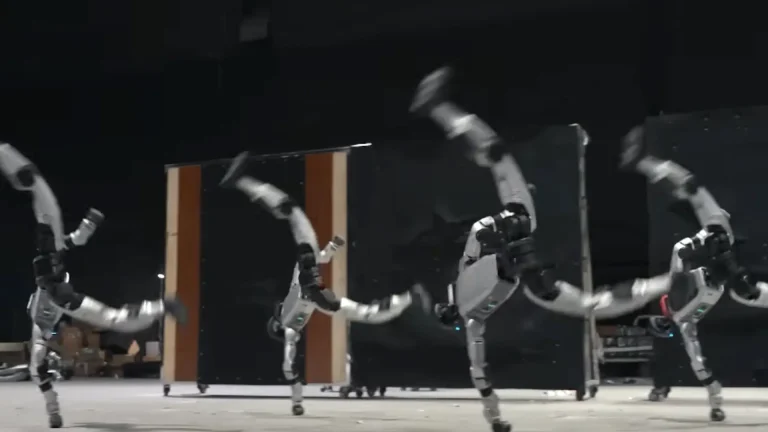
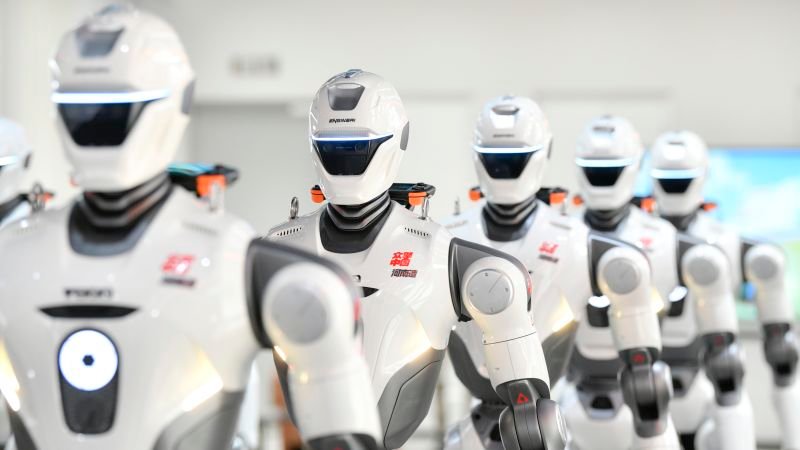
The United States has barred new humanoid and quadruped robot imports from foreign manufacturers, CNN reported, citing a Trump administration action that says the machines pose “unacceptable risks” to US national security. The restrictions exclude models already in use, but they block new humanoid robot imports into the US market at a time when Chinese suppliers account for most global output.
The ban also covers power converters used to connect renewable energy infrastructure and batteries to the power grid. For humanoid robotics, the immediate target is clear: internet connected mobile machines that collect data, operate around people and increasingly come from Chinese vendors with large manufacturing capacity.
Security case centers on connected robots
The Federal Communications Commission said the devices could create supply chain vulnerabilities, disrupt US economic and national security, and introduce cybersecurity risk to critical infrastructure. The FCC decision followed a national security determination made on Monday by a White House convened interagency body.
That determination warned that internet connected robots could create data privacy risks and cybersecurity vulnerabilities. The document said the robots “collect data that could be leveraged by malign actors to surveil Americans, enhance the capabilities of foreign intelligence services, or to remotely commandeer the robots.”
China’s Foreign Ministry spokesperson Mao Ning rejected the move at a Wednesday press conference, saying Beijing opposes what it views as US abuse of national security claims to suppress Chinese companies. She said China would “take necessary measures” to defend their interests and argued that protectionism would harm American businesses and consumers.
China’s scale makes the ban commercially sharp
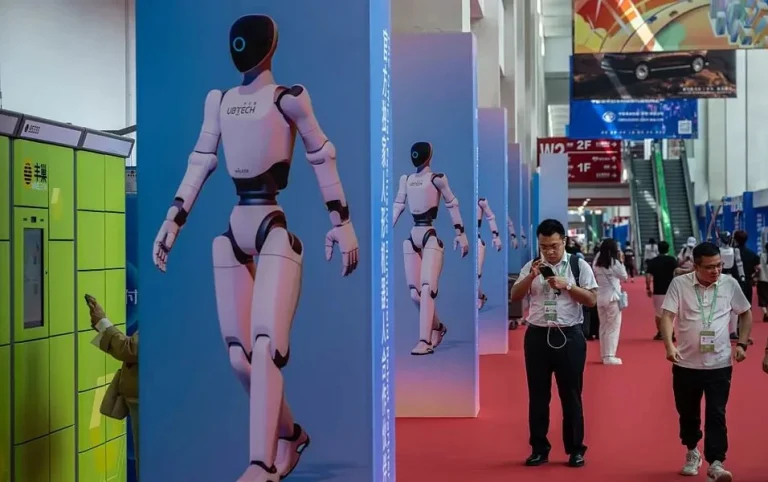
China’s humanoid robot sector has grown into a strategic industry with more than 140 manufacturers and a widening supply chain, according to CNN. The outlet cited Interact Analysis data showing that Chinese companies accounted for 90% of worldwide humanoid shipments last year, while the US was the largest overseas destination for Chinese made humanoids.
A LexisNexis report released Tuesday adds another measure of China’s position. Six of the world’s top 10 humanoid startups by patent strength were from China, with Chinese companies holding the top five spots. San Jose based Figure AI and Germany’s Agile Robots followed, according to the report cited by CNN.
The policy lands as several Chinese humanoid makers, including Unitree, are preparing for IPOs this year, according to Soumen Mandal, principal analyst at Counterpoint Research. He told CNN the timing is likely not accidental and said US companies such as Tesla, Figure and Boston Dynamics “greatly benefit from this news.”
Unitree is a particularly sensitive case. Nvidia said last month it would partner with Unitree for research and development, but Unitree was also marked by the US government as a potential security risk with connections to the Chinese military and barred from entering Department of Defense contracts.
Lian Jye Su, chief analyst for AI and humanoid robots at Omdia, told CNN the ban will probably disrupt Chinese vendors’ US sales in the short term, but he expects the overall impact to be “minimal” because many suppliers were already realistic about their US prospects. He said many Chinese vendors are looking to Europe as their main destination.
Source: cnn.com