
Tesla and Figure choices sharpen humanoid hand design debate
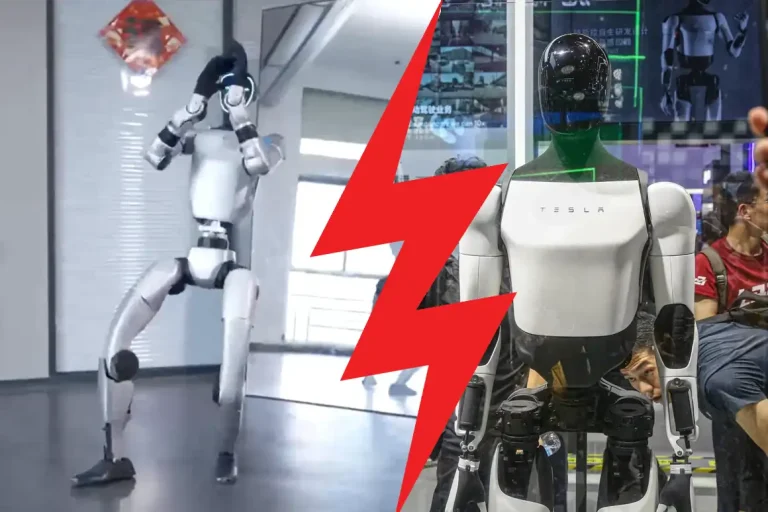
In a LinkedIn post, Michelle Sun said Tesla has tested tendon driven hands, while Figure abandoned its first tendon driven design. She presented those choices as an entry point to a broader engineering debate over motor placement, force transmission and how robotic hands behave on contact.
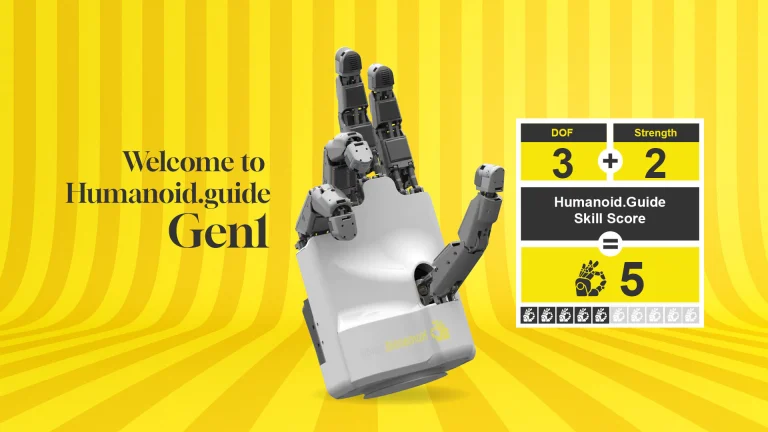
The post summarizes a discussion with Scott Walter, Robotics Research Diligence Director at RoboStrategy, who studies humanoid hand design at Tesla, Figure, 1X, WUJI and Sharpa Wave, along with less conventional approaches. Sun wrote that Bowden tubes can preserve cable length as a wrist moves, but introduce friction, wear, space requirements and additional control complexity. A hand can also have 15 moving joints but only five motors, leaving some motion determined by mechanical linkages rather than independently commanded by the controller.
Sun highlighted several architectures at the edges of the field. According to her account, Allonic braids structure around a printed bone, while Daxo Robotics uses as many as 120 tendons. Tacta Systems replaces tendon force transmission with fluid and develops the hand, glove, sensing and data system together. Its current system targets cobots and industrial arms, avoiding the size, weight and power constraints imposed by a humanoid wrist.
The post did not provide comparative test results or technical documentation for the Tesla and Figure claims. It does, however, identify the central tradeoff clearly: adding joints can create human like motion, but useful dexterity depends on how much of that motion remains controllable when the fingers make contact with real objects.
Source: Michelle Sun on LinkedIn