
Xiaomi robotic hand packs 26 motors for factory handling
Xiaomi’s industrial robotic hand combines 21 degrees of freedom with 1,500 tactile sensors, drawing on task data collected at its automotive test center.
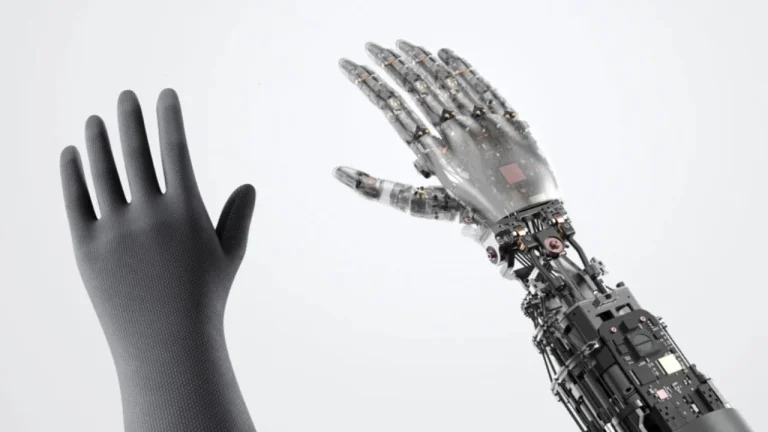
Xiaomi’s industrial robotic hand combines 21 degrees of freedom with 1,500 tactile sensors, drawing on task data collected at its automotive test center.
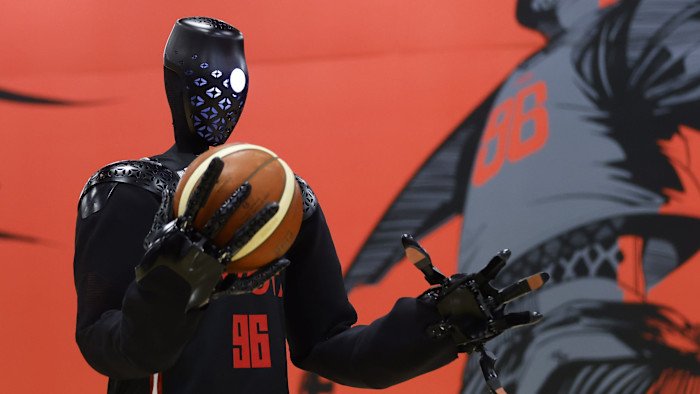
Toyota plans to deploy 400,000 robots across its automation push, with its Eley humanoid and robot learning models central to its broader robotics ambitions.
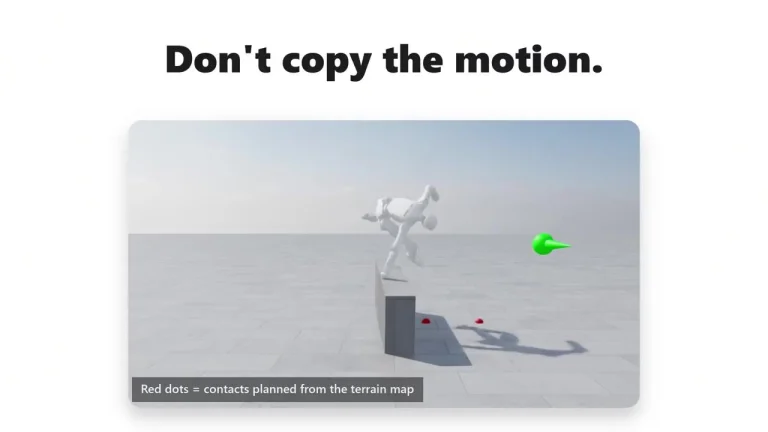
RoboHub reports that an ETH Zurich team uses one policy for walking, climbing and crawling, trained with human motion data and reinforcement learning in simulation.
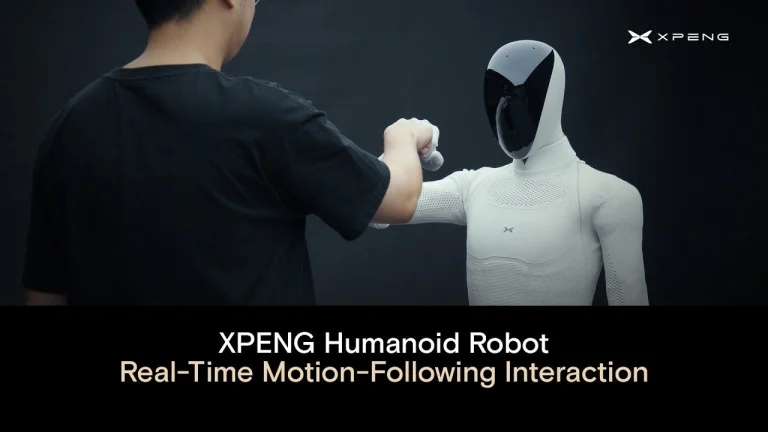
XPENG shows IRON adapting to changing hand gestures, with the company attributing its responses to an onboard VLA 2.0 model that reassesses visual input.
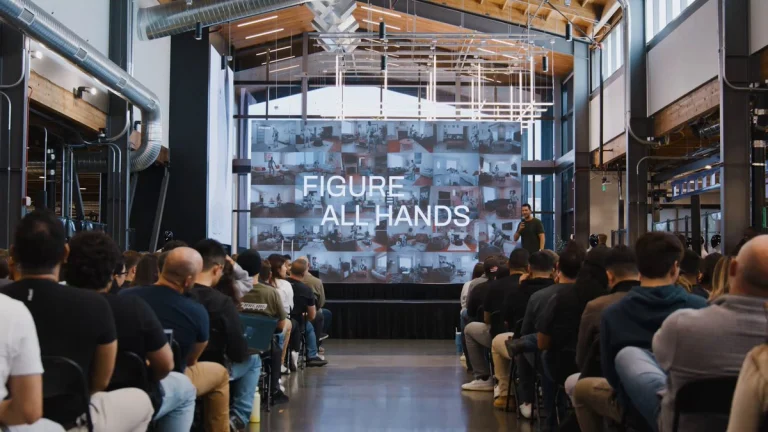
Brett Adcock says Figure’s roadmap has completely changed over the past year and its team has doubled, as he publicly shares a company staff meeting on X.
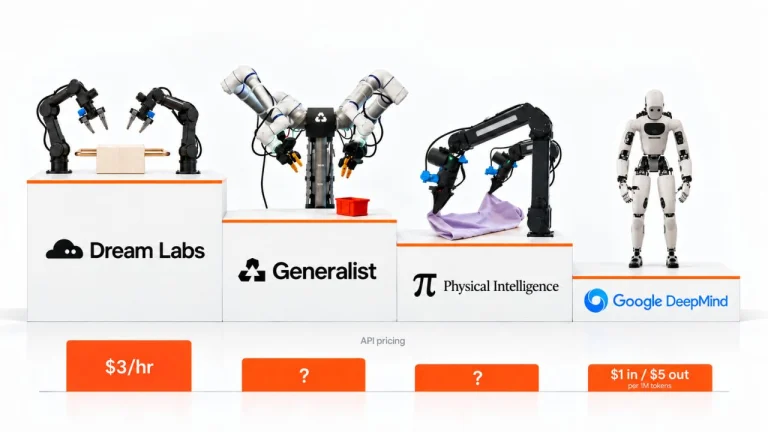
Mete Gultekin says Dream Labs has opened Dream-1 API access, citing cross robot control and comparing access models across several robotics AI developers.
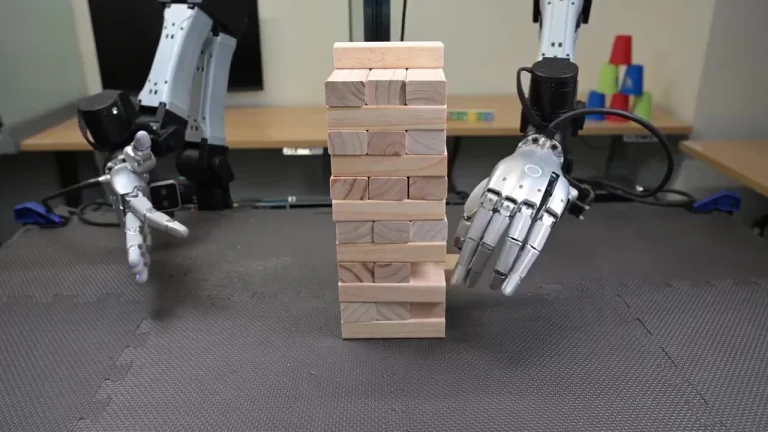
Léo Morillon describes a method that trains dexterous robot policies in simulation before adapting them to real tasks with one to two hours of demonstrations.
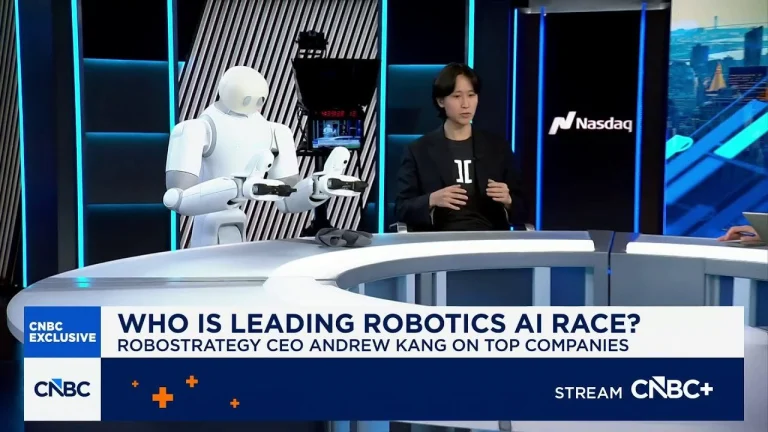
Andrew Kang told CNBC that Taku is deployed at Din Tai Fung in New York, illustrating an approach to robotics built around narrow commercial service tasks.
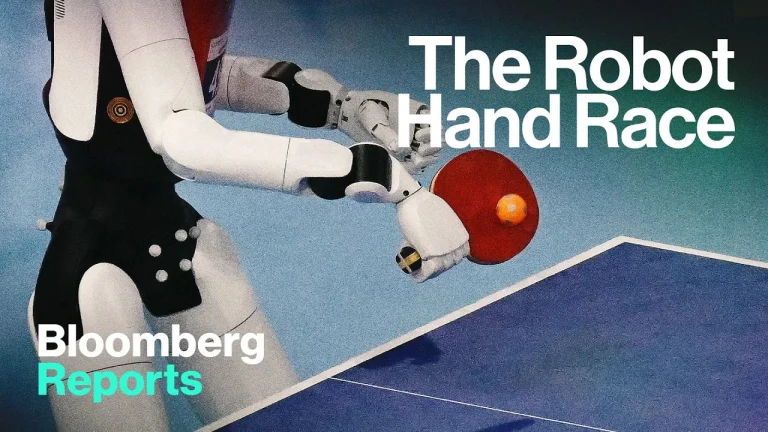
Bloomberg examines China’s push for dexterous robotic hands, backed by manufacturing supply chains and investment, while most designs remain prototypes.
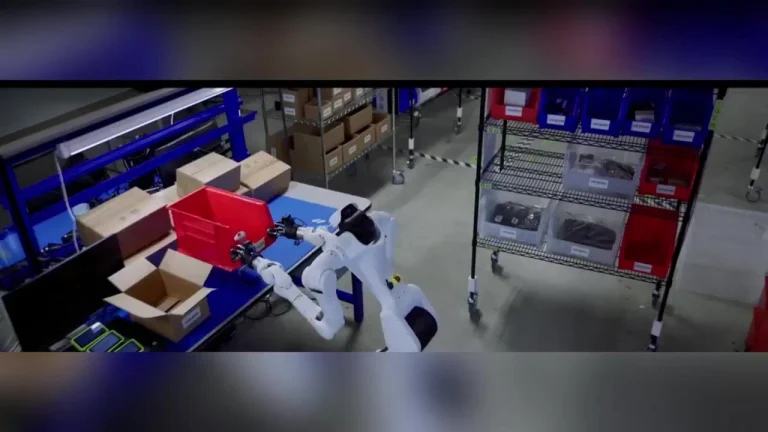
Robotics commentator Lukas M. Ziegler points to Dexmate’s Vega as a shared research platform, citing its $75,000 price and roughly four week delivery time.


