Forbes maps 18 humanoid robot companies chasing deployment
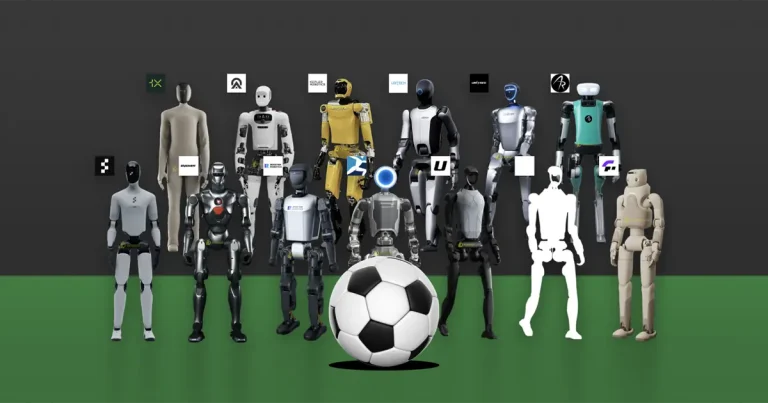
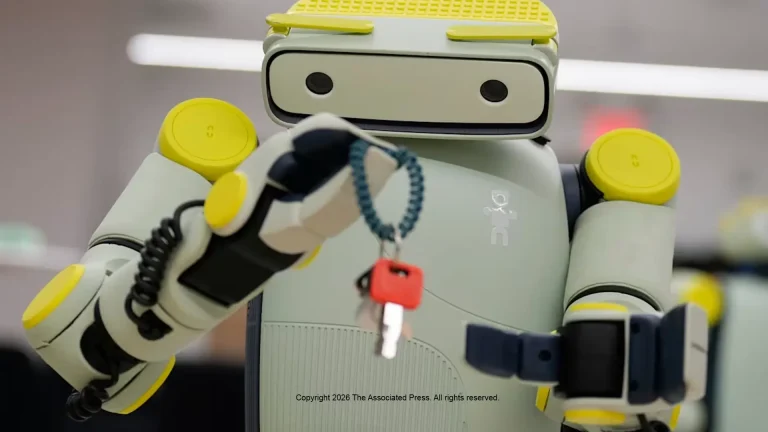
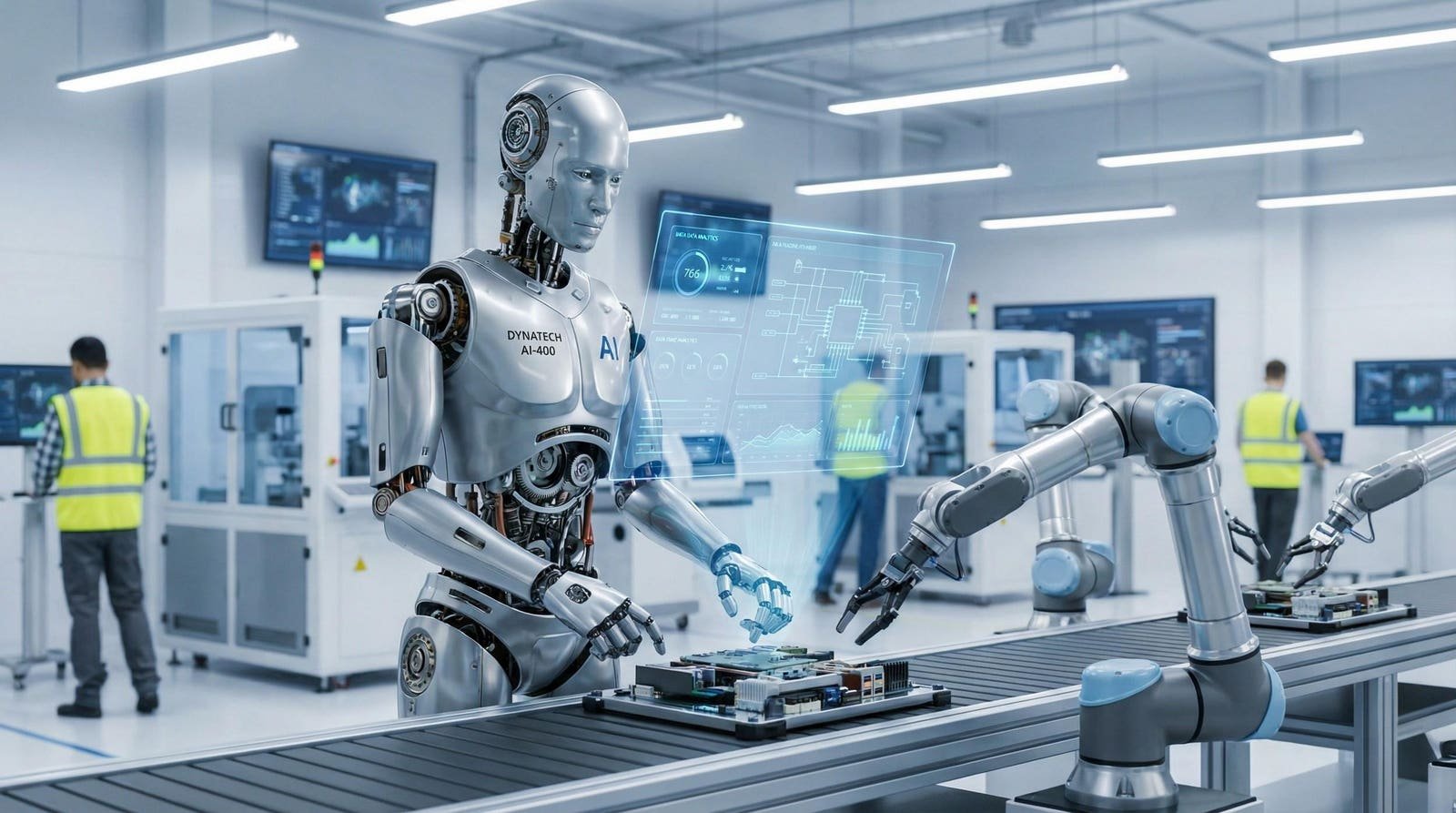
A Forbes survey has named 18 humanoid robot companies it sees as central to the current race for commercial deployment, ranging from factory focused startups such as Agility Robotics and Apptronik to large manufacturers including Tesla, BYD, Samsung and Toyota.
The useful signal in the roundup is not a single front runner. It is the difference between companies with cited factory pilots, production capacity or delivered units, and companies still leaning more heavily on demonstrations or long term consumer ambitions. According to Forbes, factories and warehouses are likely to lead adoption before homes, hospitals and care settings, where safety and variability are harder problems.
Key facts cited by Forbes
- China base: China had more than 140 humanoid robot manufacturers by 2025, with more than 330 product models, according to the Ministry of Industry and Information Technology.
- 1X Neo: The home humanoid is reportedly offered at $20,000, or $499 per month, with deliveries expected to begin in 2026.
- Agility capacity: Agility Robotics’ RoboFab facility in Oregon is reported to be capable of making 10,000 humanoid robots a year.
- Unitree pricing: Unitree’s G1 and H1 humanoids are described as costing around $16,000, with 5,500 units reportedly delivered in 2025.
Factory evidence is the strongest thread
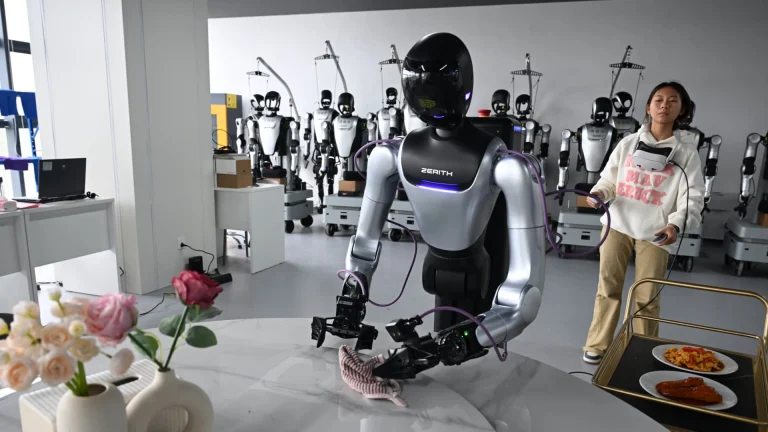
Several of the companies in the Forbes list are being judged less on humanoid form factor alone and more on whether the robots are touching real industrial work. Agility Robotics is presented as one of the clearest warehouse cases, with Digit developed for logistics tasks and work with Amazon on possible fulfillment network support.
Apptronik’s Apollo is another industrial entry. Forbes notes that Apollo builds on earlier NASA Valkyrie work, has backing from Google DeepMind, and is designed for factory and logistics use with swappable hands and hot swappable batteries. The robot is already being used on factory floors by Mercedes-Benz, according to the article.
Figure AI is also tied to automotive work. Its Figure 02 robot has been used at BMW’s Spartanburg plant, including work connected to the production of tens of thousands of vehicles, Forbes reports. Sanctuary AI’s Phoenix is framed around dexterity and fine motor control, with a Magna International partnership that has put its technology into automotive sub assembly roles.
UBTech appears in the same industrial category, with Forbes citing reports that it has built one of the largest datasets of humanoid industrial activity and one of the largest numbers of active humanoid deployments in automotive factories. Boston Dynamics remains the mobility benchmark through Atlas, although the commercial test is whether its engineering lead can be converted into scalable products.
China and cost pressure shape the field
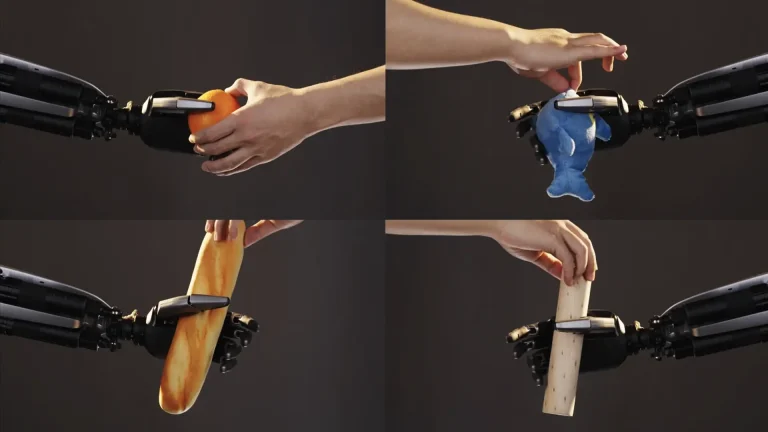
Forbes gives unusual weight to China’s humanoid ecosystem. AgiBot is described as a major Chinese player backed by BYD, with reports that it has delivered 10,000 units. Its Yuanzheng A2 series includes dexterous hands shown handling delicate tasks, and one robot reportedly completed a 106km walk from Suzhou to Shanghai without falling, setting a Guinness World Records mark.
Engine AI is cited for more fluid movement and for reportedly achieving a front flip by a humanoid robot in 2025. Unitree is presented as the affordability outlier, with humanoid models priced far below many competing systems. Xiaomi’s CyberOne is listed with a 4.7 billion parameter vision, language and action model, plus an active liquid cooling system that the company describes as robotic sweat, and is reportedly being piloted in Chinese EV manufacturing.
Fourier, which began in medical rehabilitation robotics, is included through its GR series, including GR-1 and GR-3. Forbes points to its cushioned exterior as a design choice aimed at safer interaction around people, a concern that becomes more practical as humanoids leave controlled demonstrations and work closer to staff.
Home robots remain the higher risk bet
1X Technologies is the clearest consumer wager in the list. Forbes says the OpenAI backed company has shifted from wheeled industrial robots toward domestic humanoids, with Neo demonstrated folding laundry, unloading dishwashers and tidying clutter. The article also notes the core difficulty: homes are messy, unpredictable and full of edge cases.
Other large companies are approaching humanoids through their existing industrial bases. BYD is developing robotics capabilities while partnering with AgiBot and UBTech. Samsung has taken stakes in robotics firms including Rainbow Robotics and has announced plans to make its global production facilities AI driven by 2030, with humanoids expected to play roles in assembly, logistics and facility management.
Tesla’s Optimus remains one of the most visible projects, helped by Elon Musk’s stated view that humanoid robots could become more important to Tesla than cars. Forbes says Optimus prototypes are regularly demonstrated and are reportedly being piloted inside Tesla facilities. Toyota is taking a broader route, looking at vehicle assembly while also developing soft robotics such as Punyo for safer human interaction.
Europe’s Neura Robotics is represented by 4NE1, which Forbes says uses synthetic skin to sense contact and is reportedly capable of lifting up to 100kg. Noble Machines, a California startup founded by former Apple, SpaceX and NASA employees, is described as having put its first humanoid robots to work at a Fortune 500 company within 18 months.
For operators and robotics teams, the Forbes list is best read as a map of evidence quality. Factory pilots, delivered units, production capacity and pricing deserve more weight than stage feats or broad claims about general purpose labor. The next filter is whether those robots can run useful tasks repeatedly, safely and at a cost that survives outside a pilot budget.
Source: forbes.com