Neura unveils lighter 4NE1 Gen 4 as Munich RoboGym opens
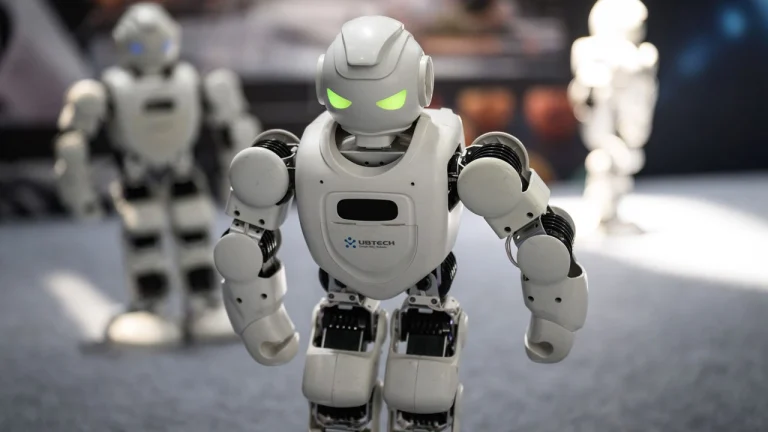
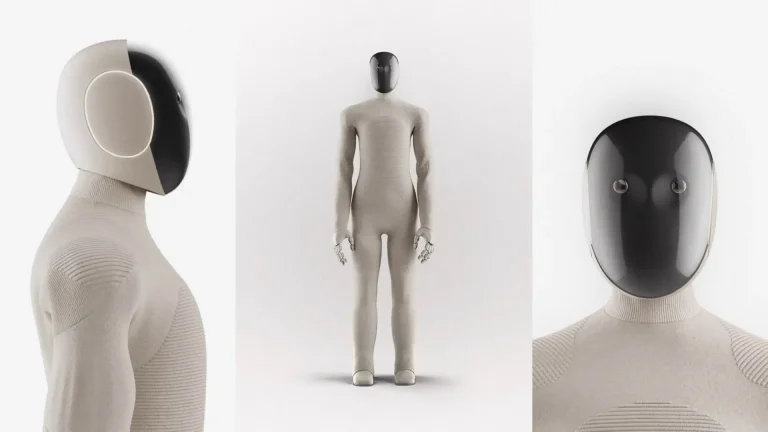
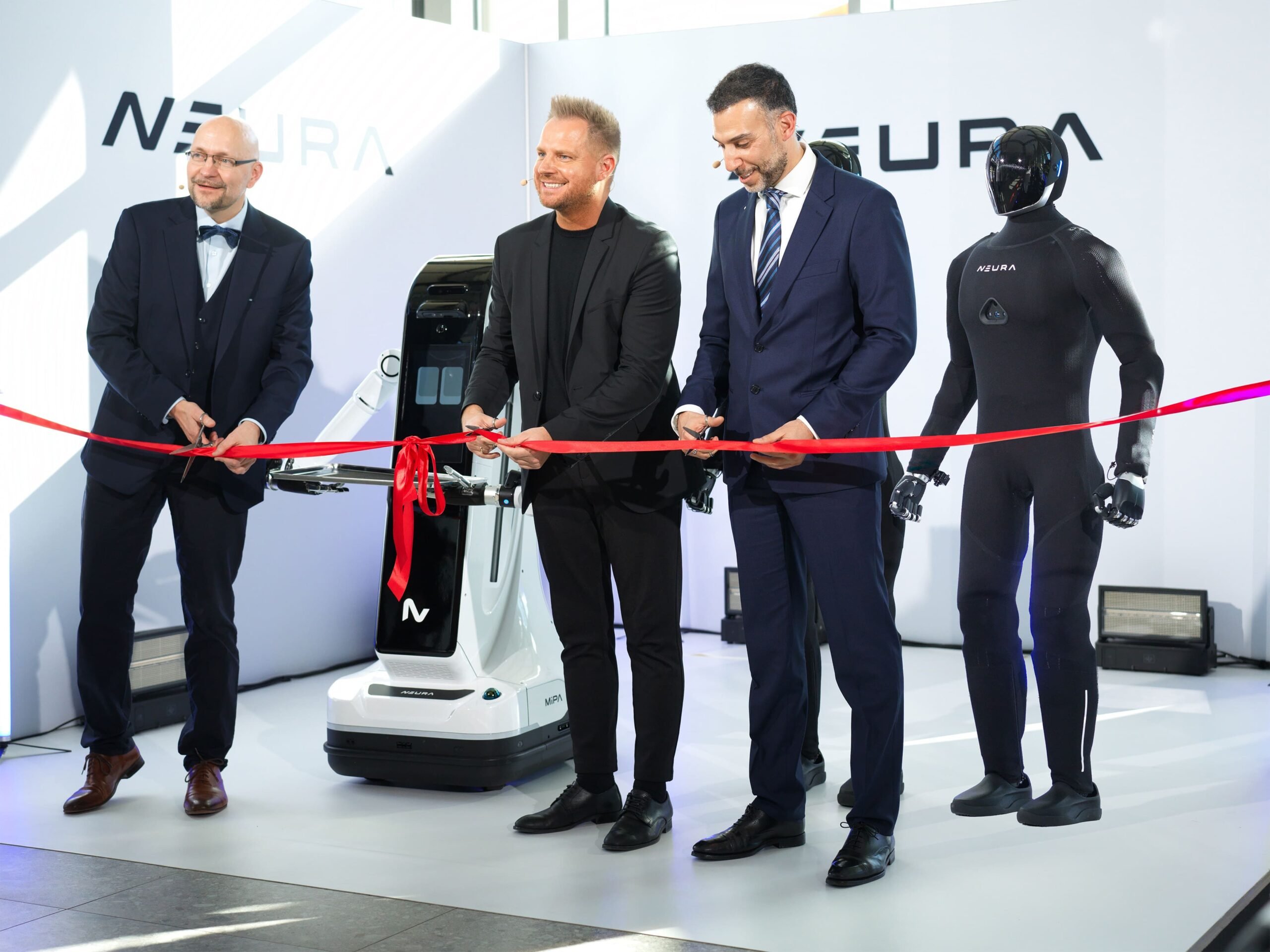
Neura Robotics has unveiled 4NE1 Gen 4 alongside the opening of a €17 million robot training center with the Technical University of Munich (TUM). According to The AI Insider, Neura says the humanoid is 20% lighter than its predecessor, is already being used at the facility and is being prepared for series production.
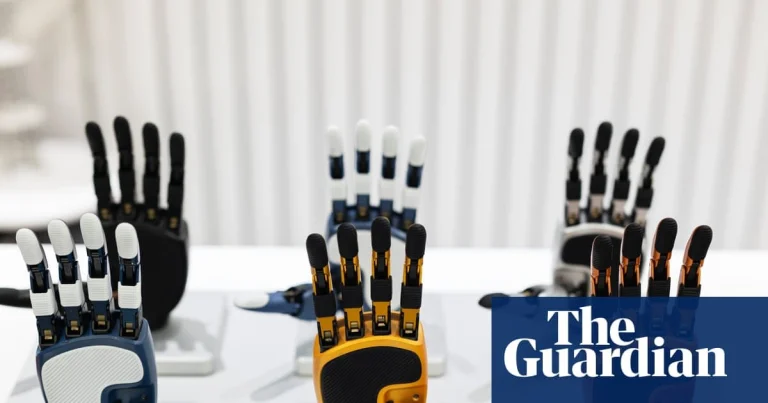
The hardware changes include a slimmer body, upgraded hands and what Neura calls Smart Limbs. The company says these place reflex style control directly in the limbs, allowing them to respond independently to environmental changes. Neura also claims more precise gripping from the revised hands.
The humanoid runs Neuron AI, Neura’s Perception-Language-Action model. According to the company, it combines vision, touch, force, sound and information about the robot’s own state to guide movement and assess whether an action has succeeded. Its example is recognizing when a fastener has clicked into place, a task that requires more than identifying an object visually.
A training site for industrial tasks
The 2,300 square meter TUM RoboGym is located at LabCampus near Munich Airport and was established with TUM’s Munich Institute of Robotics and Machine Intelligence. The initiative is initially planned for three years, with Neura contributing about €11 million of the roughly €17 million investment.
Training began in September. According to Neura, activities include handling cardboard boxes, filling bottles, and loading and unloading wooden components. These are facility level examples, rather than tasks attributed specifically to 4NE1 Gen 4.
Neura says companies from more than 10 industries are participating, including automotive, pharmaceuticals, medical technology, packaging, logistics, agriculture and care. The center is intended to let companies test applications, identify the robot skills they need and evaluate systems before expanding deployment in their own operations.
For humanoid development, the facility links practical task testing with three sources of training data. Robots record their movements, physical contacts and action outcomes. Human workers demonstrate tasks through sensor equipped suits, motion capture and teleoperation. Simulation adds variations in tasks and conditions before skills are tested on physical hardware.
Neura says its Neuraverse platform structures and processes those data streams for research and model development. The company also says skills learned by one connected robot can be made available to other robots through the platform. Munich is planned as the first site in a broader international network of Neura Gyms.
Source: AI Insider