LimX Luna humanoid launches with 27 DOF and $41,000 price tag
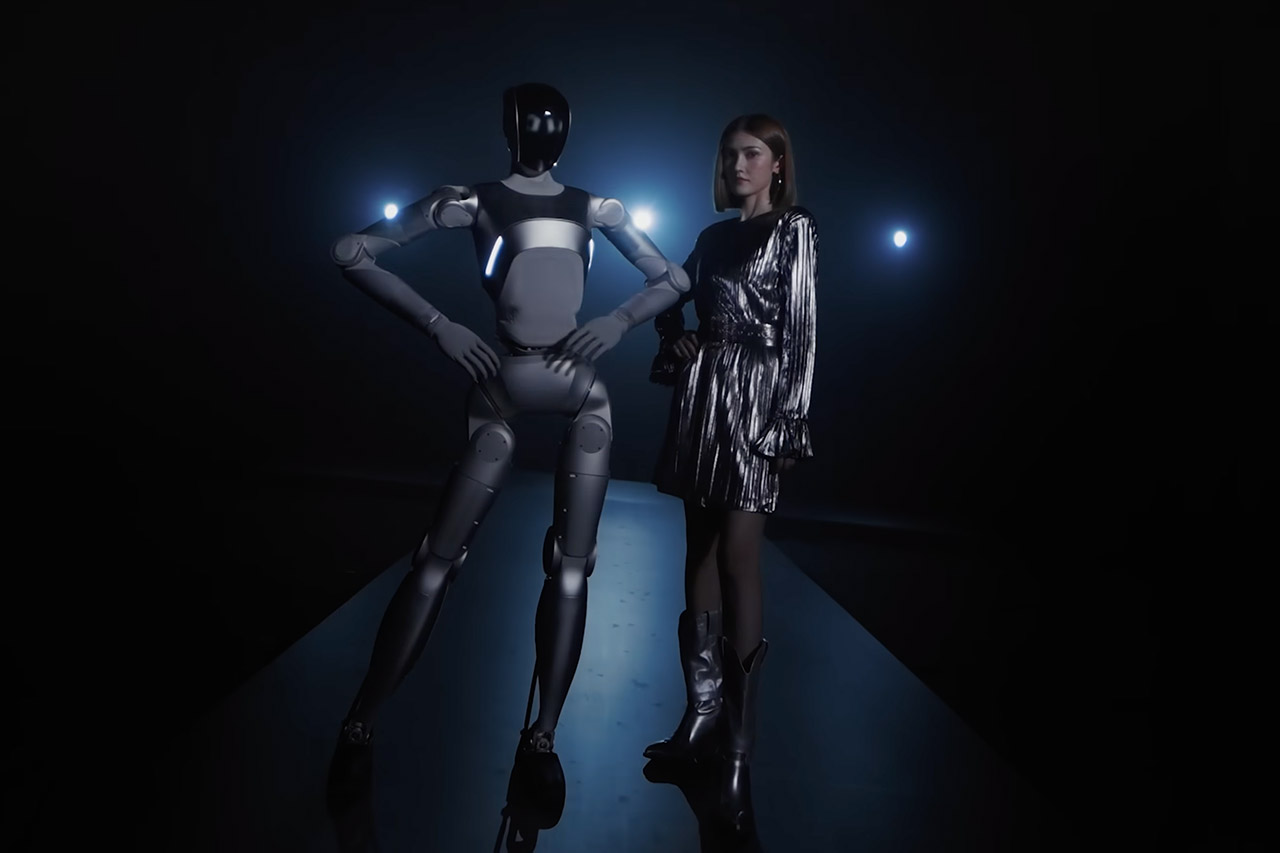
LimX Dynamics has introduced the LimX Luna humanoid, a full-size bipedal robot aimed at commercial venues and research teams, with a stated launch price of $41,000. According to techeblog.com, Luna combines a 160 centimeter frame, 27 active degrees of freedom, and walking speeds of up to 5 kilometers per hour, placing it in a segment that is trying to balance humanlike motion with lower acquisition cost.
The source describes Luna as a 54 kilogram platform with its battery installed, finished with textile exterior materials that give it a less overtly industrial appearance than many earlier humanoid designs. LimX is positioning the robot for places such as retail malls and amusement parks, while also presenting it as a more affordable embodied AI platform for research organizations.
LimX Luna humanoid specifications
On the hardware side, Luna is built around 27 active degrees of freedom across the legs, arms, waist, and neck. Techeblog.com reports that the robot uses a second generation motion system with stronger joint motors, intended to improve balance and smoothness during walking and gesturing. The reported top walking speed is 5 kilometers per hour.
The upper body is designed for light manipulation rather than heavy industrial handling. The arms can carry up to 3 kilograms, although the source notes that practical carrying capacity depends on how an object is held. LimX also offers several hand configurations, including a standard palm, a fist, and a five-finger hand with additional degrees of freedom for applications that need more dexterity.
Power comes from a standard battery rated for about four hours of continuous use. The battery can be recharged in one hour and supports hot swapping, which matters for venues that want longer operating sessions without extended downtime. The article also says the cooling system has been upgraded to reduce heat buildup in the joints during prolonged use, a change tied both to reliability and to safer operation around people.
Control system and synchronized operation
Luna includes several layers of control, depending on how much customization an operator needs. Basic functions can be handled through an app that connects to the robot, issues simple commands, and checks system status, while a handheld remote provides another control option. For more advanced use, optional development tools are available for training, choreography creation, and video based imitation.
The software stack also includes what the source calls an AI task editor, which can assemble action sequences from spoken or typed instructions in English. Those sequences can combine movement, visual effects, and vocal output, according to techeblog.com. For larger productions, Luna can also synchronize with other units, with the article claiming coordination of up to 200 robots at millisecond level resolution.
Perception hardware appears relatively simple but targeted to common interaction tasks. The robot is equipped with an in-house six-axis motion sensor and an RGB camera, along with other unspecified perception capabilities that allow it to monitor its surroundings and adjust behavior. The source also says Luna includes redundancy and system monitoring for joint limits, balance, and nearby conditions.
Commercial and research positioning
The clearest use cases described for Luna are customer-facing environments rather than warehouse or factory automation. LimX is presenting the robot as a guide, performer, or interactive greeter for retail malls and amusement parks, applications where gesture quality, appearance, and multi-robot coordination can matter as much as raw payload. In that sense, the robot looks aimed at service and presentation roles first.
The $41,000 launch price is one of the more notable details in the report. Based on the source text, Luna is being framed as an option for research organizations working on embodied AI that cannot justify the cost of larger humanoid prototypes. That positioning suggests LimX is trying to compete less on maximum strength and more on accessibility, programmability, and deployable presentation use cases.
What remains unclear from the report is how quickly Luna will move from announcement to broad field deployment, and how many buyers will adopt it outside demos and staged environments. The next practical test for the platform will be whether this combination of price, runtime, synchronized operation, and light manipulation is enough to make the robot useful in day-to-day commercial and research settings.
Source: techeblog.com