Figure AI files wearable rig patent for humanoid training
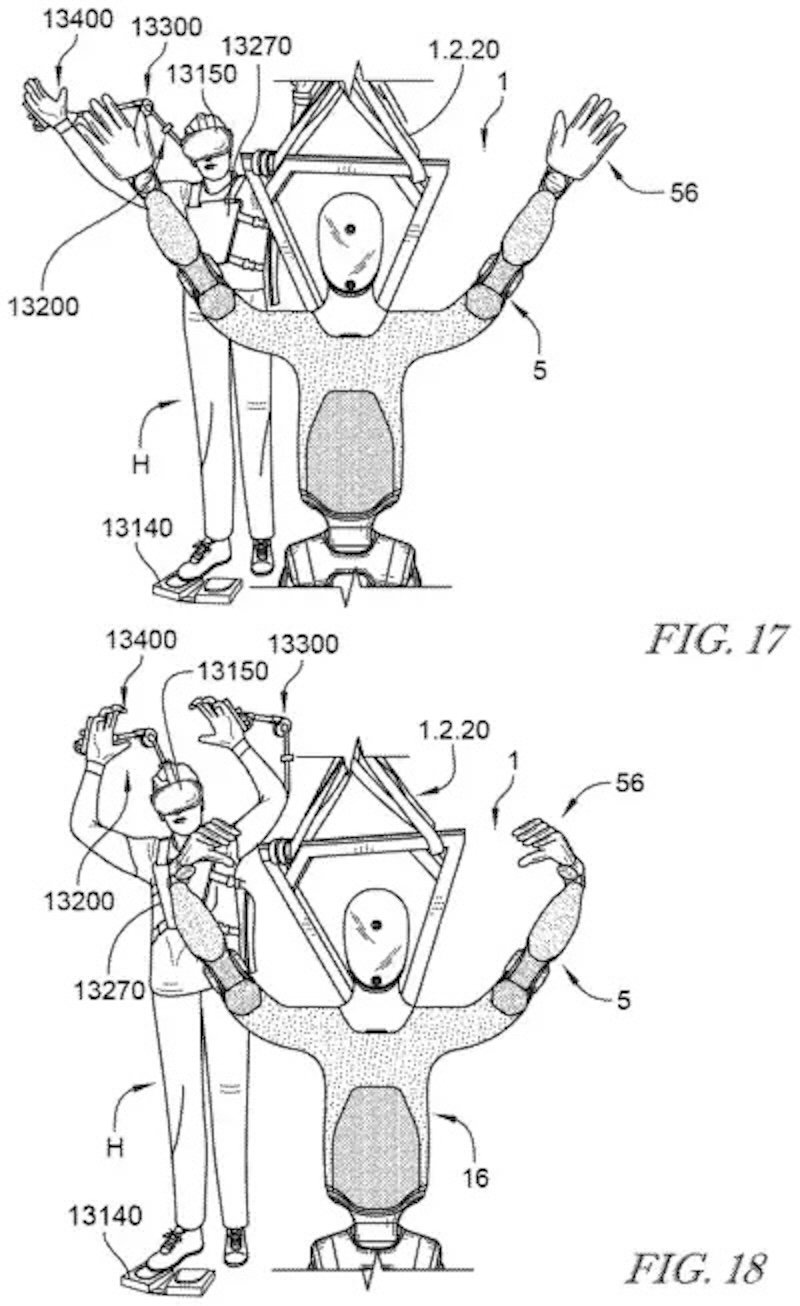
Figure AI has filed a patent application for a wearable rig designed to capture human arm movements for humanoid training and remote control, according to Robotics and Automation News. Published on November 19, 2026, application US 2026/0364774 A1 describes a backpack style frame with two articulated mechanical arms that follow the wearer’s movements. The proposal would allow demonstrations to be recorded during practical tasks in factories and warehouses, rather than requiring a dedicated motion capture studio. The filing describes a proposed system, not a commercial product announcement.
The Figure AI wearable rig uses a torso harness, with mechanical arms extending over the operator’s shoulders and connecting to the hands through glove style attachments. According to the application, each arm can provide up to seven axes of rotation, with sensors measuring shoulder, elbow and wrist movement. Joint encoders record rotational positions, while inertial measurement units track orientation and motion. The arrangement is designed to accommodate different body sizes without extensive attachments along the wearer’s arms. Recorded sensor data could support subsequent machine learning, or be transmitted to a humanoid for direct control.
For teleoperation, the filing describes translating human movement into robot commands with an end to end delay of less than 20 milliseconds. That is a proposed performance feature, rather than a reported test result. The same apparatus could therefore support both demonstration collection and live manipulation, two distinct uses for its movement measurements. A headset could show the operator video from the robot’s cameras. The application also describes a clutch that temporarily interrupts movement data transmission, including a configuration in which machine learning software detects pauses in the operator’s activity and activates the clutch automatically.
Source: Robotics & Automation News