South Korea backs Atlas humanoid robots for 2028 rollout
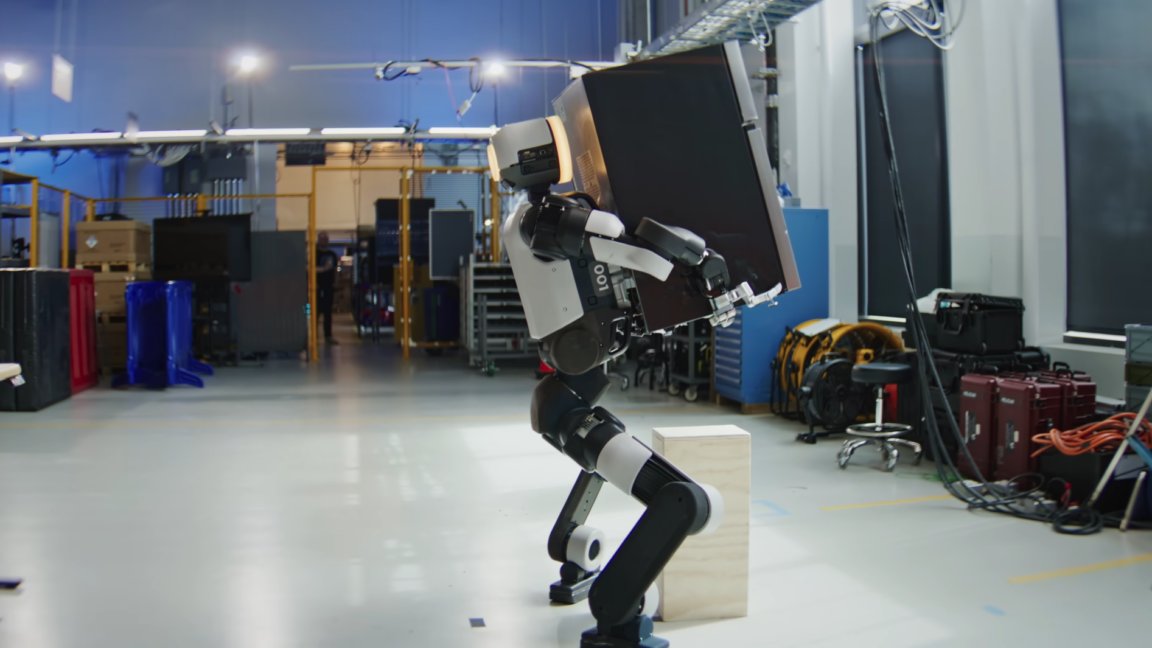
South Korea’s government has designated physical AI as a national strategic industry and set a 2028 target to commercialize humanoid robots in 10 major industries, according to Ars Technica. The robotics program is part of a much larger $1 trillion package dominated by memory chip fabs and AI data centers, but the humanoid component is specific: Hyundai Motor is tying future factory robotics capacity to Boston Dynamics’ Atlas platform.
Hyundai has committed $5.8 billion to build a robot manufacturing facility and AI data center in the Saemangeum region of North Jeolla Province, Ars Technica reported, citing The Chosun Daily. Hyundai, which acquired Boston Dynamics in 2021, has been using South Korea’s supply chain to help scale Atlas production, with a stated goal of producing 30,000 Atlas humanoid robots each year by 2028.
Key facts
- Total package: $1 trillion across semiconductors, AI data centers and physical AI
- Hyundai commitment: $5.8 billion for a robot manufacturing facility and AI data center
- Atlas target: 30,000 humanoid robots per year by 2028
- Government target: humanoid robot commercialization in 10 major industries by 2028
- Workforce plan: 10,000 AI robotics specialists over the next five years
Physical AI gets a national industry label
The government plan places humanoids inside a broader physical AI agenda, not a standalone robotics subsidy. President Lee Jae Myung described semiconductors, physical AI and AI data centers as the country’s three core priorities for AI infrastructure.
"We must secure the core elements of AI faster than any other country."Lee Jae Myung, South Korean president
Under the plan, South Korea aims to develop a Korean general purpose foundation model based on a world model to support robots within three years, according to The Chosun Daily as cited by Ars Technica. Reuters also reported that the government plans to train 10,000 human workers as AI robotics specialists over the next five years.
The hardware and model ambitions are being paired with large compute and chip projects. Samsung and SK Hynix are committing $585 billion toward new semiconductor fabs, while SK Group, GS Group and Naver are backing $357 billion in AI data centers in outlying provinces. For humanoid robotics, the relevant question is how much of that infrastructure actually reaches robot training, simulation, fleet management and factory deployment rather than staying concentrated in general AI and memory demand.
Hyundai faces labor pushback over Atlas
The Atlas rollout is already a labor issue. Ars Technica reported that Hyundai Motor’s labor union overwhelmingly approved a potential strike on June 25 while negotiating with the automaker over profit sharing and job protections tied to planned deployment of Atlas humanoid robots.
A state labor mediation committee granted the union the legal right to strike after suspending arbitration, and Hyundai has asked the union to return to negotiations. That makes South Korea’s humanoid program unusually exposed to workforce politics at an early stage. Many humanoid companies talk about industrial labor shortages in general terms. Hyundai is closer to the harder version of the problem: introducing humanoids into existing factories with organized labor, job classifications and bargaining power already in place.
Source: arstechnica.com