AGIBOT A2 humanoid robot showcases Jakarta, eyes industry roles
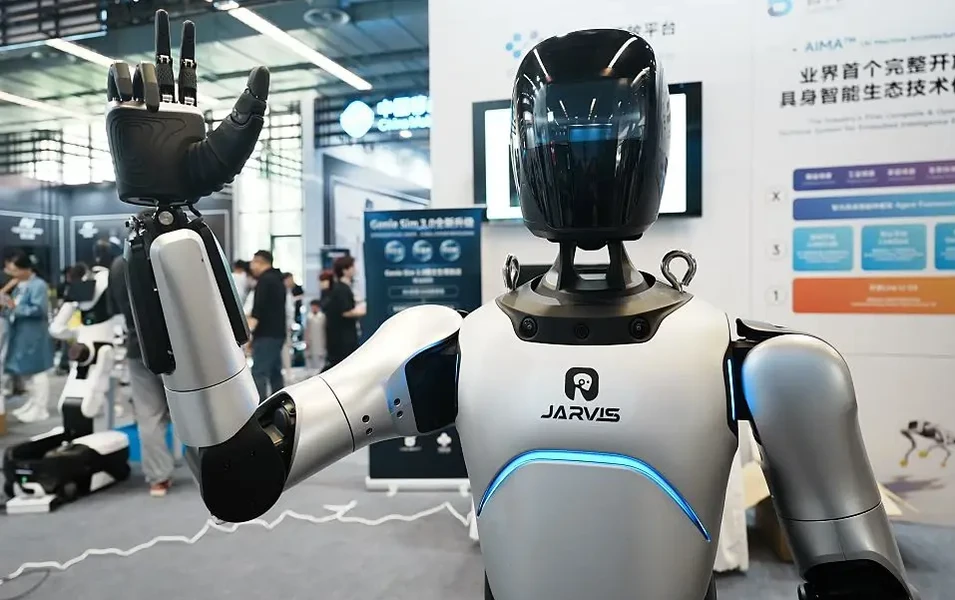
The AGIBOT A2 humanoid robot took the stage at a May 21 cultural event in Jakarta, where it performed live calligraphy, danced, and hosted parts of the program while interacting with attendees in real time. The demonstration mattered beyond spectacle because it was presented as part of AGIBOT’s entry into Indonesia, with the company and local partner ASIX positioning the robot as a candidate for future work in factories, logistics, hospitality, and other public-facing settings.
AGIBOT A2 humanoid robot makes a cultural debut
According to MSN’s summary of the event, which cites Interesting Engineering, the robot wrote the phrase "Tea for Harmony" alongside human artists. That detail is notable because calligraphy places visible demands on hand control and movement precision, and the event framed the machine as able to collaborate in an artistic setting rather than simply perform a pre-recorded routine.
The Jakarta appearance also combined several different forms of interaction in one venue. Dance, calligraphy, and live hosting test different parts of a humanoid system, including whole-body coordination, fine motor execution, and the ability to engage with people in a public environment. For a company entering a new market, that mix can serve as a practical demonstration of both technical range and social presence.
Indonesia entry is tied to local adaptation
The event was held with Indonesian AI accelerator ASIX, which the source describes as a partner in adapting humanoid robotics for local markets. AGIBOT’s stated emphasis was not limited to hardware deployment. The company also highlighted cultural sensitivity and public acceptance, suggesting that its Indonesia strategy is as much about fitting the robot into local environments as it is about proving the machine’s functions.
That matters because early humanoid adoption in service and public settings depends on more than task completion. Hospitality, education, and retail all require a level of comfort from staff, customers, and bystanders. The source says company executives described the showcase as a step toward introducing AI embodied productivity solutions into Indonesia’s factories, commercial spaces, and everyday life, which places localization and user acceptance alongside performance.
From public showcase to industrial work
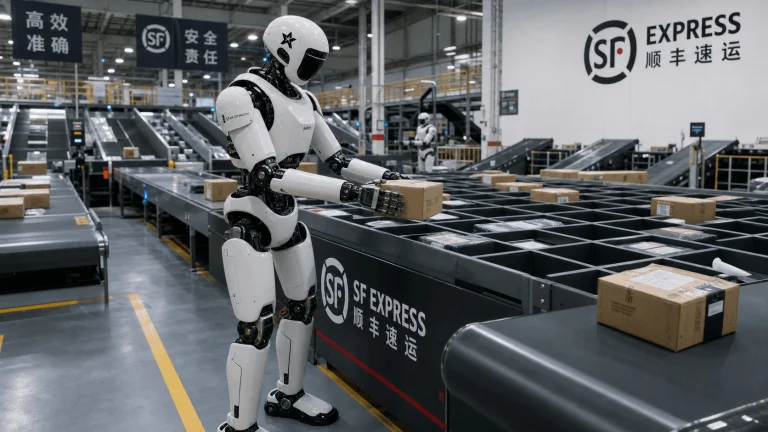
AGIBOT’s ambitions, as described in the report, extend well beyond cultural events. The company envisions humanoids taking on production line loading, logistics sorting, retail assistance, and security patrols. Those are varied environments, but they share a common requirement: a robot that can operate in spaces built around people and deal with tasks that may not be identical from one cycle to the next.
The source also points to earlier industrial activity. Earlier in 2026, according to the report, AGIBOT’s G2 humanoids were deployed in a live tablet manufacturing line at Longcheer Technology. MSN, citing Cryptopolitan, describes that as one of the first large-scale uses of embodied AI in active consumer electronics production, a claim that, if sustained in day-to-day operations, would give AGIBOT more than a demonstration story as it expands into Southeast Asia.
What the Jakarta showcase signals for humanoid adoption
The Jakarta event reflects a broader pattern in the humanoid sector, where companies use visible public demonstrations to build familiarity before pushing into industrial and commercial deployments. In this case, the AGIBOT A2 humanoid robot was not presented as an entertainment endpoint. It was introduced as a bridge between cultural engagement and operational use, backed by a local market partnership and references to factory work already underway elsewhere.
What remains unclear is how quickly that transition will happen in Indonesia. The source itself notes that cost, infrastructure, and public acceptance could slow adoption, even if deployment-ready capabilities arrive on AGIBOT’s expected timeline. At the same time, the combination of local partnerships, public-facing trials, and early manufacturing use suggests that Southeast Asia is becoming an important testing ground for whether humanoids can move from staged versatility to repeatable commercial work.
Source: msn.com