Robostrategy CEO says Taku robot folds napkins at Din Tai Fung
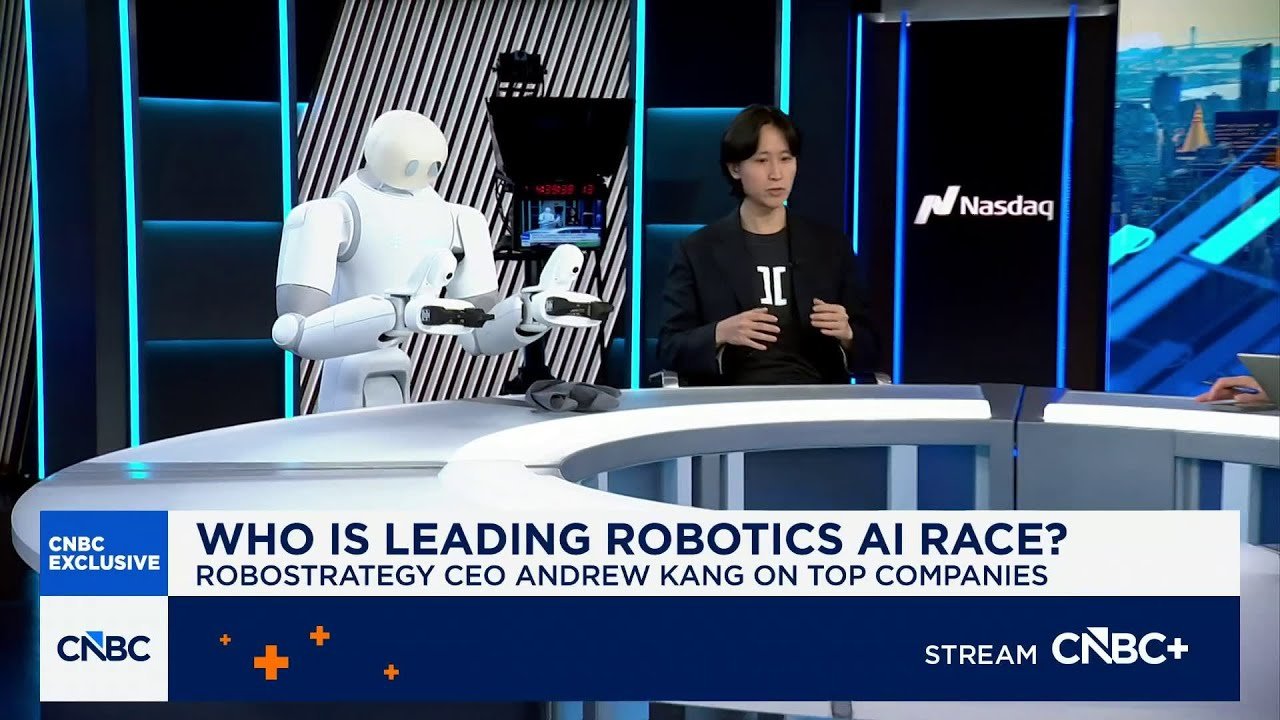
A Taku robot is deployed at Din Tai Fung in New York to fold napkins, Robostrategy cofounder and CEO Andrew Kang said in an interview with CNBC Television. Kang brought the robot onto Closing Bell Overtime, where it was shown picking up cloth as he discussed commercial uses for physical AI.
Kang described hospitality work as an early application for robots that handle repetitive textile tasks. At the restaurant, he said, employees can spend entire shifts folding napkins. His argument for automating that work was labor reassignment: taking folding off employees’ hands so they can perform more skilled tasks elsewhere.
The deployment claim is narrower than a general purpose service robot proposition. Kang cited napkin folding, laundry folding and data center operations as examples of specialized tasks robots are already performing, while saying deployments have not reached millions of units. The studio segment showed cloth handling, rather than the full restaurant workflow he described.
Specialized tasks before broader capabilities
Kang compared the development strategy to Waymo’s approach: build physical AI around constrained tasks, accumulate operating experience and improve models over time. He expects those models eventually to generalize to a wider range of human activities. That is his forecast for how capabilities develop, rather than a capability demonstrated by Taku in the interview.
For an industrial example, Kang pointed to Path Robotics and AI enabled welding. He said the company had needed hundreds of thousands of welding hours of data to make its model commercially viable. According to Kang, Path is deploying with Hyundai Heavy Industries and recently signed a $600 million contract.
The examples linked two very different applications through the same commercial logic: training and deploying robots for a defined job before pursuing broader functionality. Napkin handling in hospitality and welding in shipbuilding have distinct operating requirements, but Kang presented both as businesses built around specialized physical work.
His investment thesis also leaves room for multiple robot suppliers. Kang said Robostrategy expects different machines to serve different market segments, rather than a single company dominating robotics. He cited Figure AI as a prominent private company and said his firm considers its humanoid comparable to, or slightly more advanced than, Tesla’s Optimus, an assessment he offered as an investor.
Robostrategy has invested some money in defense, Kang said, but its main focus is robots for commercial services and homes.
Source: youtube.com – CNBC Television