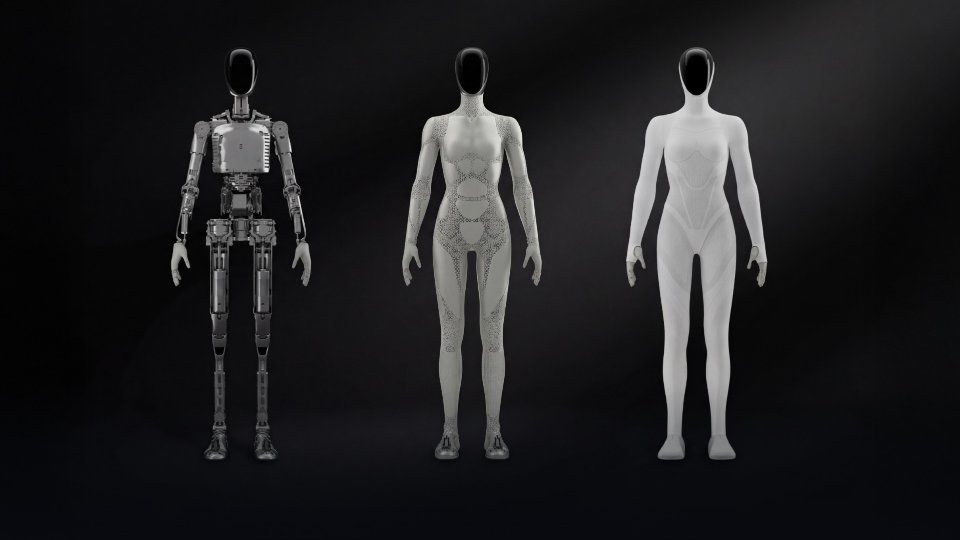
XPENG humanoid robotics unit raises more than $900 million
XPENG’s humanoid robotics business has raised more than $900 million in its first funding round, giving the unit a valuation above $6.3 billion after financing. According to Gasgoo, XPENG announced the equity agreements on August 24, 2026, and described the transaction as the largest single private equity round completed in China’s embodied intelligence sector.
IDG Capital led the round, with Gaorong Ventures participating and strategic support from Tencent and Alibaba. The financing gives XPENG’s robotics operation a market based valuation while leaving the parent company in control.
Funding supports an in house robotics stack
XPENG said the capital will support continued investment in its physical AI technology, including the robot platform, high level intelligence, motion control, data systems and computing infrastructure. Some of the funding will also support long term incentive programs for executives and other key personnel.
After the transaction closes, XPENG Group will retain control of the robotics unit and continue including it in its consolidated financial statements. The company expects the investors to contribute resources for ecosystem development and potential applications, although the announcement did not identify specific commercial partners or deployment sites.
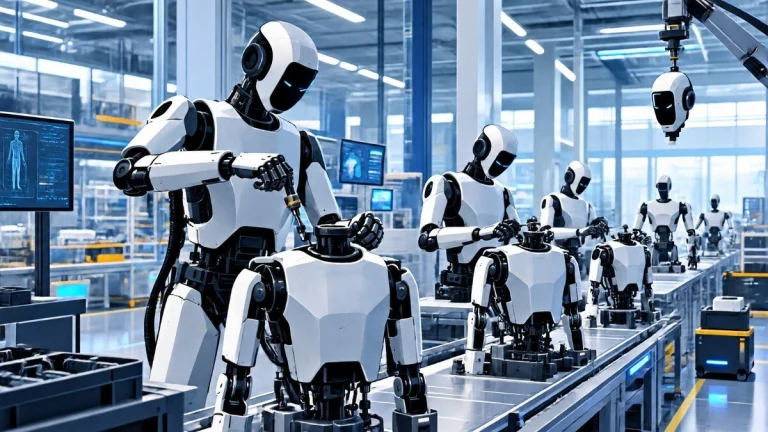
The robotics operation draws on XPENG’s vehicle development, manufacturing and supply chain systems. Its stated objective is to apply automotive grade production practices to humanoids, including internally developed chips, controllers, motion modules and dexterous hands.
IRON combines 76 degrees of freedom with on robot AI
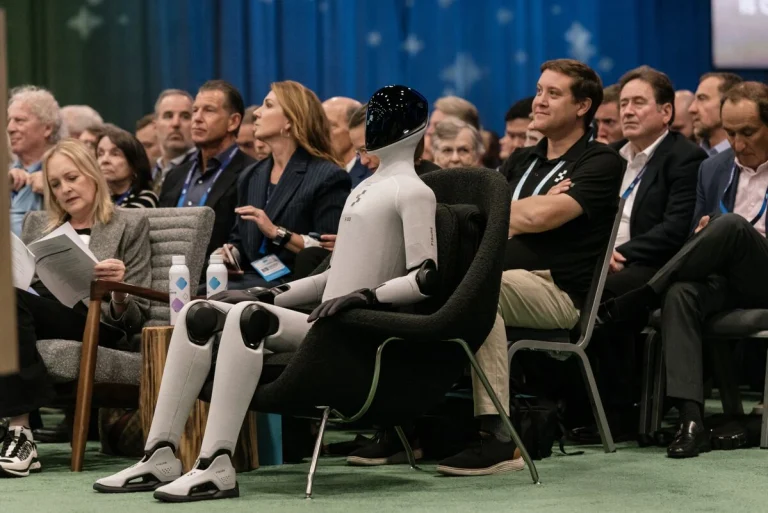
IRON is the central humanoid platform in XPENG’s physical AI strategy. The robot has 76 degrees of freedom across its body and 21 degrees of freedom in each hand. XPENG also describes it as the first humanoid in the sector with a fully covered flexible lattice structure, intended to balance a human like appearance with physical safety.
Three Turing AI chips provide claimed effective computing performance of up to 2,250 TOPS. XPENG says this allows its physical AI model to run directly on the robot, reducing inference latency and enabling IRON to perform complex tasks without remote operation. The announcement did not provide an independent benchmark or detailed task evaluation to substantiate that autonomy claim.
XPENG plans to use human behavioral data and information collected from deployed robots to train successive versions of its models. The company argues that IRON’s human like hardware should make it easier to learn from human demonstrations and operate in spaces built around human movement.
The financing provides substantial resources for the XPENG IRON program, but the announcement did not disclose a deployment schedule, production target, customer roster or price for the humanoid.
Source: autonews.gasgoo.com