ENGINEAI humanoid factory opens in Shenzhen for mass production
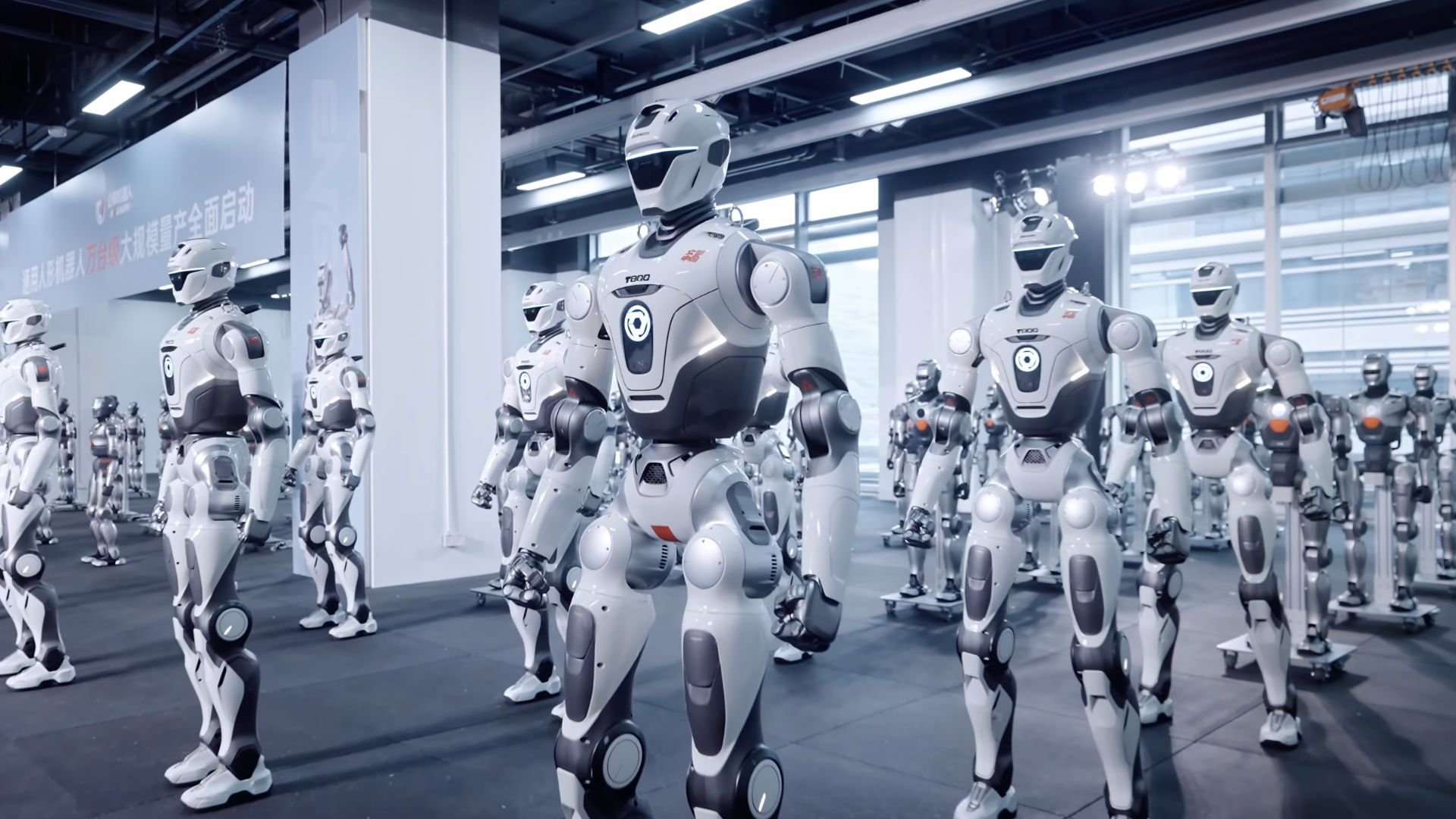
ENGINEAI has opened its ENGINEAI humanoid factory in Shenzhen, and the first batch of its T800 humanoid robots has already come off the line. The Chinese company says the plant is configured to produce one humanoid robot every 15 minutes, a manufacturing pace aimed at higher-volume deliveries and faster commercialization of its humanoid platform.
ENGINEAI humanoid factory targets higher output
According to Interesting Engineering, the Shenzhen facility spans about 129,000 square feet in the Honghualing district and is organized as a fully integrated manufacturing site. ENGINEAI said the plant combines incoming quality checks, component testing, assembly, pre-shipment testing, logistics, and after-sales service within one workflow.
The setup is notable because ENGINEAI is presenting the site as a single-system manufacturing base rather than a limited pilot line. In the source text, the company says the workflow is meant to raise efficiency, keep product quality steady during large-scale production, and support future demand as humanoid robots move into industrial and inspection work.
Testing regime centers on reliability before shipment
ENGINEAI said each robot must complete 79 quality checks and 46 simulation tests before leaving the factory. Those procedures are intended to verify stability, durability, and consistent performance before delivery, indicating that the company is putting a formal validation layer around outbound shipments.
The source does not provide a detailed technical specification for the T800, but it describes the model as a heavy-duty humanoid robot. ENGINEAI’s current lineup also includes the PM01 humanoid robot and the lightweight SA02 companion robot, alongside a quadruped platform, showing that the company is developing both two-legged humanoids and other robotic form factors.
Expansion plans reach beyond Shenzhen
ENGINEAI was founded in October 2023 and is based in Shenzhen. The company said opening the Honghualing manufacturing base marks its move toward delivering up to 10,000 units, although the source text does not specify over what period that target would be reached or how production would be split across models.
The manufacturing push is also extending to Henan province. ENGINEAI said it is planning a global smart manufacturing headquarters in Zhengzhou, where a separate 10,000-unit production line is being built at the ENGINEAI Intelligent Manufacturing base in Zhengzhou Yunzhi Science Park.
According to the company, the Zhengzhou operation will work with local suppliers of key parts and support wider use of humanoid robots in the region. Earlier this year, ENGINEAI also completed a Series B financing round that raised $200 million, a deal the company said pushed its valuation above 10 billion yuan, or about $1.4 billion.
For the humanoid sector, the announcement is notable less for a new robot model than for the manufacturing claims behind it. The next markers will be whether the Shenzhen plant can sustain its stated cycle time in routine production, how quickly the Zhengzhou line comes online, and whether industrial and inspection customers convert that capacity into repeat orders.
Source: interestingengineering.com