NVIDIA announces Isaac GR00T humanoid robot reference design
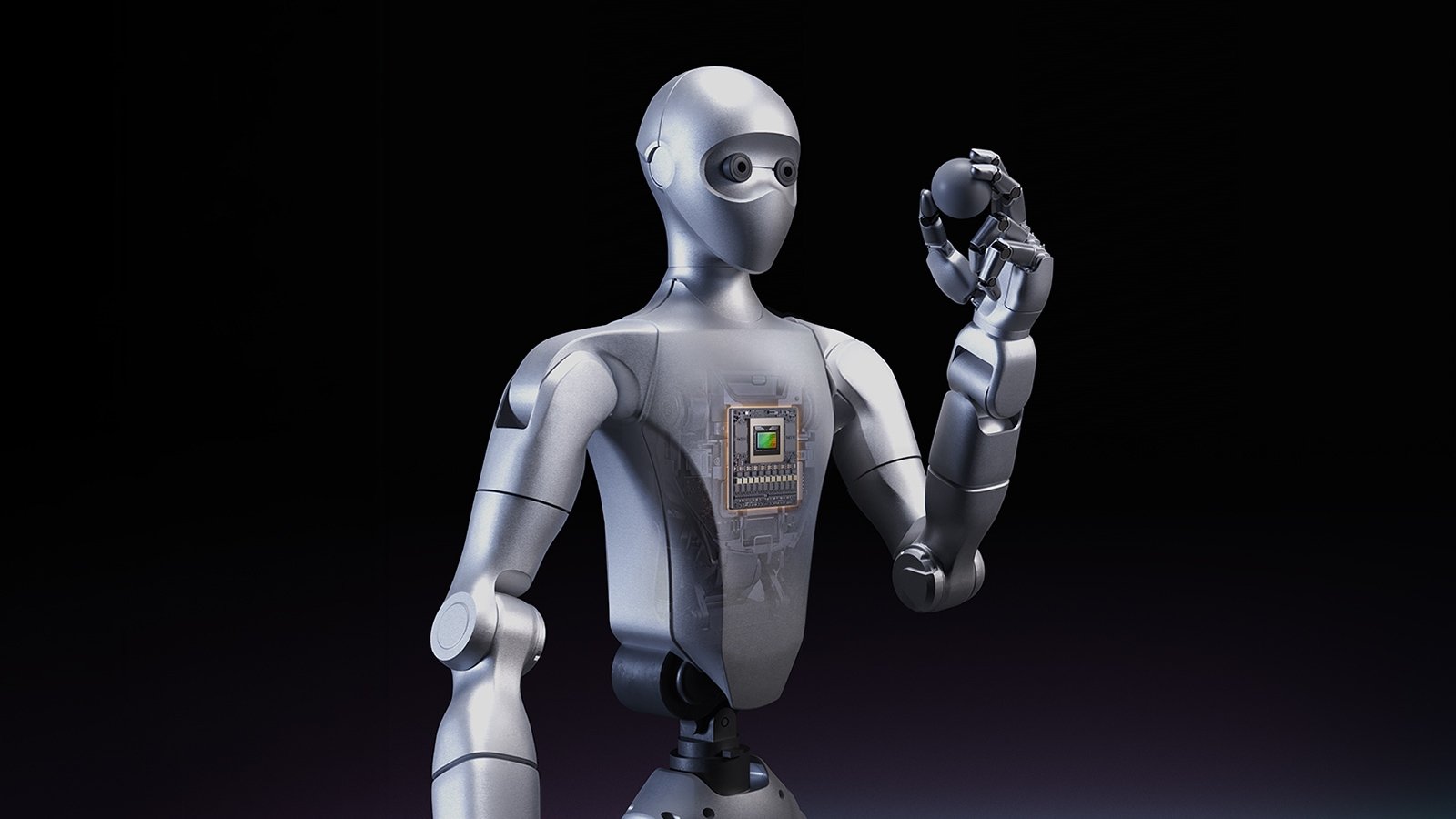
NVIDIA has announced the Isaac GR00T humanoid robot reference design, an academic research platform that combines a Unitree H2 Plus body, Sharpa five-finger hands, Jetson Thor onboard compute and the Isaac GR00T software stack. Unveiled at GTC Taipei in a May 31 company release, the system matters because it bundles hardware, data capture, simulation, training and deployment tools into one package for humanoid research. According to NVIDIA, the goal is to reduce the fragmented workflow that still slows many teams working on general-purpose humanoids.
What the Isaac GR00T humanoid robot includes
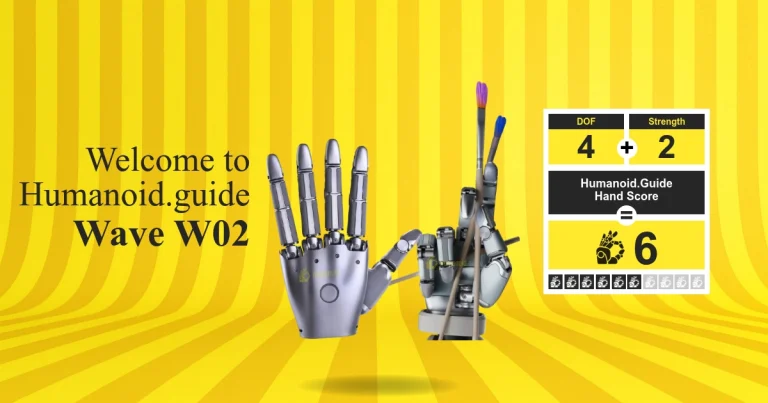
At the hardware level, the reference design centers on Unitree’s H2 Plus chassis. NVIDIA says the robot stands nearly 6 feet tall, weighs 150 pounds and has 31 degrees of freedom across the body. Dual Sharpa Wave tactile hands add 22 degrees of freedom, bringing the total to 75 and extending the platform from locomotion work into dexterous manipulation research.
The sensing package is aimed at full-body experiments rather than narrow teleoperation tests. The robot includes a head-mounted stereo camera with a 140 degree horizontal field of view and 102 degree vertical field of view, plus wrist cameras and an inertial measurement unit. NVIDIA also lists up to 120 Newton-meters of arm torque, 360 Newton-meters of leg torque, a rated arm payload of 7 kilograms and a peak payload of 15 kilograms.
NVIDIA pairs that body with Jetson AGX Thor T5000 onboard compute, which the company says delivers 2,070 FP4 teraflops of AI performance through a Blackwell GPU, along with a 14-core Arm CPU and 128GB of unified memory. Connectivity includes Ethernet, Wi-Fi 6, Bluetooth 5.2 and USB, plus microphones and speakers for voice interaction. A 15Ah battery rated at 0.972kWh is listed for about three hours of operation, and the system includes a remote emergency stop.
A full stack for humanoid development
The main strategic point of the announcement is not only the robot body but the surrounding software environment. According to NVIDIA’s news release, the Isaac GR00T platform spans Isaac Teleop for demonstration capture, GR00T open foundation models for reasoning and multitask behavior, Isaac Sim and Isaac Lab for training and evaluation, Isaac ROS for deployment, and Jetson Thor for onboard inference and control. NVIDIA says researchers retain control of robot data, training data, telemetry and logs, a detail likely aimed at labs that do not want to rely on closed development platforms.
NVIDIA also says the platform is modular, so teams can adopt the full workflow or integrate selected components into existing stacks. For labs evaluating an Isaac GR00T humanoid robot platform, that flexibility could matter as much as the hardware itself, since many universities already have their own simulation, teleoperation or policy pipelines. The company added that the same developer platform will support the Unitree G1, with a reference workflow for that robot expected soon on GitHub and Hugging Face.
Research uptake and what comes next
NVIDIA named Ai2, ETH Zurich, Stanford Robotics Center and UC San Diego’s Advanced Robotics and Controls Laboratory as planned users of the reference design, and said NVIDIA Research will also use it to advance Isaac GR00T models, frameworks and hardware. The early user list points to a research standardization push more than an immediate commercial deployment. If several leading labs work on a similar hardware and software base, it could become easier to compare manipulation and loco-manipulation results across institutions.
Availability is later than the software announcement. NVIDIA says the Isaac GR00T Reference Humanoid Robot will be available from Unitree in late 2026, while the Unitree G1 reference workflow is expected sooner. That places the near-term impact in shared development workflows, while the larger test will be whether researchers can turn a common platform into reproducible benchmarks and transferable behaviors on real humanoid hardware.
Source: nvidianews.nvidia.com