Xpeng Iron humanoid targets 2027 sales after internal trials
Xpeng plans to begin selling its Iron humanoid robot in the second half of 2027, after testing it in the company’s own stores and offices, vice chairman and president Brian Gu told Forbes Asia. Gu says mass production is scheduled for this year, placing the planned manufacturing start ahead of the commercial launch.
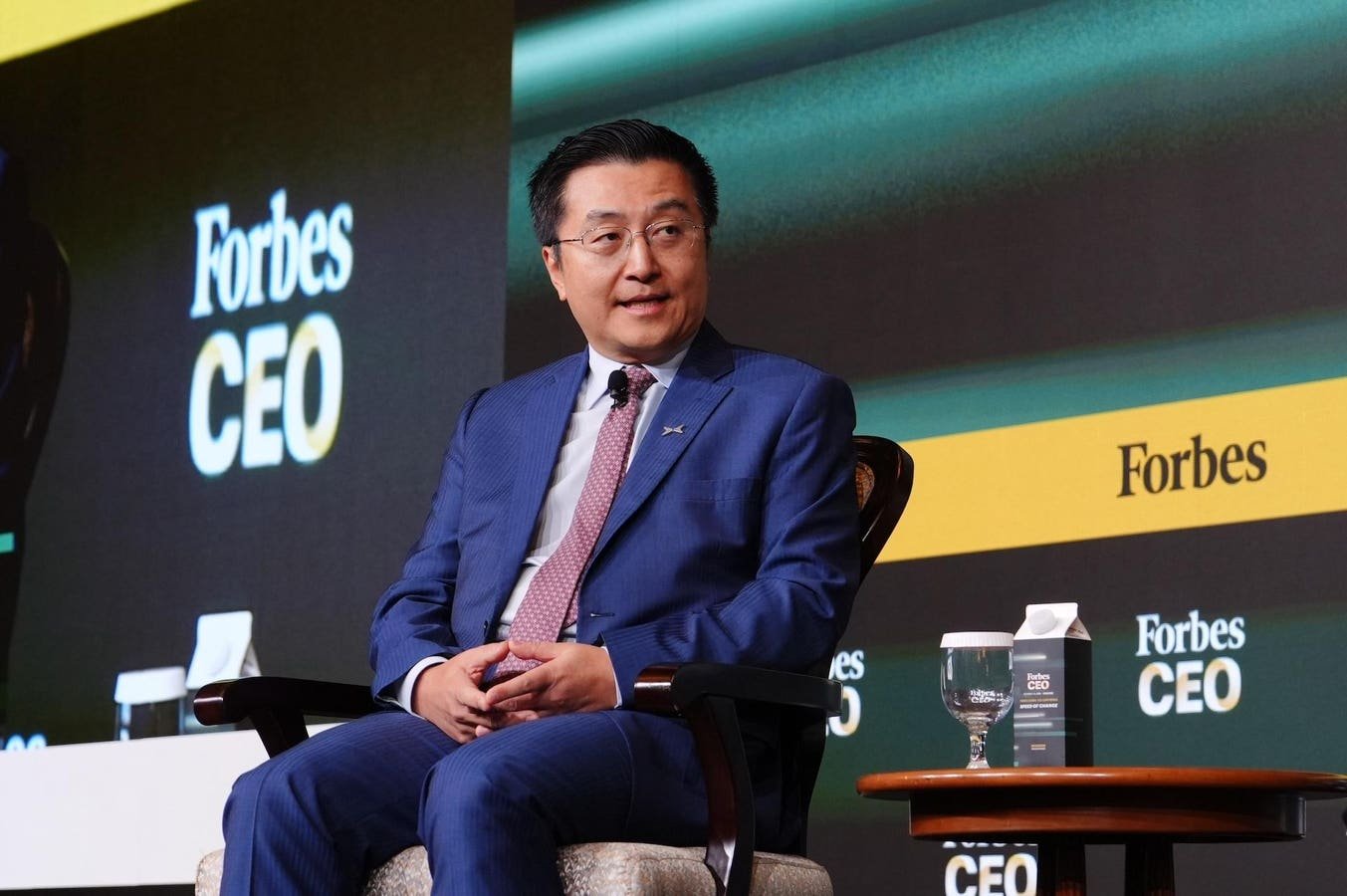
The initial roles are customer facing rather than factory assignments. Speaking on the sidelines of the Forbes Global CEO Conference in Singapore, held on October 7 to 8, Gu described robots assisting sales staff and greeting visitors at Xpeng’s Guangzhou headquarters.
“By early next year, you’ll see robots working alongside sales agents as assistants, or maybe when you visit our headquarters in Guangzhou, a robot receptionist will greet you,” Gu said. He describes Iron as a general purpose robot capable of interacting with people across a wide range of scenarios. The planned internal deployments would give Xpeng settings within its own business to test those interactions before offering the robot for sale.
In-house compute underpins Iron
The Xpeng Iron humanoid uses the company’s own Turing chip. Gu claims the latest version closely matches the performance of Nvidia’s Thor chip, which Forbes describes as being used primarily in autonomous vehicles and humanoids. That comparison is Gu’s characterization, rather than a benchmark result presented in the report.
Xpeng began developing its own semiconductors about six years ago, according to Gu. He said the Nvidia chips the company previously used in its vehicles did not fit well with its software stack. His stated rationale for developing proprietary silicon extends beyond performance: controlling costs, software compatibility and supply chain stability.
“If we want to be a leader in physical AI, we need to have our own physical core, so we can control the cost, control software compatibility and supply chain stability,” Gu said. According to Forbes, Xpeng is integrating Turing chips across its products, and some partners, including Volkswagen, also use them.
Gu says Xpeng entered robotics a decade ago and strengthened the effort in 2021 by acquiring a startup now called Dogotix. He points to manufacturing, supply chain and AI as areas of overlap between intelligent vehicles and humanoids. For Iron, the first planned assignments are sales assistance and reception inside Xpeng’s own operations.
Source: forbes.com