
Origin
55 000 USD

HIRO Industries
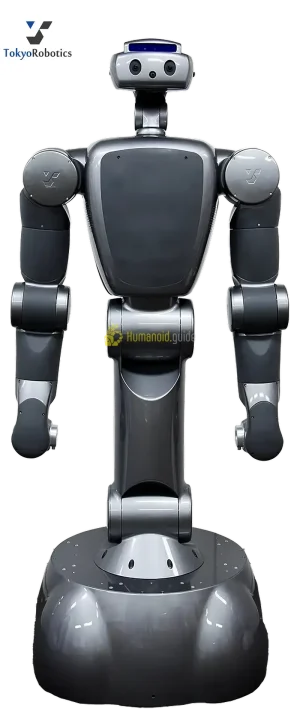
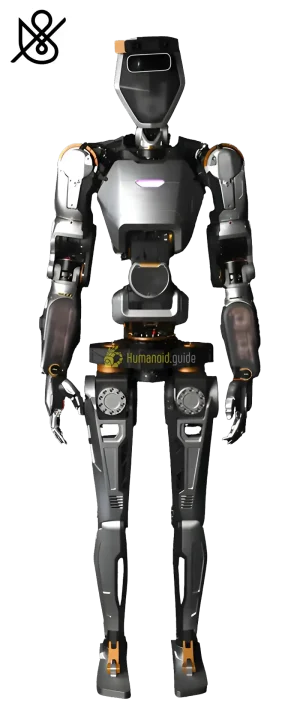
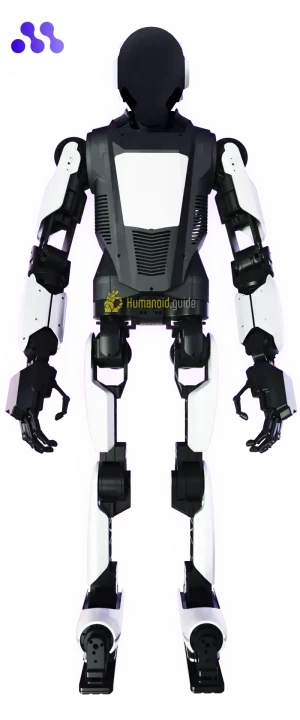
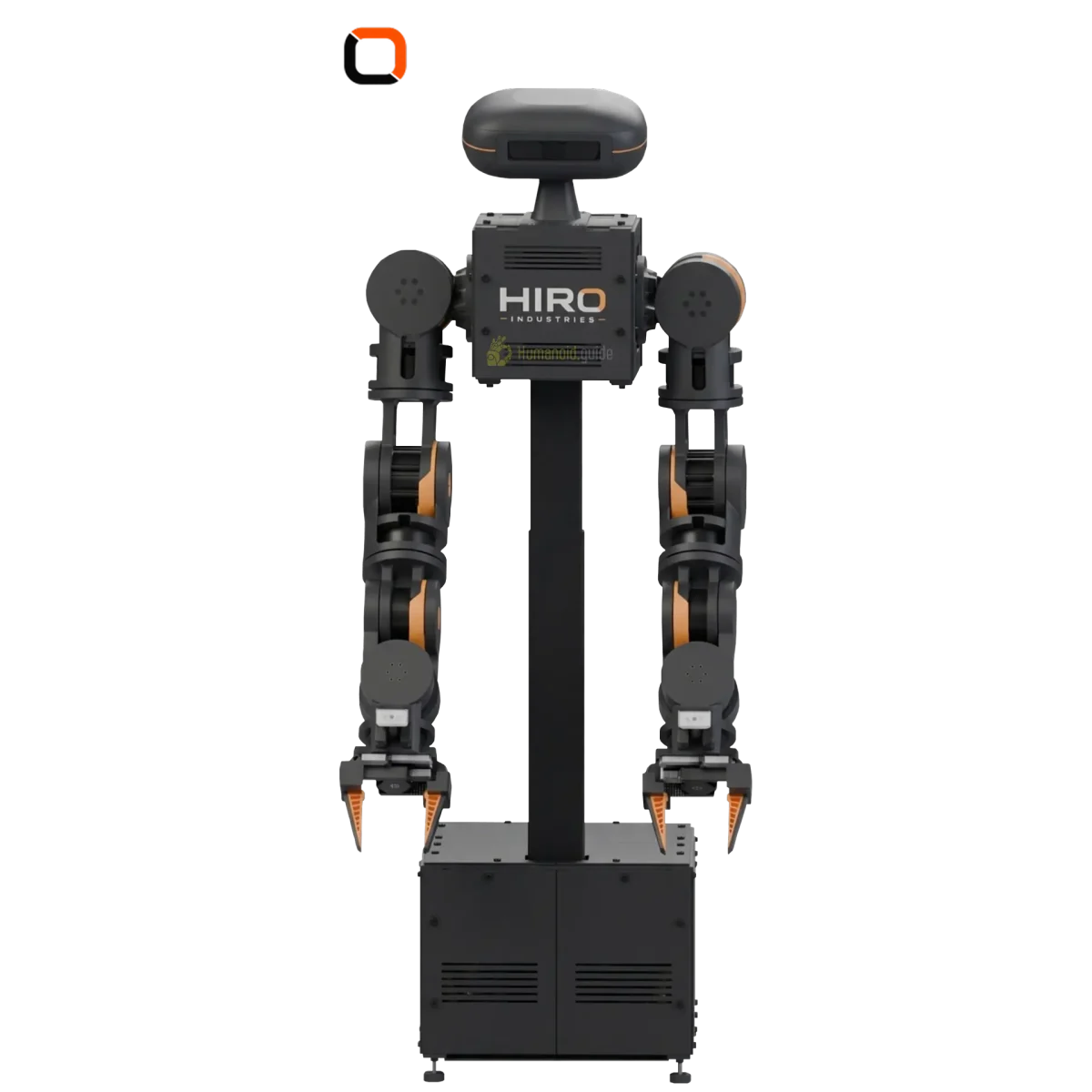
HIRO Industries is an Oregon-based startup building Origin, a stationary, two-armed robot designed to pack, kit and assemble goods at a human workstation.
Skill Score
 2
2

Specifications and details:
| Availability | Prototype |
|---|---|
| Nationality | US |
| Website | https://www.hiroindustries.com/ |
| Degrees of freedom, overall | 17 |
| Degrees of freedom, hands | 16 |
| Height [cm] | 160 |
| Strength [kg] | 5 |
| Weight [kg] | N/A |
| Runtime pr charge (hours) | N/A |
| Safe with humans | Yes |
| CPU/GPU | N/A |
| Ingress protection | N/A |
| Camera resolution | RGB: 1280×800 up to 60 fps; Depth: 1280×800 up to 30 fps, from 3 RGB-D cameras (one head-mounted, one on each wrist) |
| Connectivity | N/A |
| Operating system | N/A |
| LLM integration | N/A |
| Latency glass to action | N/A |
| Motor tech | N/A |
| Gear tech | N/A |
| Main structural material | N/A |
| Number of fingers | 2-finger gripping claws |
| Main market | light industrial, warehouse workstation tasks |
| Color | Black |
| Manufacturer | HIRO Industries |
Description
HIRO Industries is a robotics startup based in Corvallis, Oregon. Lex Roller and Ethan Marreel founded the company to bring useful robots within reach of more businesses. Roller brings a background in industrial automation and robot platforms, while Marreel’s work spans AI, machine learning and tactile robotics research at Oregon State University. Together, they built Origin, the company’s first robot.
Origin looks different from most robots called humanoid. It has no legs and does not walk. Instead, two arms sit on a fixed base, built to work at a single station the way a person would. This design choice is deliberate: HIRO Industries wants a robot that fits into existing workspaces without needing a factory built around it. As a result, Origin can share a workbench directly with human coworkers.
New! 2026 Humanoid
Robot Market Report
198 pages of exclusive insight from global robotics experts — uncover funding trends, technology challenges, leading manufacturers, supply chain shifts, and surveys and forecasts on future humanoid applications.

now Google DeepMind
The robot targets everyday physical work rather than flashy demonstrations. Packing, kitting and light assembly sit at the center of its intended use. Each arm carries its own camera, so Origin can see what its hands are doing from multiple angles at once. Compliant grippers with flexible fingers let it handle a range of parts without needing a different tool for every task. HIRO Industries follows a simple philosophy here: let the actual work define what the robot needs to do next, rather than chasing features nobody asked for.
I’m Olivia, Humanoid Analyst at Humanoid.Guide
My mission, together with the team, is to help your organization understand the landscape, compare solutions, and move toward successful robot deployments.
Today, Origin remains an early-stage platform rather than a finished product. HIRO Industries is looking for its first design partners, starting close to home in Oregon. The company frames this stage as a partnership: it wants to work closely with early customers, then expand capability once real results back it up. No price or shipping date has been announced yet. Even so, the pitch is straightforward. Physical work still runs the world, and HIRO Industries wants to make more of it possible.
Download the Humanoid Robot Market Report here
Website: hiroindustries.com