
Nadia
700 000 USD

IHMC (Florida Institute for Human and Machine Cognition)
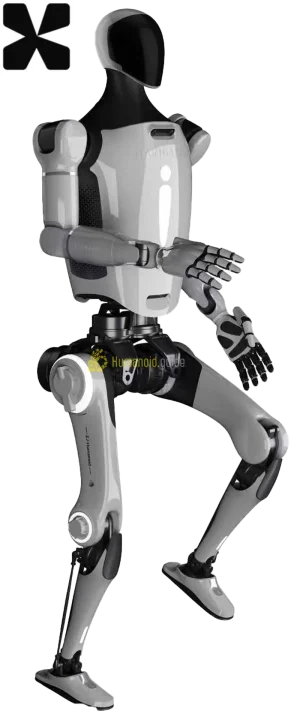
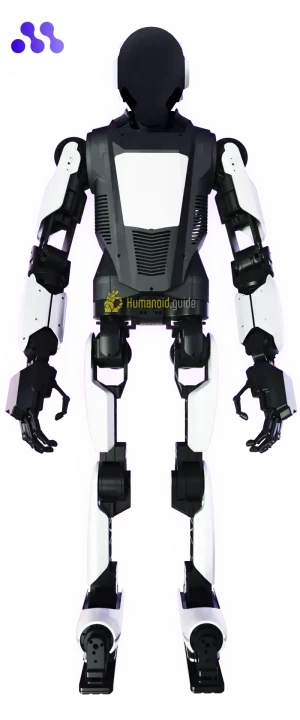
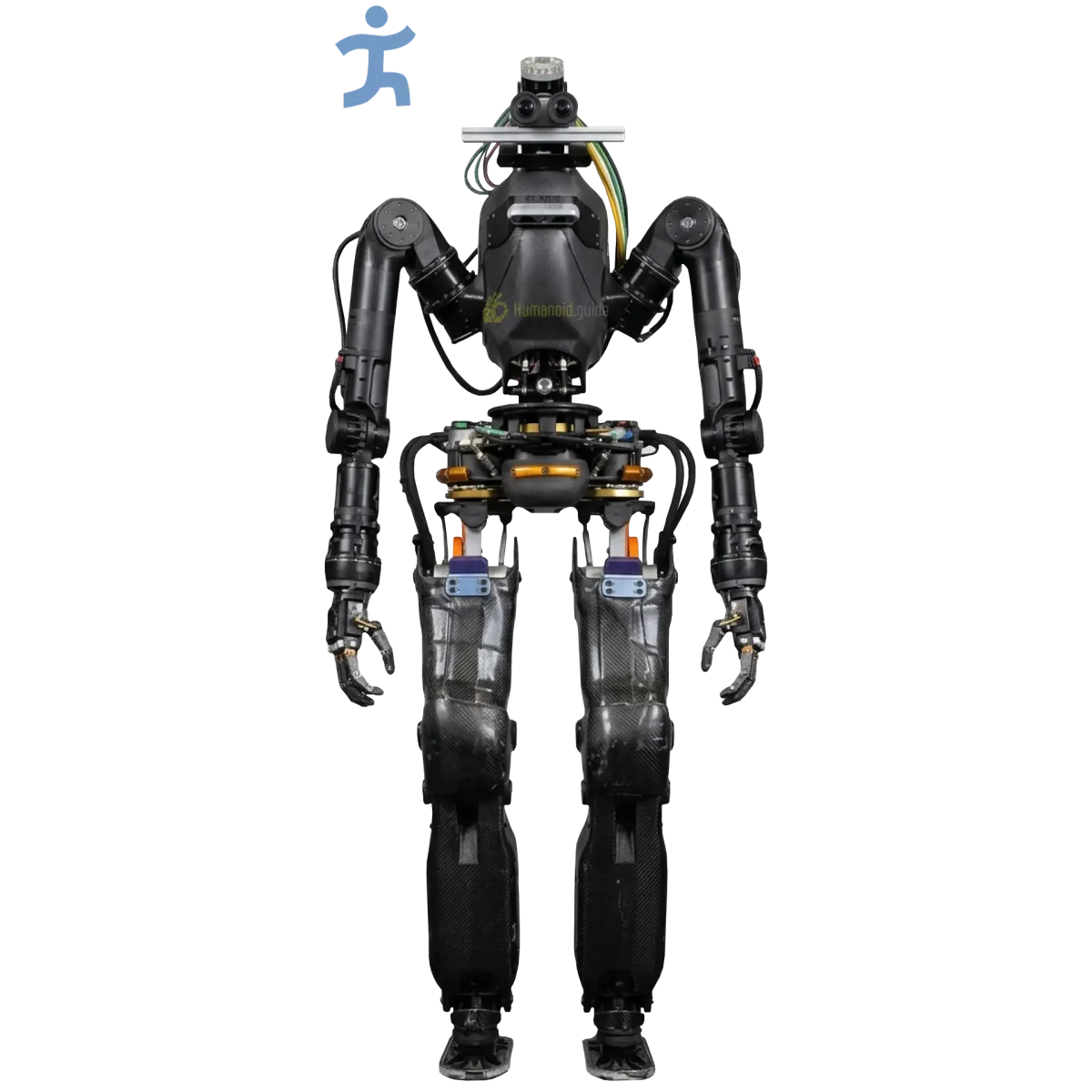
Nadia is IHMC’s hybrid hydraulic-electric biped research humanoid, built with Boardwalk Robotics. Named after gymnast Nadia Comăneci, it offers an exceptional range of motion for disaster response, firefighting and other dangerous indoor tasks.
Skill Score
 2
2

Specifications and details:
| Availability | Prototype |
|---|---|
| Nationality | US |
| Website | https://robots.ihmc.us/ |
| Degrees of freedom, overall | 29 |
| Degrees of freedom, hands | 2 |
| Height [cm] | 190 |
| Max speed (km/h) | 3.5 |
| Strength [kg] | 12 |
| Weight [kg] | 100 |
| Runtime pr charge (hours) | N/A |
| Safe with humans | No: a hydraulic research robot for hazardous environments / operates under supervision |
| CPU/GPU | N/A |
| Ingress protection | N/A |
| Camera resolution | N/A |
| Connectivity | CAN bus inside the actuators, EtherCAT, Tethered |
| Operating system | IHMC whole-body control software (in-house, open-source robotics software) |
| LLM integration | N/A |
| Latency glass to action | N/A |
| Motor tech | Hybrid: Moog hydraulic Integrated Smart Actuators (legs, spine) + electric motors (hip/spine yaw, arms) |
| Gear tech | Planetary drives (hip and spine yaw), cycloidal drives (arms) |
| Main structural material | Carbon fiber composite shell |
| Number of fingers | 2 per gripper |
| Main market | Defense, Disaster response, Research |
| Color | Black |
| Manufacturer | IHMC (Florida Institute for Human and Machine Cognition) |
Description
Nadia is a biped humanoid robot from IHMC, the Florida Institute for Human and Machine Cognition. IHMC developed it with Boardwalk Robotics and several other partners. The robot takes its name from the famous gymnast Nadia Comăneci. This name reflects its main goal: to match the range of motion of a human body. In fact, it had some of the widest joint movement of any humanoid when it launched.
IHMC designed Nadia for indoor and urban spaces full of stairs, ladders and debris. Such places demand human-like mobility and dexterity. For example, the team pictured it in firefighting, disaster response and bomb disposal. It could also help with nuclear clean-up and other risky jobs. The US Navy, the Army, NASA and other agencies backed the project.
New! 2026 Humanoid
Robot Market Report
198 pages of exclusive insight from global robotics experts — uncover funding trends, technology challenges, leading manufacturers, supply chain shifts, and surveys and forecasts on future humanoid applications.

now Google DeepMind
Nadia uses a hybrid system of hydraulic and electric actuators. Compact hydraulic units drive its legs and spine, while electric motors power its arms. In addition, a carbon fiber shell protects its body and keeps it light. As a result, Nadia combines strength, speed and a large range of motion. Moreover, its tough arms can survive hard impacts during contact tasks.
I’m Olivia, Humanoid Analyst at Humanoid.Guide
My mission, together with the team, is to help your organization understand the landscape, compare solutions, and move toward successful robot deployments.
Nadia became famous online for boxing and playing ping-pong. In these demos, operators often controlled it through virtual reality. It also withstood hard shoves on a treadmill and stepped over brick obstacles. Later, it learned to open and walk through many types of doors. Today, IHMC’s newer robot, Alex, carries Nadia’s lessons outdoors.
Download the Humanoid Robot Market Report here
Website: robots.ihmc.us