KAIST
150 000 USD

KAIST DRCD Lab
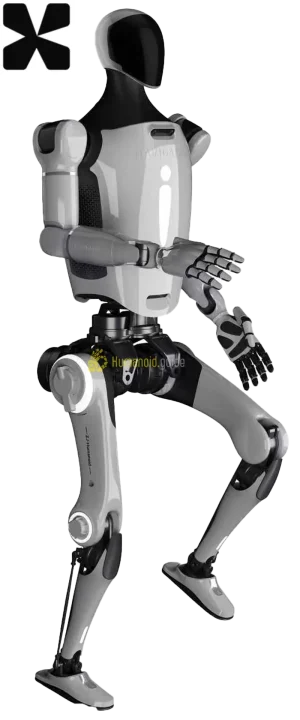
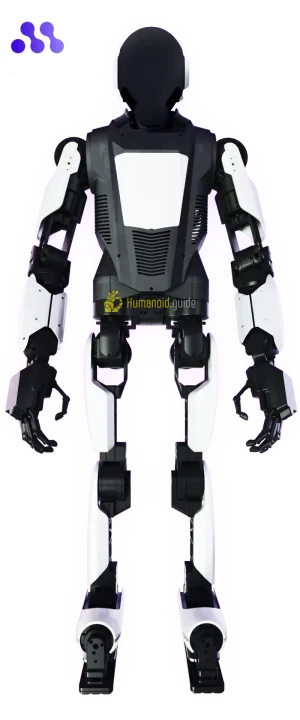
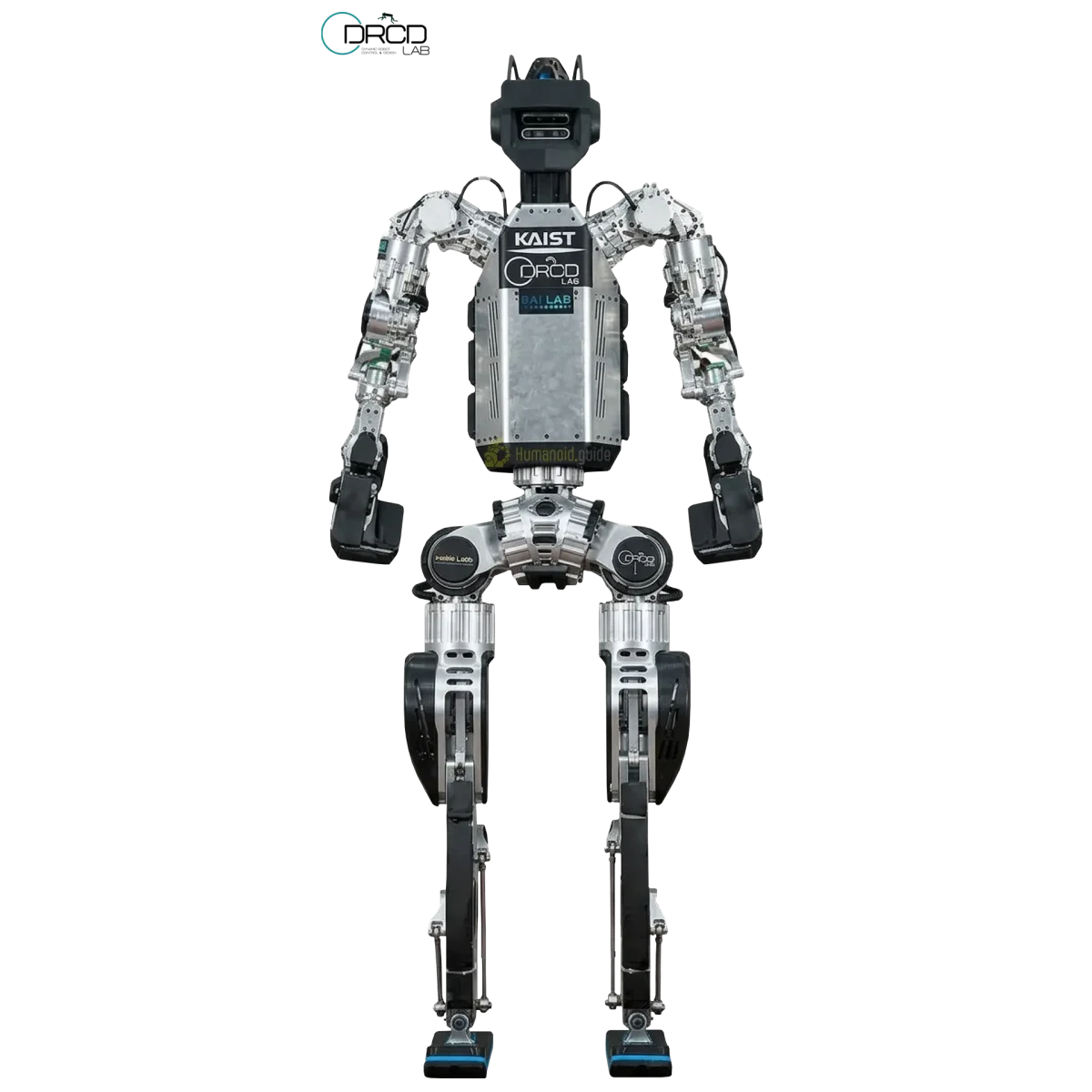
KAIST Humanoid v0.9 is a 165 cm, 75 kg bipedal humanoid from KAIST’s DRCD Lab, with arms by RAILAB. Using in-house quasi-direct-drive actuators, onboard vision and reinforcement learning, it runs at up to 12–13 km/h, pushes 35 kg objects and lifts loads of up to 20 kg.
Skill Score
 4


Specifications and details:
| Availability | Prototype |
|---|---|
| Nationality | South Korea |
| Website | https://www.dynamicrobot.kaist.ac.kr/ |
| Degrees of freedom, overall | 25 |
| Degrees of freedom, hands | 0 |
| Height [cm] | 165 |
| Max speed (km/h) | 12 |
| Strength [kg] | 20 |
| Weight [kg] | 75 |
| Runtime pr charge (hours) | N/A |
| Safe with humans | N/A |
| CPU/GPU | N/A |
| Ingress protection | N/A |
| Camera resolution | N/A |
| Connectivity | N/A |
| Operating system | N/A |
| LLM integration | RL-based AI controller / Vision-based manipulation AI in development |
| Latency glass to action | N/A |
| Motor tech | In-house quasi-direct-drive (QDD) motors and motor drivers |
| Gear tech | Custom 3K compound planetary gearbox |
| Main structural material | N/A |
| Number of fingers | 0 |
| Main market | Research |
| Walking Speed [km/h] | 4 |
| Color | Silver |
| Shipping Size | N/A |
| Manufacturer | KAIST DRCD Lab |
Description
KAIST Humanoid v0.9 is a full-size bipedal humanoid from the Dynamic Robot Control & Design Lab (DRCD Lab) at KAIST, South Korea’s leading science and engineering university. Professor Hae-Won Park leads the team. The robot stands 165 cm tall and weighs about 75 kg, close to an adult’s build. It follows v0.7, which KAIST revealed in March 2026. Notably, the team designed nearly every core part in-house, from motors to gearboxes and motor drivers.
Speed and balance remain its foundation. For example, the platform runs at up to about 12–13 km/h and climbs steps taller than 30 cm. It can keep running while carrying 20 kg. In addition, it walks over uneven ground using only its sense of its own body, without relying on cameras. As a result, it moves confidently even where vision fails.
New! 2026 Humanoid
Robot Market Report
198 pages of exclusive insight from global robotics experts — uncover funding trends, technology challenges, leading manufacturers, supply chain shifts, and surveys and forecasts on future humanoid applications.

now Google DeepMind
Version 0.9 adds strong arms and whole-body manipulation. KAIST’s RAILAB developed the arms, and the robot now uses onboard vision to guide its hands. In a recent demo, it pushed objects weighing up to 35 kg and lifted objects up to 20 kg. It even arranged large letters to spell out “KAIST.” Moreover, it learned these skills through deep reinforcement learning combined with human demonstrations.
I’m Olivia, Humanoid Analyst at Humanoid.Guide
My mission, together with the team, is to help your organization understand the landscape, compare solutions, and move toward successful robot deployments.
KAIST continues to build toward a complete working humanoid. Partner teams are adding MIT-designed hands, navigation and smarter vision-based manipulation. Earlier versions already showed off sprinting, kicking a soccer ball and a self-learned moonwalk. At a parliamentary audit on October 20, 2026, a KAIST humanoid also walked into the hall and stayed upright when pushed. In short, it shows how Korea is building its own high-performance humanoid technology from the ground up.
Download the Humanoid Robot Market Report here
Website: https://www.dynamicrobot.kaist.ac.kr/