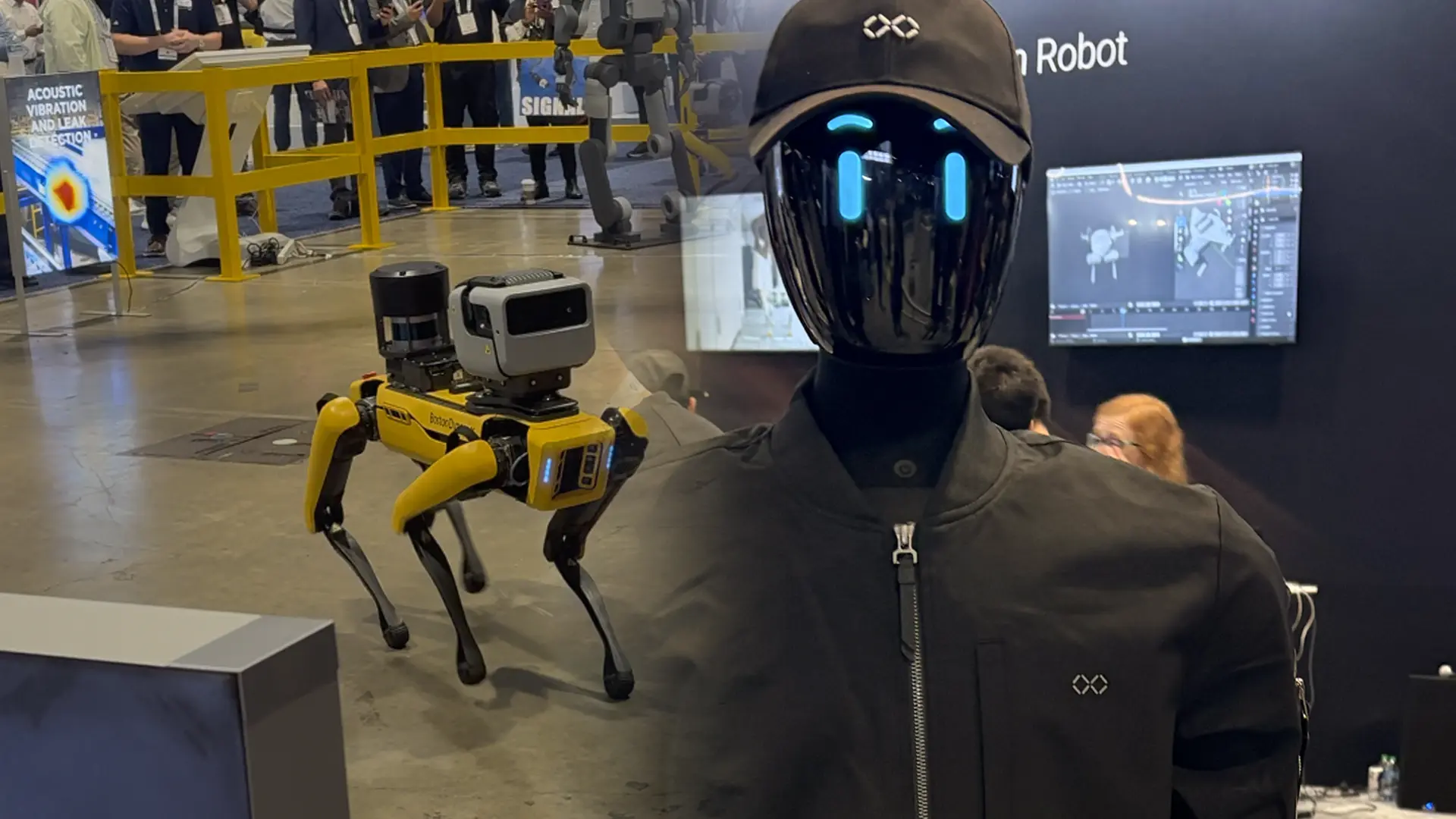
The Automate 2026 Floor
three days on the Chicago show floor, from humanoid.guide
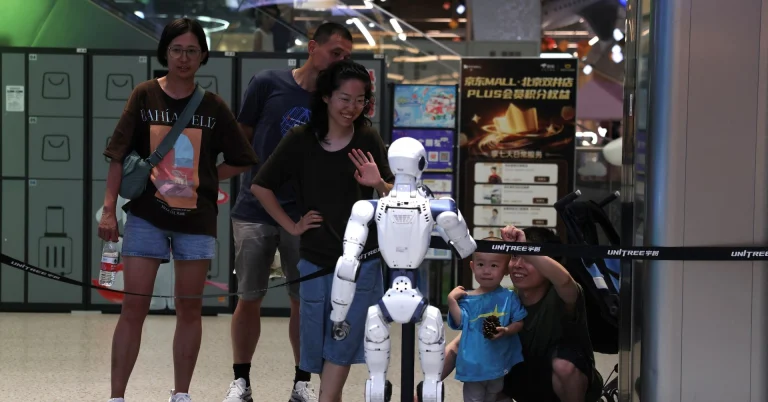
At Automate 2026, humanoid robots were no longer a sideshow. McCormick Place hosted the largest edition in the event’s 50-year history, and for the first time the robots had a hall of their own. We spent three days on the show floor – here’s what we saw.
A quick walk through Automate 2026.
The mood on the floor
The numbers set the scale: more than 50,000 attendees, over 1,000 exhibitors, and 450,000 square feet of automation packed into McCormick Place from June 22–25. But scale was not the story. The story was that the question in the aisles had changed. Almost nobody was asking whether humanoids will work. They were asking how fast factories can absorb them now that a handful already clock real shifts.
A pavilion of their own
The clearest signal was structural. For the first time at Automate, humanoids had a dedicated Humanoid Robot Pavilion, sponsored by NVIDIA, with more than 20 platforms from around the world demonstrating side by side and a theater stage running presentations all week. One level up, the third annual Humanoid Robot Forum dug into the harder questions:
- Safety frameworks and certification for fenceless operation around people.
- Commercial models – outright purchase versus robotics-as-a-service.
- Workforce integration: reskilling, redesigned workflows, and earning worker trust.
New to all this? Our plain-English explainer on what a humanoid robot actually is is a good place to start.
Physical AI was the phrase on every banner
If one idea tied the keynotes together, it was physical AI: teaching robots through demonstration rather than line-by-line programming. NVIDIA’s stack has quietly become the training layer beneath much of the field, and the show floor is where that consolidation became visible. It is the same shift we map in our Humanoid World Models report – the move from vision-language-action models toward predictive world models that let a robot imagine the consequences of an action before it takes it.
Production, not promises
What made this year feel different is that the demos now come with receipts. Figure AI’s BotQ line crossed roughly one Figure 03 per hour. Boston Dynamics began shipping its electric Atlas. Agility’s Digit is working commercial shifts at a Toyota plant in Ontario. And the Chinese players were impossible to ignore, with full-size platforms like XPENG’s Iron drawing steady crowds.
The part everyone in the pavilion kept circling back to, though, was the hands. Dexterous, durable manipulation is still the gate between an impressive demo and useful work, which is exactly why we keep a running comparison of 70+ robot hands.
Voices from the booths
We grabbed a few minutes with exhibitors between demos. Short, candid, and straight from the floor.
The full picture behind the floor
Funding, supply chain, leading manufacturers and forecasts – mapped in depth.
Read the 2026 Market Report