Altus Tests Ameca Humanoid Robots in San Diego School Pilot
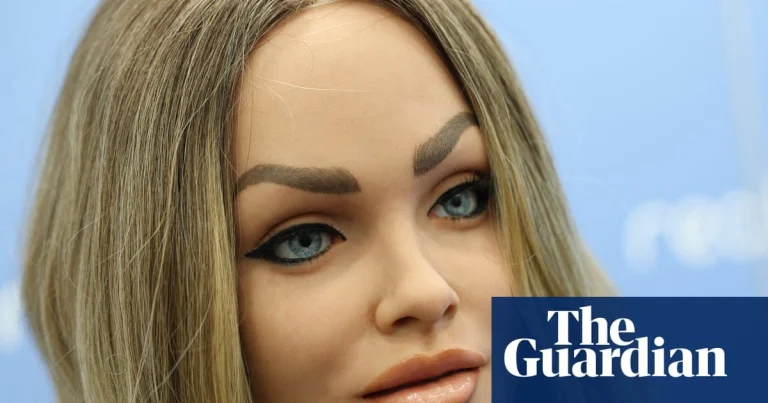
Altus Schools has put two Ameca humanoid robots into its San Diego charter school resource centers after spending $500,000 on the pair, according to Voice of San Diego. The robots, designed by Engineered Arts and connected to ChatGPT, are part of an open ended pilot to test whether a physical AI system can support teaching and student engagement.
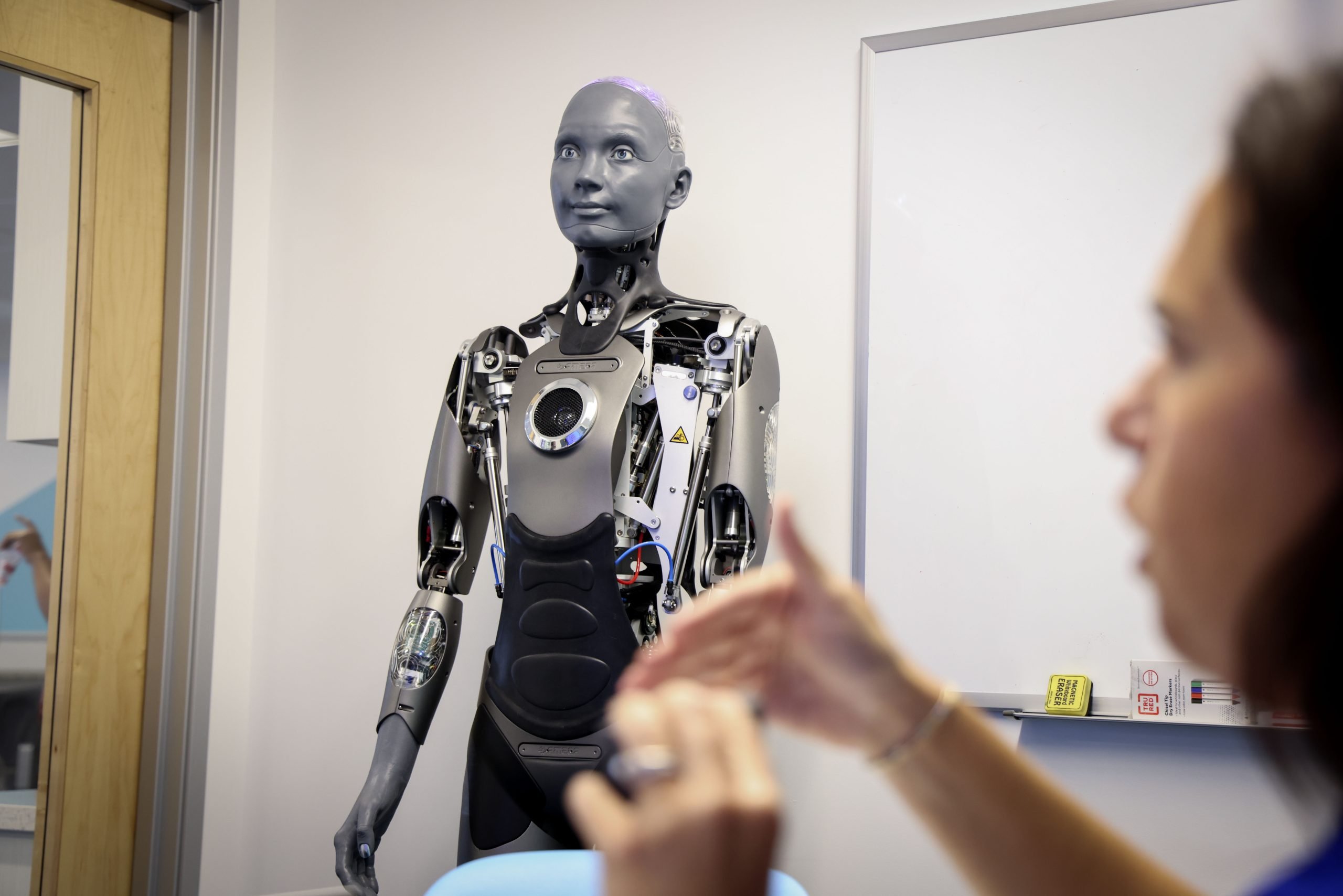
The Ameca school pilot is unusually concrete for education robotics. The robot is described as 6 foot 2 inches tall, with a silicone face, visible upper body motors and expressive facial movements. Altus officials say the machines are not intended to replace teachers, but to explore new ways to engage students in resource centers where the charter chain already offers one on one instruction.
Cathryn Rambo, Altus’ dean of academic studies, told families the school was researching “the use of physical AI as a teaching partner.” Altus serves a student population that includes low income students, homeless students and students with disabilities, and Rambo framed exposure to advanced technology as part of the value of the purchase.
What the robot is doing in class
During a lesson observed by Voice of San Diego, two middle school students asked Ameca to respond as Nikola Tesla while they learned about inventors tied to technologies used in modern drones. The interaction did not resemble a polished tutoring demo. The robot interrupted a student, paused after interruptions, spoke too quickly and had to repeat its Tesla introduction three additional times while the students took notes.
Rambo later called the lesson “clunky” and said it was the first time she had tried that particular activity. Altus hopes to see statistically meaningful educational gains, including higher standardized test scores, but officials said they do not yet have hard performance data and have set no deadline for the pilot’s conclusion.
Student reaction is also mixed. Before and after sessions, Altus asks students for three words to describe the robot. Rambo said “creepy” is the most common word students offer, although some stop using that description after interacting with Ameca.
Governance questions around a humanoid chatbot
The source article raises a sharper question for robotics operators than whether students find the robot novel: what does the humanoid body add when the reported classroom function is largely conversational? No physical teaching task, lab manipulation or assistive classroom action is described. The visible embodiment appears to be central to the experience, but the evidence presented so far is about attention, discomfort, prompting and classroom management.
Altus has configured Ameca around four personas: Sage the Teacher, Remi the wellness coach, Ari the college and career planner, and Lexi the translator. Rambo said students are not left alone with the robots, the systems do not record data and memory is erased after each interaction.
Engineered Arts also placed limits on impersonation features, according to the article. At Altus’ request, engineers altered instructions so the robot could impersonate some “gray areas,” including Tupac and former President Bill Clinton, while keeping other figures off limits. The reported examples show the system giving sanitized or cautious answers when prompted in those personas.
Researchers quoted by Voice of San Diego were highly skeptical of the educational case. Wayne Holmes of University College London said there is “no independent evidence at scale” that such tools are effective or safe in classrooms. Neil Selwyn of Monash University argued that AI systems often add work for teachers through troubleshooting, correction and prompting, and he was especially dismissive of the value of the physical humanoid form.
For humanoid robotics, the Altus deployment is less a capability breakthrough than a live test of human robot interaction in a sensitive setting. The reported evidence so far supports caution: the robot can hold role based conversations, but the classroom value, safety boundaries and cost justification remain unproven.
Source: voiceofsandiego.org